

India is one of the few civilizations in the world where the Sun has been worshipped continuously for over 4,000 years. Known as Surya, the solar deity is revered as the source of life, health, vitality, time, and cosmic order. Unlike other deities who are represented symbolically, the Sun is worshipped as a visible god, rising every day as a reminder of rhythm, discipline, and renewal.
As 2026 is being popularly referred to as the “Year of the Sun”, it offers the perfect cultural moment to rediscover India’s rare and powerful Sun temples - shrines where astronomy, architecture, spirituality, and ritual merge seamlessly. These temples are not just religious sites; they are ancient solar observatories, masterpieces of engineering, and living centres of devotion.
Here are six of the most powerful Sun temples in India, each unique in its history, ritual practice, and spiritual significance.
Konark Sun Temple - Odisha
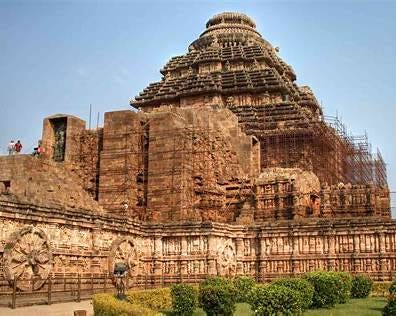
The Konark Sun Temple is the crown jewel of Sun worship in India and one of the greatest monuments ever built in stone. Constructed in the 13th century by King Narasimhadeva I of the Eastern Ganga dynasty, the temple was conceived as Surya’s colossal celestial chariot.
Architecture & symbolism
Designed as a gigantic stone chariot with 24 intricately carved wheels and seven horses, symbolising the seven days of the week and the passage of time.
Each wheel is carved with precise spokes, often interpreted as sundials, reflecting India’s advanced understanding of astronomy.
The entire structure was aligned to capture the first rays of the rising sun.
Spiritual & cultural significance
Although the sanctum is no longer active for daily worship, Konark remains deeply sacred. The temple is associated with solar healing, royal patronage, and cosmic balance. Nearby rituals and fairs, especially along the Chandrabhaga coast, continue the Surya tradition.
Why visit in 2026
Konark is not merely a temple - it is a solar monument to time itself. Sunrise and sunset here are transformative, making it a once-in-a-lifetime experience.
Modhera Sun Temple - Gujarat
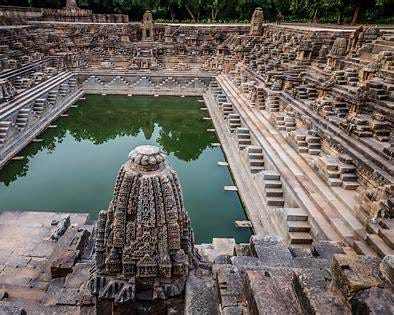
Built in 1026 CE by King Bhima I of the Solanki dynasty, the Modhera Sun Temple stands on the banks of the Pushpavati River and represents the pinnacle of western Indian temple architecture.
Temple layout & solar intent
The complex consists of:
Gudhamandapa (sanctum) – once housing the Surya idol
Sabhamandapa (assembly hall) – exquisitely carved pillars and ceilings
Surya Kund – a monumental stepped tank surrounded by dozens of miniature shrines
The temple is east-facing, and its design reflects a deep awareness of solar cycles, seasons, and light.
Ritual & cultural life
Though no longer an active daily worship temple, Modhera comes alive during:
Uttarayan (January) when classical dance and music festivals celebrate solar transitions.
Seasonal gatherings tied to agriculture and solar calendars.
Why visit in 2026
Modhera is where art, geometry, water, and sunlight converge. It is among India’s most photogenic and intellectually fascinating Sun temples.
Arasavalli Sun Temple - Andhra Pradesh
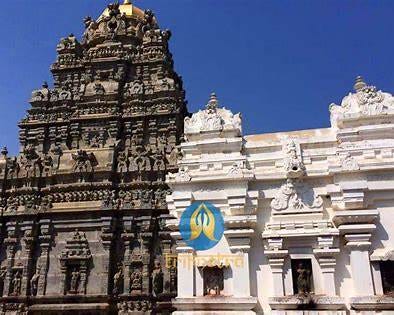
Located near Srikakulam, the Arasavalli Sun Temple is one of the oldest continuously active Sun temples in India, dating back to around the 7th century CE.
Unique solar phenomenon
Twice every year, around the periods of Uttarayana and Dakshinayana, the morning sun’s rays pass through the temple entrance and fall directly on the feet of the Surya idol - a rare alignment that draws thousands of devotees.
Rituals & festivals
Ratha Saptami is the most important festival here, symbolising Surya’s journey across the heavens.
Special abhishekams, processions, and sunrise prayers mark this day.
Daily rituals are strictly timed with solar movements.
Why visit in 2026
Arasavalli offers a rare chance to witness living solar worship, where astronomy is not history but an ongoing ritual reality.
Suryanar Kovil - Tamil Nadu
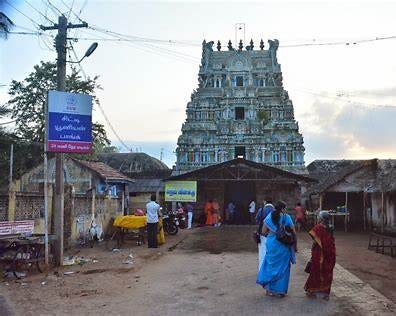
Nestled near Kumbakonam, Suryanar Kovil is one of India’s most important Navagraha temples, with Surya as the presiding deity.
What makes it unique
Unlike other Navagraha temples, all nine planetary deities are housed within one complex.
Rooted in Chola-era architecture (11th century), the temple reflects classical Dravidian design.
Ritual discipline
The temple follows a rigorous schedule of six daily pujas, including:
Abhishekam (ritual bathing)
Alangaram (decoration)
Naivedyam (food offerings)
Deepa aradanai (lamp worship)
Devotees believe prayers here help reduce planetary afflictions, especially those related to health, vitality, and career.
Why visit in 2026
For those interested in astrology, planetary worship, and disciplined ritual tradition, Suryanar Kovil is unmatched.
Biranchi Narayan Sun Temple - Buguda, Odisha
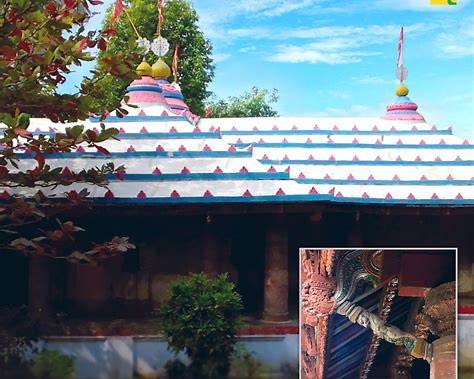
Often called the “Wooden Konark”, the Biranchi Narayan Sun Temple in Buguda is Odisha’s second most important Surya shrine.
Architectural distinction
Built with 46 intricately carved wooden pillars, unlike most stone Sun temples.
Uniquely west-facing, allowing the setting sun to illuminate the deity’s feet—an uncommon solar orientation.
Rituals & festivals
Ratha Saptami
Samba Dashami
Sankranti observances tied to solar transitions
The temple reflects a blend of tribal, folk, and classical Odishan traditions.
Why visit in 2026
This temple is a rare example of wooden solar architecture, offering a softer, more intimate Surya experience.
Surya Temple - Ranchi, Jharkhand
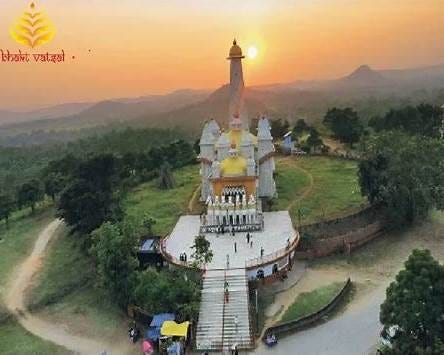
Perched on a hill near Bundu, the Surya Temple of Ranchi is a modern yet deeply symbolic shrine built in the early 1990s.
Design & setting
Shaped as Surya’s chariot with 18 wheels and seven horses
Surrounded by hills and a sacred water body used during rituals
Festival importance
The temple becomes a major centre during Chhath Puja, when devotees worship the rising and setting Sun through water offerings, fasting, and hymns.
Why visit in 2026
Ranchi’s Surya Temple shows how Sun worship continues to evolve, remaining socially relevant and spiritually vibrant even today.
Why 2026 Is the Perfect Year to Follow the Sun
Sun temples are not just about devotion -they represent:
Ancient astronomical knowledge
Sustainable temple-town planning
Solar calendars tied to agriculture
Healing, discipline, and balance
In 2026, following the path of the Sun across India means reconnecting with a civilization that understood time not as a clock -but as light in motion.