

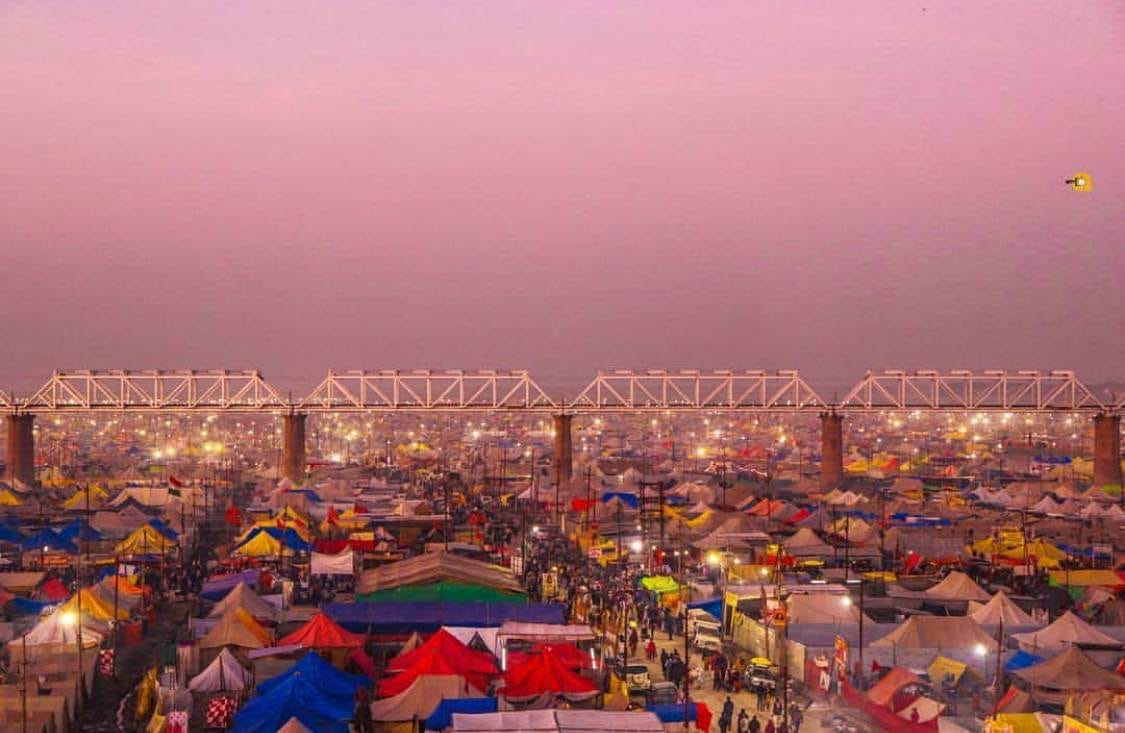
Every winter, when the wheat is green in the fields of Uttar Pradesh and the mornings on the Ganga turn cold and misty, a city of tents rises on the floodplain where the Ganga and the Yamuna meet at Prayagraj. This is the Magh Mela, the annual gathering at the Triveni Sangam. And at its heart are the kalpvasis: ordinary householders who leave home for a full month to live on the sand, bathe at dawn in the cold river, eat one simple meal a day, and give the whole of themselves to prayer.
Kalpvas is among the oldest continuous practices of the Prayag tradition. The word joins kalpa, a sacred span of time, and vas, dwelling: to dwell for a sacred span. The texts of the Prayaga Mahatmya praise Magha snan, bathing through the month of Magh, as the finest of austerities, and for centuries families have returned winter after winter to keep it where the two rivers meet the unseen Saraswati.
In 2027 the Magh Mela runs from 15 January to 6 March, and kalpvas from 22 January to 20 February. This guide explains what kalpvas actually involves, the dates that frame the month, how the tent city works, and what to plan if you are thinking of keeping it, or even of spending a few days at the mela to understand it.
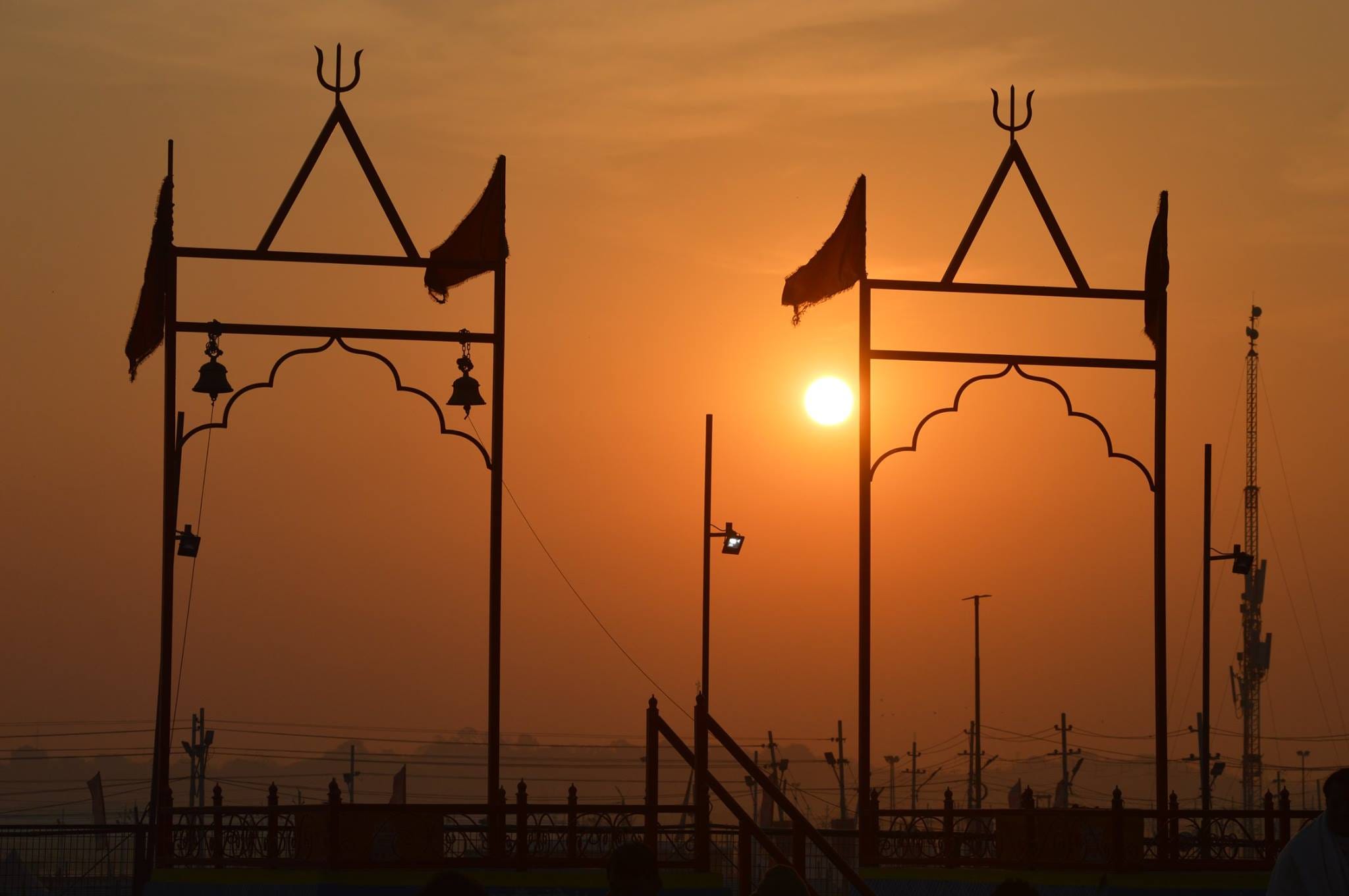

What is kalpvas
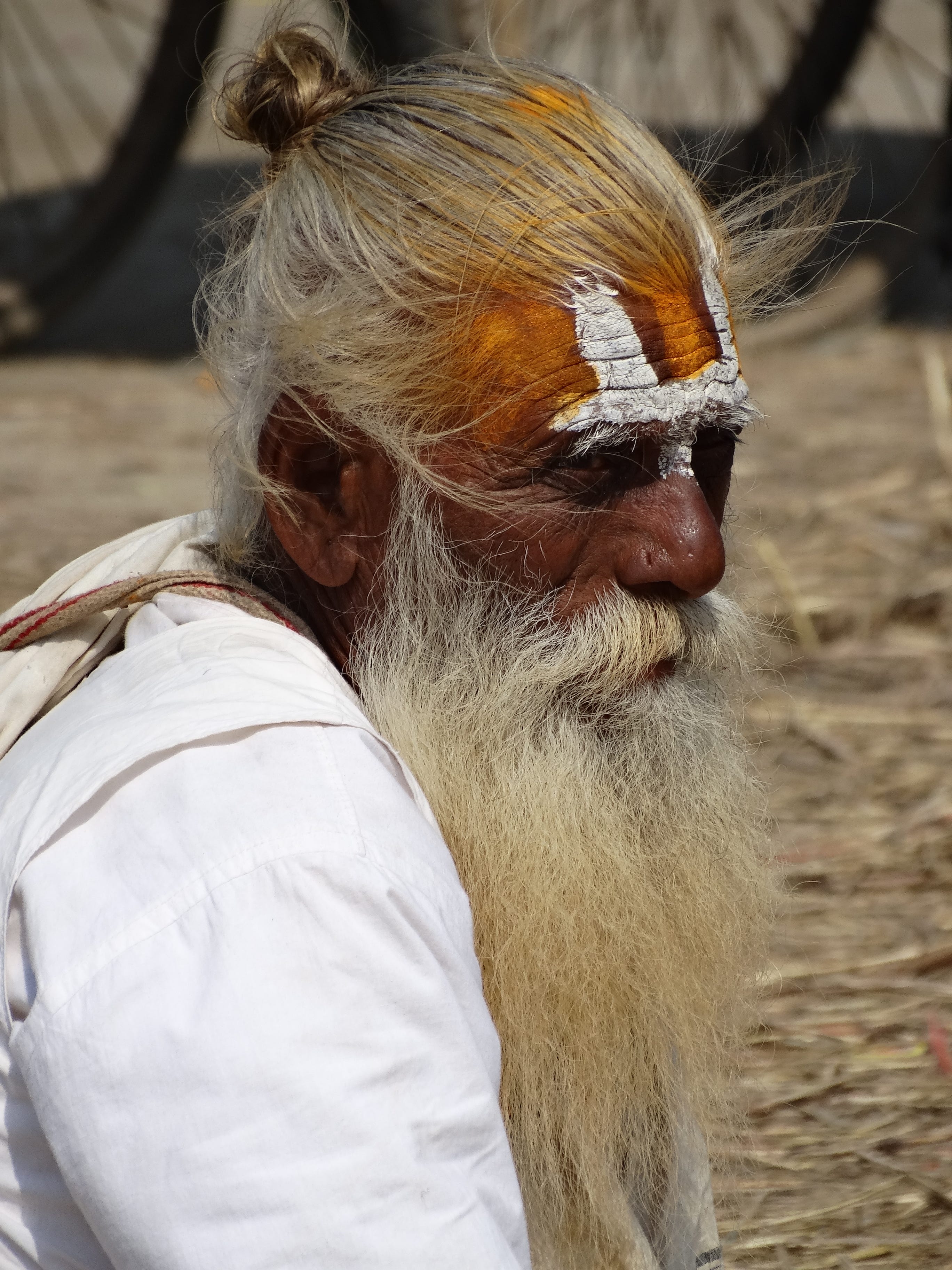
A kalpvasi is not a sadhu. He or she is a farmer, a teacher, a retired clerk, a grandmother, very often a couple keeping the month together. What they take on is a vow, commonly kept with variations from family to family and camp to camp, and its broad shape is this: for one lunar month, from Paush Purnima to Maghi Purnima, you live on the mela ground in a tent, bathe at the Sangam before sunrise every day, eat once, sleep on the ground or on a simple bed, keep celibacy, speak gently, and spend the day in prayer, satsang and daan.
The discipline has a logic to it. The cold dawn bath steadies the body. One meal a day, taken after the bath and the morning's prayers, quiets the appetite. Sleeping simply, away from the furniture of home, reminds you that you are a guest on the sand. And the satsang fills the freed hours: katha, kirtan and discourses run in camps across the mela from morning to night, and a kalpvasi may sit under a different pandal every day and still not hear them all.
Many kalpvasis do not come only once. Tradition holds the practice in special esteem when it is kept for twelve consecutive years, and the mela ground is full of elderly men and women counting their tenth or eleventh winter. There are families whose kalpvas is older than the road that brought them.
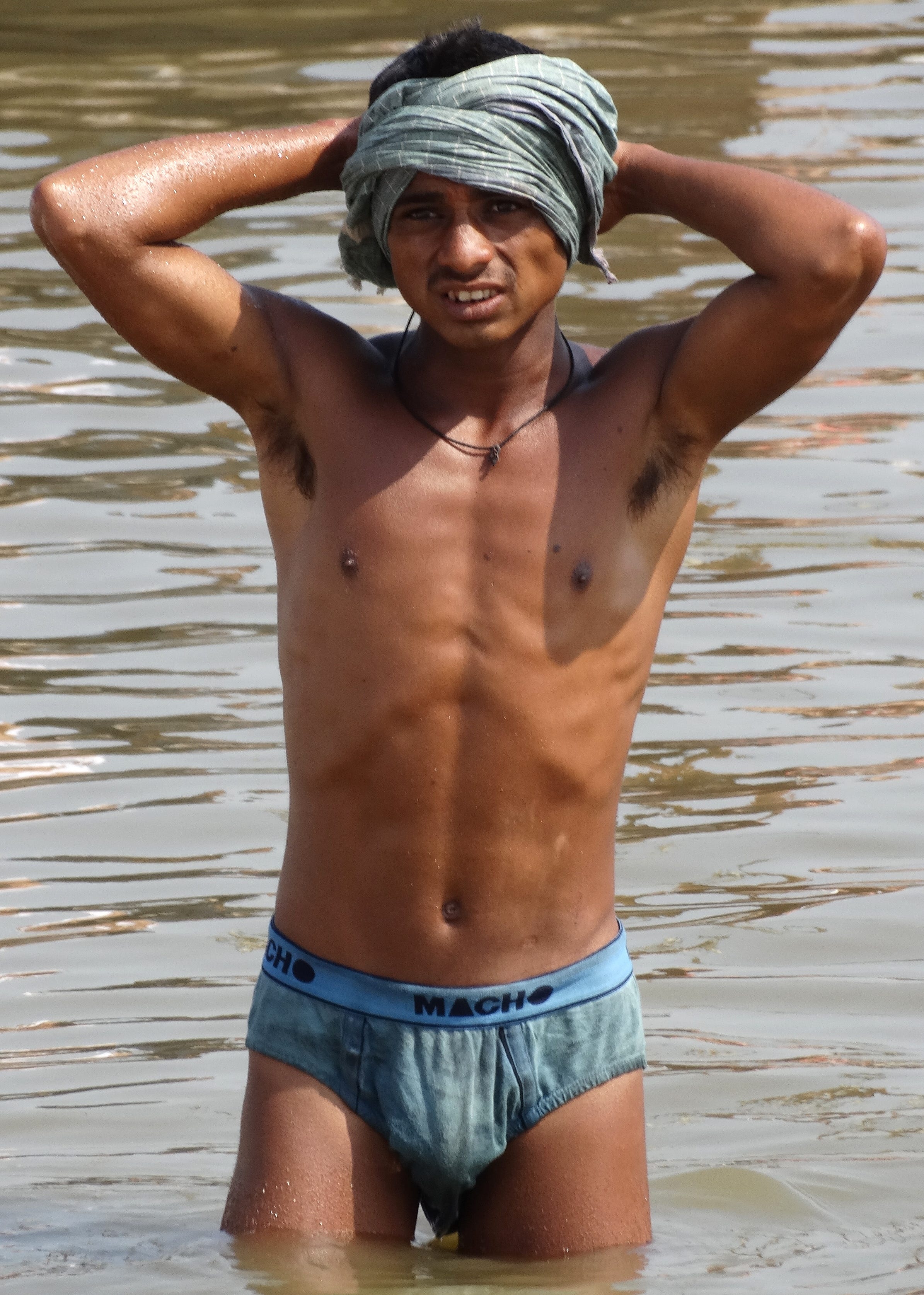

Magh Mela 2027: the dates that frame the month
The Prayagraj Mela Authority's schedule gives the mela a span of 51 days in 2027, from Makar Sankranti to Mahashivratri. Kalpvas itself runs one lunar month inside it, from the full moon of Paush to the full moon of Magh.
Makar Sankranti, Friday 15 January. The mela opens. The Sun enters Makara and begins Uttarayan, its northward course, and the first great bath of the season is taken. Kalpvas has not yet begun, but the tent city is already filling.
Paush Purnima, Friday 22 January. The full moon on which kalpvas begins. Kalpvasis take their vow, bathe, and settle into the month. If you plan to keep kalpvas, plan to be on the ground a day or two before this, with your camp already arranged.
Mauni Amavasya, Saturday 6 February. The new moon of Magh and the principal bathing day of the entire mela, traditionally the largest gathering of the season. Maun means silence: sadhus, saints and many kalpvasis keep a vow of silence through the day. In 2027 it falls on a Saturday, so it is also Shani Amavasya, which many devotees observe with special daan.
Basant Panchami, Thursday 11 February. The day of Saraswati and the first breath of spring. A snan day at the Sangam, and a cheerful one: yellow appears in clothes, in marigolds, in the sweet rice cooked in the camps.
Maghi Purnima, Saturday 20 February. The full moon of Magh and the last day of kalpvas. Kalpvasis bathe, complete their vows, and many give away the few things they lived with, a bed, a blanket, utensils, as closing daan. Then the tents begin to fold.
Mahashivratri, Saturday 6 March. The night of Shiva and the final snan of the season, which closes the mela. Dates here follow the panchang and the announced mela schedule; check the Mela administration's current guidance before you book travel, since bathing arrangements on the great days are regulated.
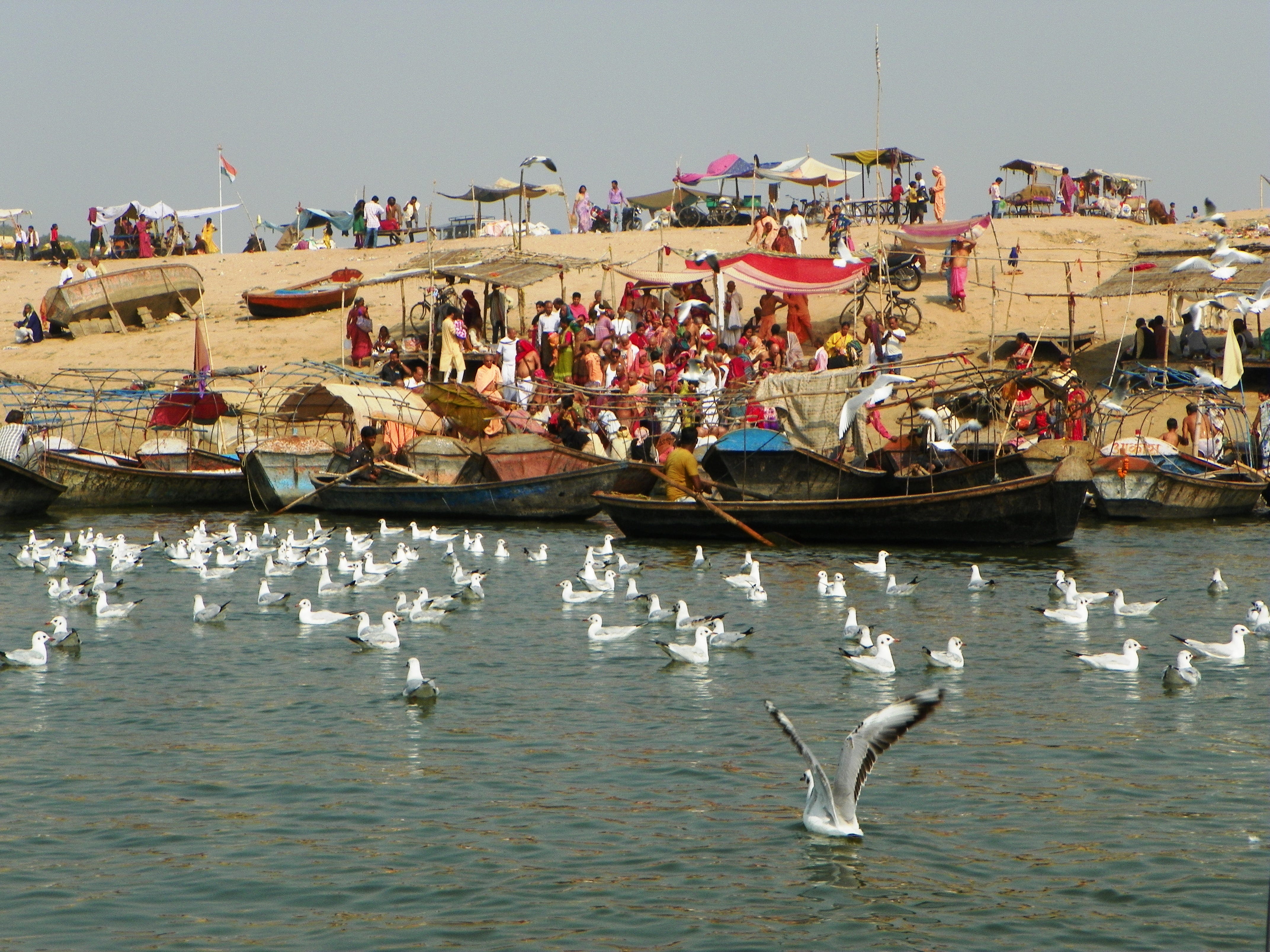

A day in the life of a kalpvasi
The day begins long before dawn. By four in the morning the lanes of the tent city are stirring, and the kalpvasi wraps a shawl over the shoulders and walks towards the river through the cold. The bath at the Sangam is taken as the sky lightens: three dips, arghya to the rising sun, a few quiet minutes of japa on the sand. On ordinary mornings the ghats are peaceful, even spacious. On the great snan days they are a sea of humanity, and you bathe where the volunteers and the police direct you.
Back at the tent, the one meal of the day is cooked and eaten, commonly around midday, after the morning's puja. Many camps run a common kitchen or a bhandara; many kalpvasis cook their own simple food on a small stove. The afternoon belongs to satsang. The mela ground is an open university of the traditions: akharas and ashrams hold discourses, and you can walk from a Gita pravachan to a Ramayana katha to a bhajan mandali in the space of an hour. As the lamps come on, there is the evening snan or at least a sprinkling of Sangam water, aarti somewhere in earshot, and then early sleep on the ground, because four o'clock comes quickly.
It is an austere rhythm, and also a deeply social one. Neighbours in the tent lines share tea, news and blankets. Old kalpvasi friendships pick up each January exactly where the previous February left them.
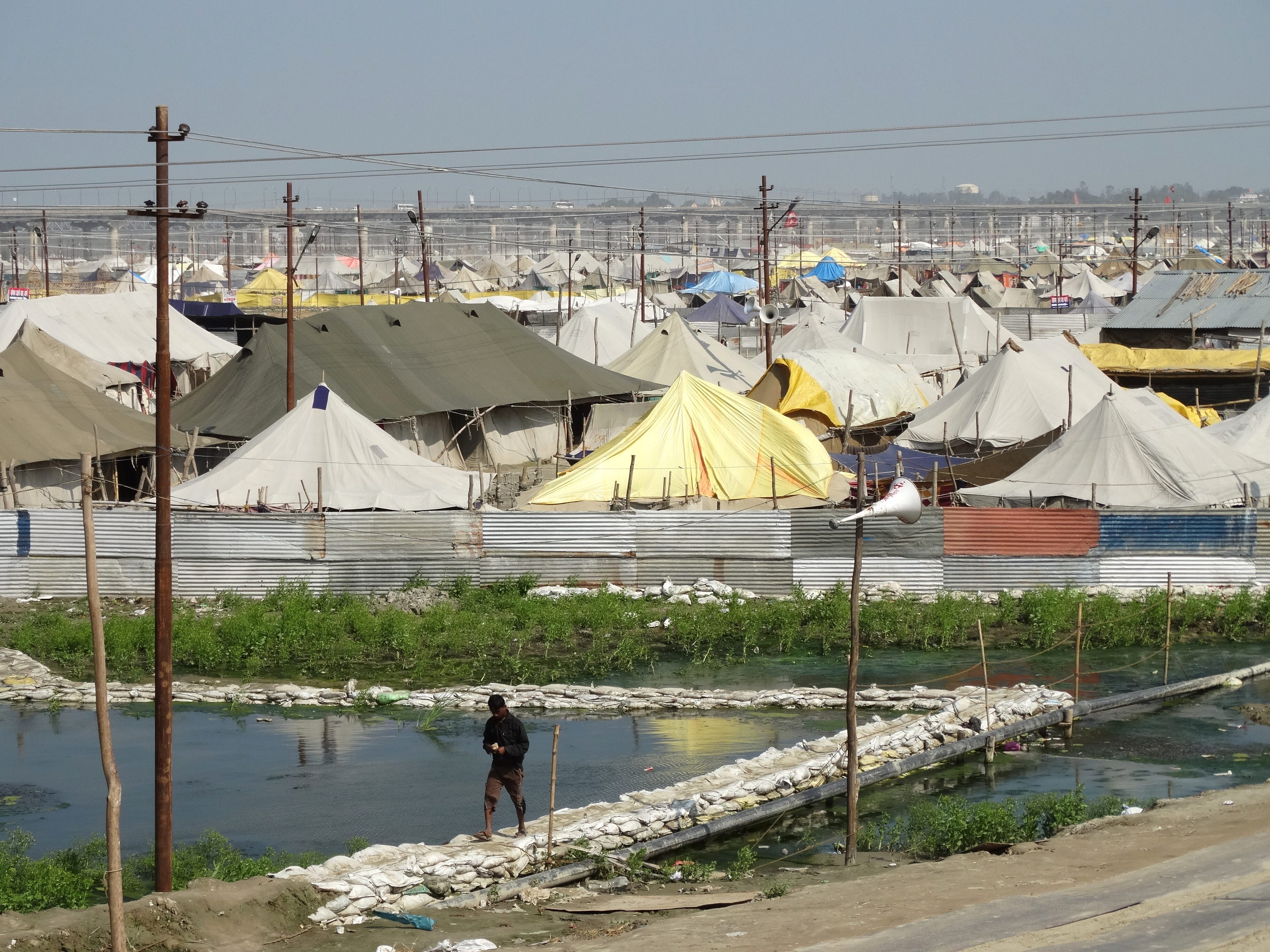

Staying at the mela: tents, camps and facilities
There are three broad ways to stay, and the right one depends on how close to the traditional vow you want to live.
With an ashram, akhara or religious trust. The traditional route. Scores of camps allot a tent or a space in a shared enclosure, usually against a modest charge or donation, and the camp's satsang, kitchen and rules come with it. This is how most kalpvasis stay, and for a first-timer it is the gentlest landing: the camp provides structure, company and guidance on keeping the vow. Well-known camps fill months ahead, so enquire early.
Your own tent through a private operator. Tent colonies and tour operators rent pitched tents with cots, bedding and attached or common toilets, in a wide band of comfort. You keep your own kitchen and your own schedule. This suits families who want the kalpvas life with a little more privacy.
Stay in the city, visit the mela. If a full kalpvas is not possible, many people keep a few days instead: a hotel or dharamshala in Prayagraj, and days spent at the Sangam, the camps and the satsangs. A short stay kept sincerely is a real participation, not a lesser imitation.
On the ground itself, the mela administration lays out a temporary district each year: sector-wise roads, pontoon bridges across the channels, drinking water, electricity, markets, hospitals and lost-and-found centres. Facilities have grown considerably over recent melas, but it remains a tent city in winter. Expect cold nights, dust, long walks, and queues on the big days. Registration arrangements for kalpvasis have varied from year to year, so check the current guidance of the Mela Authority before you go.

Getting there, and notes for NRIs and first-timers
Prayagraj is one of the best-connected pilgrimage cities in the north. Trains from Delhi, Kolkata, Mumbai and Varanasi serve Prayagraj Junction and the city's other stations, and the railways habitually run special services for the mela. The airport at Bamrauli has flights from the major metros, and Varanasi's airport, about three hours by road, is the wider gateway with more connections. From abroad, the simplest route is to fly into Delhi or Mumbai, connect to Prayagraj or Varanasi, and finish by road or rail.
January and February on the river are genuinely cold, with night temperatures often dropping into single digits and dense fog on many mornings. Pack in layers: thermals, a warm jacket, woollen socks and a cap for the dawn bath, sandals that slip off easily at the ghat, and a small torch. Keep medicines, a basic first-aid kit and any prescriptions with you; the mela has hospitals, but your own supply is simpler. On the great snan days, especially Mauni Amavasya, the crowds are immense: fix a meeting point with your group, carry only essentials to the river, and follow the one-way bathing routes the administration marks.
For NRIs coming with parents or grandparents who dream of kalpvas, a practical compromise works well: elders keep the full month in a trusted camp while the younger generation joins for the first or last week. Camps are used to exactly this arrangement.

Questions first-timers ask
Do I have to keep the whole month? The full kalpvas runs from Paush Purnima to Maghi Purnima, but nobody polices your vow. Many people keep a week or ten days within the month, and the mela welcomes them. The texts prize the full month; the tradition honours whatever is kept sincerely.
Can women keep kalpvas? Yes, and they always have. Couples often keep it together, and many women come with their own groups or their camp community.
Is it safe for the elderly? The mela is built around elderly pilgrims: medical camps, ghats with changing enclosures, battery carts on main routes, and announcements for the lost and found. The real risks are the cold and the big-day crowds, so choose a comfortable camp, avoid the densest hours of Mauni Amavasya, and keep the dawn bath short when the fog is heavy.
What does a month at the mela cost? Less than most people expect, if you stay simply. A camp tent and common kitchen keep costs modest; private tent colonies cost more for more comfort. The vow itself, of course, asks for the opposite of spending.
Can I keep kalpvas without joining a camp? You can rent a private tent, but first-timers are usually happier inside a camp, where the kitchen, the satsang and the rules of the vow are all around you. The vow is easier kept in company.
Kalpvas asks for one month and gives back a way of living that most of us only glimpse on holidays: one meal, one river, one prayer, and the sky for a roof. At DharmikVibes, our vision is to enable Divine Experiences for every seeker, and there is no deeper dive into the heart of the Prayag tradition than a winter spent on the Sangam's sand.