

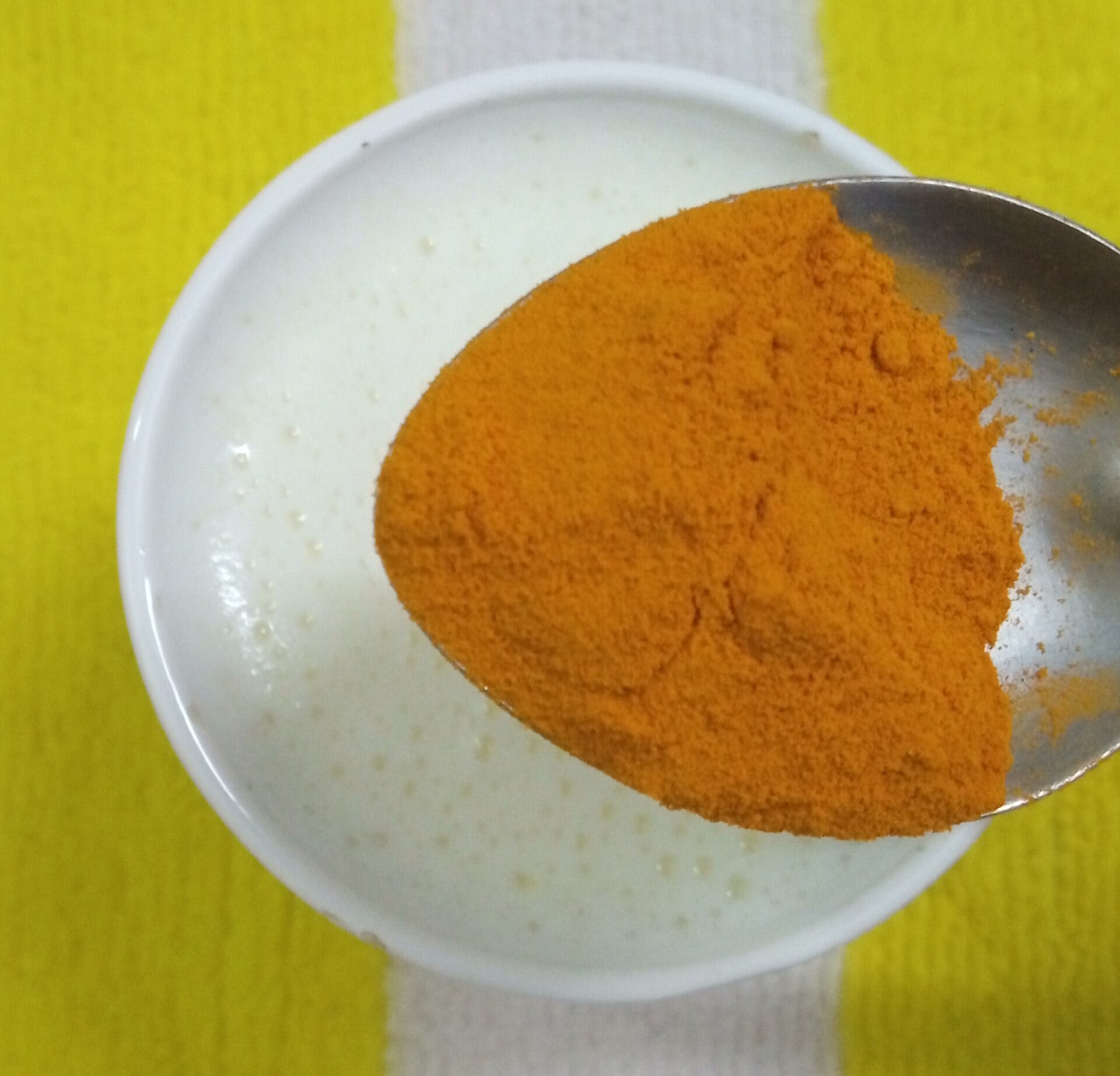
Photo: Muralikrishna Musunuri, CC BY-SA 4.0, via Wikimedia Commons (haldi doodh, the classic winter evening drink)
Ayurveda has always treated the turning of the seasons as a serious event for the body. Its seasonal regimens, called ritucharya, adjust food, routine and self-care with each ritu so that agni, the digestive fire, stays steady and the doshas stay in balance. With winter settling over most of India, here is what the classical tradition recommends for the cold months, and simple ways to bring it into a modern routine.
A gentle note before we begin: this article describes a traditional system of living, not medical advice. If you have a health condition, are pregnant, or take regular medication, please consult your doctor or a qualified Ayurvedic practitioner before changing your diet or routine.
Understanding Hemanta and Shishira
The classical texts, including the Ashtanga Hridayam (Sutra Sthana, Chapter 3), divide the cold season into Hemanta (early winter, roughly mid-November to mid-January) and Shishira (late winter, mid-January to mid-March). In these months, the tradition holds, the cold outside drives heat inward, so digestive fire is at its strongest. Appetite rises, and the body can handle richer, heavier nourishment than at any other time of year. This is the season when the classical texts encourage you to eat well and build strength for the year ahead.
What to eat in winter
With a strong agni, winter is the season for foods that are warming, unctuous and nourishing:
Grains and staples: freshly harvested rice, wheat, and warm preparations like khichdi made with seasonal vegetables and a little ghee.
Ghee and oils: the tradition favours ghee, and sesame (til) oil in particular, both in cooking and on the body.
Milk and dairy: warm milk in the evening, classically simmered with a pinch of turmeric or dry ginger, is a winter staple in many Indian homes.
Sweet and salty tastes: the texts give winter the tastes that nourish: madhura (sweet), amla (sour) and lavana (salty) in moderation. Jaggery, a winter harvest, appears everywhere from til-gud laddoos at Makar Sankranti to a small piece after meals.
Warming spices: ginger, black pepper, cinnamon, cloves and turmeric, used in everyday cooking rather than as supplements.
What to go easy on: very cold drinks, raw and light salads in excess, and anything straight from the refrigerator. Warm, freshly cooked food is the through-line of the season.
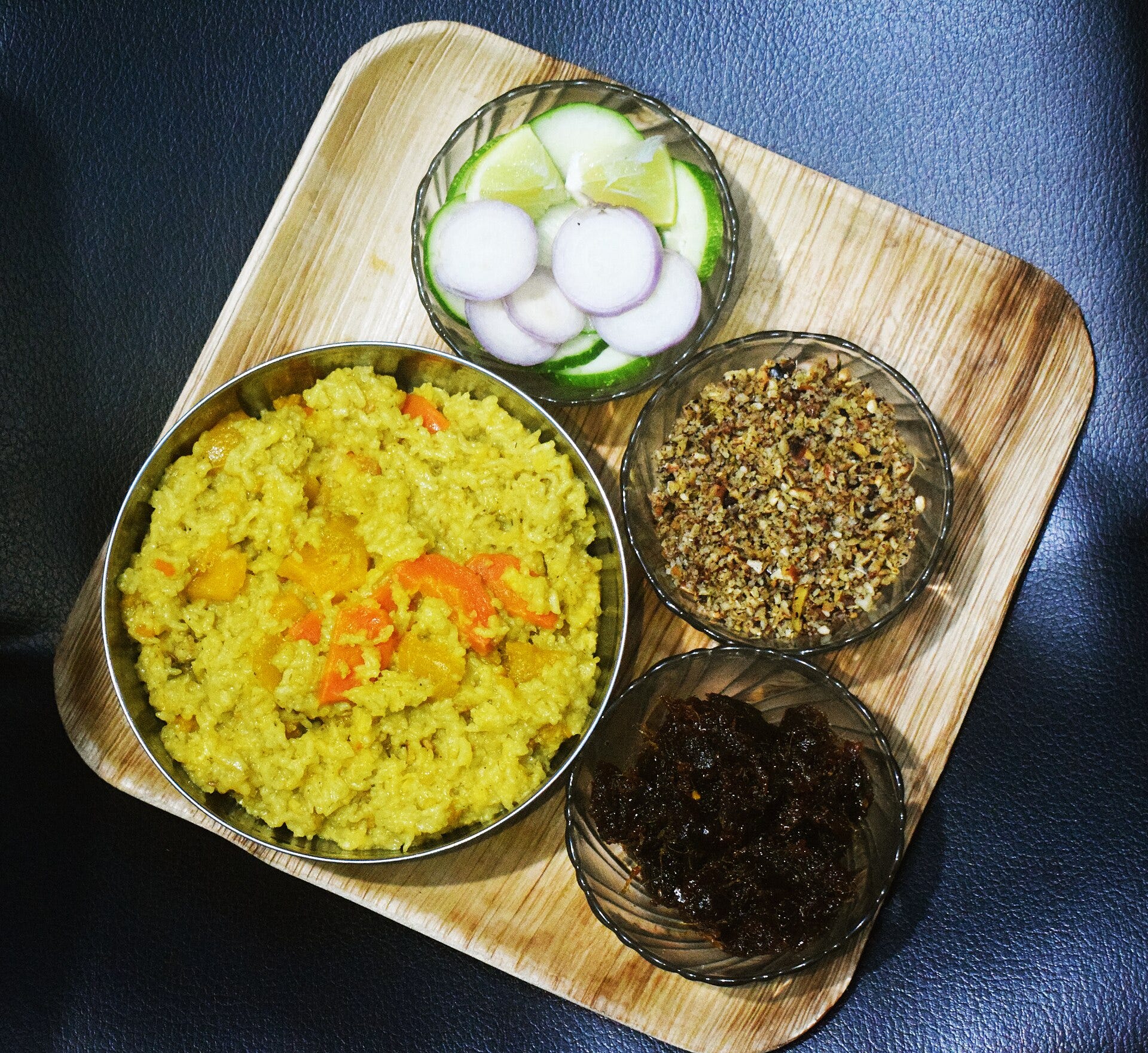
Photo: Dolon Prova, CC BY-SA 4.0, via Wikimedia Commons (vegetable khichdi, warm and unctuous winter food)
The winter daily routine
Dinacharya, the daily regimen, also shifts with the cold:
Abhyanga (oil massage): a warm oil self-massage before bathing is among the most-loved winter practices. Sesame oil is the classical choice in the cold months. Even five minutes on the feet, scalp and joints before a warm bath leaves the skin softer and the body calmer.
Warm (not hot) bathing: the texts advise warm water for the body and slightly cooler water for the head.
Exercise: with strength at its seasonal peak, winter is considered the best time for more vigorous exercise: longer walks, yoga asana, or any practice that builds warmth and then lets you rest.
Sunlight: the mild winter sun is treasured. Sit in it in the morning; it is the simplest ritucharya there is.
Sleep and rhythm: longer nights invite earlier dinners and good rest. The tradition cautions against day-sleep in most seasons, and winter's strong digestion rewards a regular rhythm.
Clothing: dress warmly, especially covering the head, ears and feet, which the tradition says lose heat quickly.
A simple winter day, the Ayurvedic way
Wake, scrape the tongue and rinse, then a glass of warm water. Ten minutes of stretching or surya namaskar to build gentle heat. Abhyanga with warm sesame oil, then a warm bath. A cooked breakfast: dalia, upma with ginger, or paratha with a little ghee. Lunch is the main meal, the season's appetite honours it. An afternoon walk in the sun. Warm haldi doodh or ginger tea in the evening, a light early dinner, and bed at a steady hour.
None of this needs to be perfect. Ritucharya is not a test to pass; it is the observation, refined over centuries, that the body is happier when we eat and live a little like the season outside the window. Warm food, warm oil, warm sun, early nights. Our grandmothers would recognise the list instantly.
At DharmikVibes, our vision is to enable every devotee to live their tradition in daily life, and the small seasonal disciplines of wellness are as much a part of that heritage as any temple yatra.