

In the modern cinematic era, where box office dominance is usually reserved for massive franchises and heavy VFX spectacles, a quiet, deeply spiritual Hindi film has fundamentally rewritten the rules of success. Made on a shoestring budget of just ₹2 crores, Hanuman Ansh has emerged as one of the most profitable Indian films of all time, grossing nearly ₹200 crores following its release in August 2026.
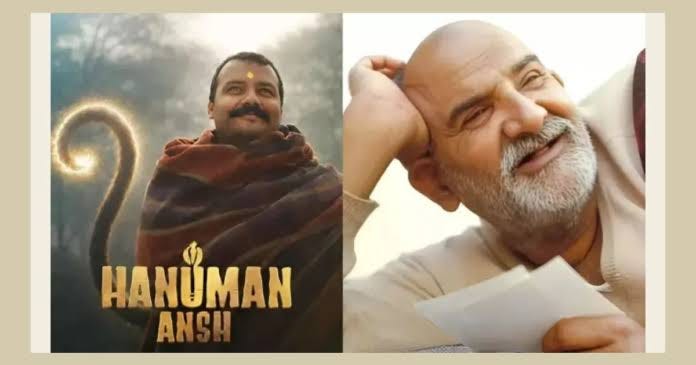
Directed and produced by Dr. Vishal Chaturvedi, the devotional drama traces the early life and spiritual awakening of Neem Karoli Baba, one of modern India’s most revered mystics. But Hanuman Ansh is more than just a biographical sketch; it is a cultural movement that has reintroduced a legendary saint to a brand new generation.
Here is an in-depth look at the true story behind the film, the making of its lead characters, and the viral music that carried it to the masses.
Who is Neem Karoli Baba? The Saint Behind the Story
Before he was known as Neem Karoli Baba (or affectionately, Maharaj-ji), he was born as Lakshman Narayan Sharma in the early 1900s in the Firozabad district of Uttar Pradesh.
Hanuman Ansh grounds its narrative in these early years. Following a devastating personal loss, the young boy left his home in pre-independence India in search of God. His journey transformed him into a wandering hermit who taught a simple but profound philosophy: love everyone, serve everyone, and remember God.
He eventually established his ashram at Kainchi Dham in Uttarakhand, which became an epicenter of devotion. While Maharaj-ji never traveled outside India, his teachings sparked a massive following in the West during the counterculture movement of the 1960s and 70s. His ashram drew a steady stream of tech visionaries and global icons, including Apple co-founder Steve Jobs, Facebook founder Mark Zuckerberg, and Hollywood actress Julia Roberts.
Translating the Divine to the Screen
The casting of Neem Karoli Baba was one of the film’s biggest gambles. The lead role went to Shobhinaw Satyaa, who was initially an assistant director on the project and stepped in after the original actor fell ill on the first day of shooting.
Satyaa was initially terrified of the responsibility, worrying if audiences would accept him as the beloved Maharaj-ji. However, his immersion into the role became intensely spiritual. During filming, Satyaa spent time alone at a local temple, where villagers naturally began addressing him as “Baba” and bringing him simple village food like roti, salt, and garlic. This organic connection with the locals allowed him to shed his fears and deliver a remarkably grounded, critically acclaimed performance.
The Unsung Devotion: Rambeti Sharma and the ‘Parvati’ Anthem
While Maharaj-ji’s journey is the central focus, the film deeply resonated with audiences through its portrayal of his wife, Rambeti Sharma, played by actress Purnima Tiwari.
Tiwari, who was initially considered for a different role, insisted on playing Rambeti, capturing the quiet resilience of a woman whose husband was destined to serve humanity rather than a traditional household. Her emotionally charged, dialogue-light performance became a massive talking point among viewers.
This emotional arc is anchored by the film’s viral musical sensation, “Jab Zid Pe Aa Gayi Parvati.”
The Music: Written, composed, and sung by Sadhu S. Tiwari, the track is a Bundelkhandi folk-devotional song.
The Meaning: The song narrates the steadfast devotion of Goddess Parvati, who refused to change her mind about marrying Lord Shiva, even when the Saptarishis warned her of his ascetic, unconventional lifestyle.
The Cinematic Link: The song perfectly mirrors Rambeti’s life. Just as Parvati accepted Shiva’s detachment from worldly comforts, Rambeti accepted Maharaj-ji’s divine path, making the song an emotional powerhouse that dominated social media across India.
A Legacy Continued
Hanuman Ansh proves that when a story is rooted in authentic faith and selfless love, it doesn’t need a massive budget to connect with millions. Riding on overwhelmingly positive word-of-mouth, the film’s success caught the attention of Hombale Films, which stepped in to release the movie internationally on September 11, 2026 - coinciding perfectly with the anniversary of Neem Karoli Baba’s passing in 1973.
For devotees and cinephiles alike, the film is a beautiful reminder of Maharaj-ji’s enduring miracle: the ability to transform lives through simple, unconditional love.
The phenomenal success of Hanuman Ansh hasn’t just sparked conversations about cinema - it has triggered a massive, real-world surge in spiritual tourism. For readers of DharmikVibes, the movie is more than entertainment; it’s an invitation to experience the peace of Neem Karoli Baba firsthand.
Here is how the legacy of Maharaj-ji continues to shape the modern world, and how you can plan your own transformative journey.
The Silicon Valley Connection
One of the most fascinating aspects of Neem Karoli Baba’s legacy is his profound influence on the architects of the modern digital age. Despite never leaving India, his philosophy of interconnectedness and simple living drew some of the brightest minds of the 20th century to his ashram.
Steve Jobs: In 1974, a young Steve Jobs traveled to India seeking spiritual enlightenment and specifically intended to meet Neem Karoli Baba. Although Maharaj-ji had passed away shortly before Jobs arrived, the Apple co-founder spent significant time in the region. The profound spiritual experiences he had in India heavily influenced Apple’s core design philosophy of simplicity and intuitive connection.
Mark Zuckerberg: Decades later, when Facebook was facing a severe existential crisis, Steve Jobs advised Mark Zuckerberg to visit Kainchi Dham to reconnect with his mission. Zuckerberg spent time at the ashram, an experience he later credited with helping him understand the importance of connecting people and keeping Facebook alive.
Other Icons: The ashram also drew Hollywood star Julia Roberts (who became a practicing Hindu after being drawn to Maharaj-ji’s picture) and spiritual teacher Ram Dass (formerly Dr. Richard Alpert of Harvard), who brought Baba’s teachings to the West through his seminal book, Be Here Now.
The Real-World Magic of Kainchi Dham
If Hanuman Ansh left you craving the quiet serenity it depicted, you can find it tucked away in the Kumaon Hills of Uttarakhand. Established in 1964, Kainchi Dham is a beautifully preserved spiritual sanctuary nestled along the banks of the Shipra River.
The Vibe: Unlike many crowded, highly commercialized pilgrimage sites, Kainchi Dham maintains an atmosphere of strict discipline and profound quiet. The ashram enforces rules regarding modest dress and silent reverence, ensuring that the environment remains conducive to meditation and inner reflection.
The Bhandara: Every year on June 15th, the ashram hosts a massive bhandara (community feast) to commemorate its founding. Hundreds of thousands of devotees gather to receive prasad, yet the event runs with miraculous efficiency and order.
Planning Your Journey with DharmikVibes
With the movie driving unprecedented interest, planning your trip to Kainchi Dham requires a bit more foresight than before. Here is a quick guide for your pilgrimage:
Location Bhowali range, approx. 17 km from Nainital, Uttarakhand.Best Time to Visit March to June (pleasant weather) or September to November (crisp autumn air, post-monsoon greenery). Avoid July-August due to heavy Himalayan rains.
How to Reach
Fly: Pantnagar Airport (70 km away).
Train: Kathgodam Railway Station (38 km away). From Kathgodam, you can easily hire a taxi or take a local bus to the ashram.
Maharaj-ji used to say, “I am like the wind; I can go anywhere.” Today, through the cinematic triumph of Hanuman Ansh and the digital connectivity of platforms like DharmikVibes, that wind is reaching more people than ever before.