

There is a beloved saying in Bengal: sab tirtha bar bar, Gangasagar ekbar. Every other tirtha is worth visiting again and again, but Gangasagar once is enough for a lifetime. The place the saying honours is the southern tip of Sagar Island in West Bengal, where the Hooghly, the last great arm of the Ganga, spreads into the Bay of Bengal. Here, on Makar Sankranti each January, one of the largest gatherings of Hindu pilgrims in the country comes to bathe where the river meets the sea.
The Ganga Sagar Mela is often described as the second largest pilgrimage gathering in India after the Kumbh, and it asks more of the pilgrim than most. The island is reached only by boat. The bathing is done in the open sea, in winter, at dawn. And yet every year the ferries fill with villagers from Bengal, Bihar, Odisha and far beyond, grandmothers with small steel buckets, sadhus who have walked for weeks, families carrying everything they need on their heads.
In 2027 the main snan falls on Friday, 15 January. This guide covers the legend that makes this shore holy, the dates and the bathing, the journey from Kolkata to the island, staying at the mela, and the practical notes that matter, especially if you are coming from far away.
The legend of Sagar's sons
The story is one of the great arcs of the Puranas. King Sagar of Ayodhya performed the ashwamedha, the horse sacrifice, and the gods, displeased, stole the horse and hid it in the hermitage of the sage Kapila, deep in meditation at the place where the Ganga would one day meet the sea. Sagar's sixty thousand sons came searching, accused the sage, and were burnt to ash by the fire of his disturbed meditation. Their souls wandered unredeemed.
Generations passed. Then Bhagirath, of the same line, undertook a penance so severe that it moved the gods: he brought the Ganga down from heaven to earth, cushioning her fall in the matted locks of Shiva, and led her across the plains to this shore. Where her waters touched the ashes of Sagar's sons, they were freed. The island took the king's name, Sagar, and the confluence took his story. The sage Kapila is worshipped here still, in the Kapil Muni temple that stands a short walk from the bathing ghat.
This is why the dip here is unlike any other. At Prayagraj you bathe at the meeting of rivers. At Gangasagar you bathe where the river completes her journey, and where, the tradition says, she once completed a family's redemption.
Ganga Sagar Mela 2027: the dates and the holy dip
The mela is tied to Makar Sankranti, the day the Sun enters Makara and begins Uttarayan, its northward course. In 2027 the Sankranti moment falls on the night of Thursday, 14 January, and the festival and its holy bathing are observed on Friday, 15 January. By the panchang for Kolkata, the punya kaal, the auspicious window for snan and daan, runs through the day on the 15th, with the most auspicious hours in the early morning. The mass bathing begins in the dark hours before sunrise.
The mela itself runs for about a week around Sankranti. In recent years it has opened a few days before and closed a few days after the main day, and the official 2027 dates are announced by the district administration closer to the event, usually in December. Ferries, buses and camps begin running in strength from roughly the second week of January. Check the administration's current notices before you fix travel, since bathing hours and traffic rules are regulated on the main day.
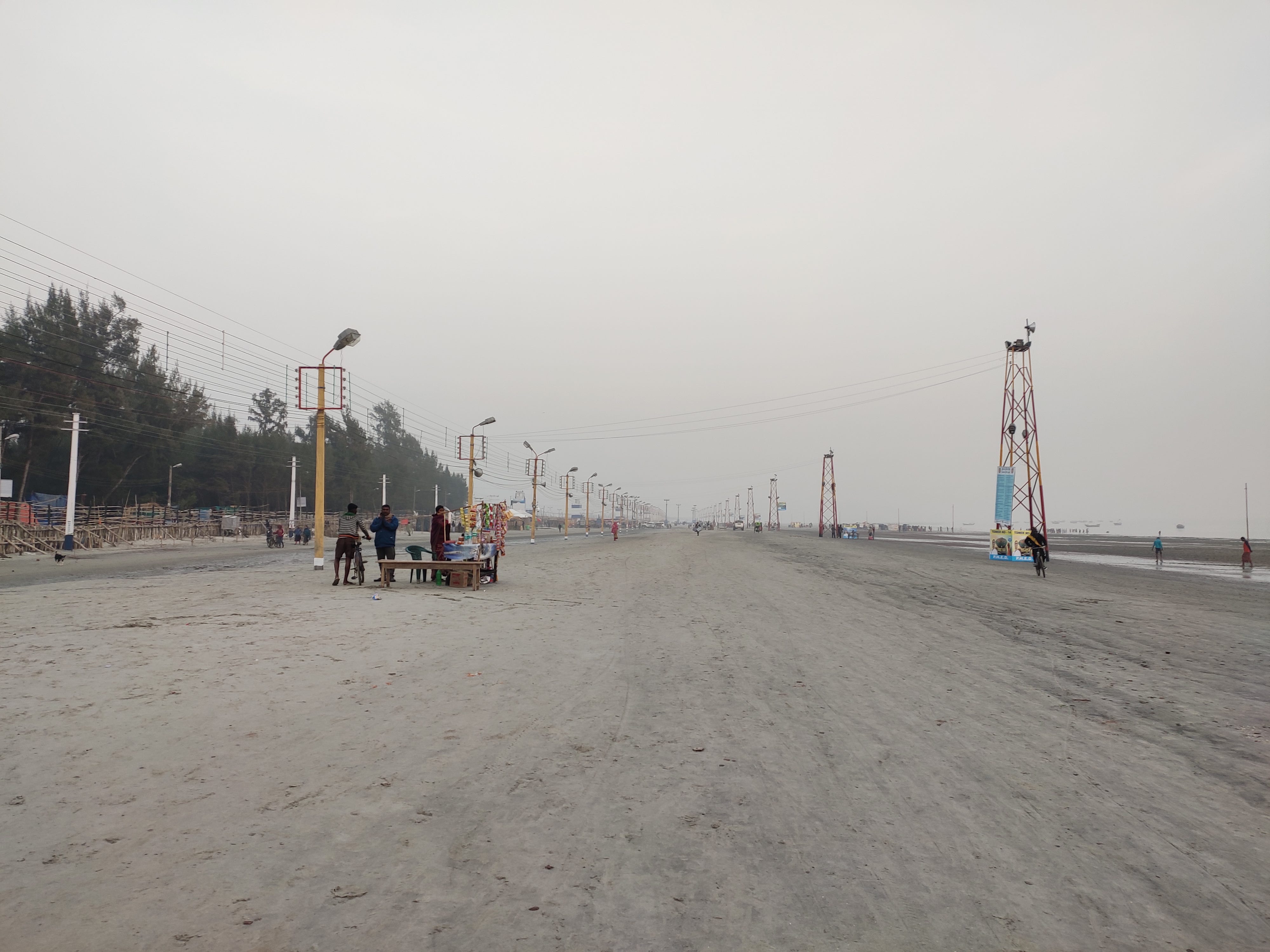
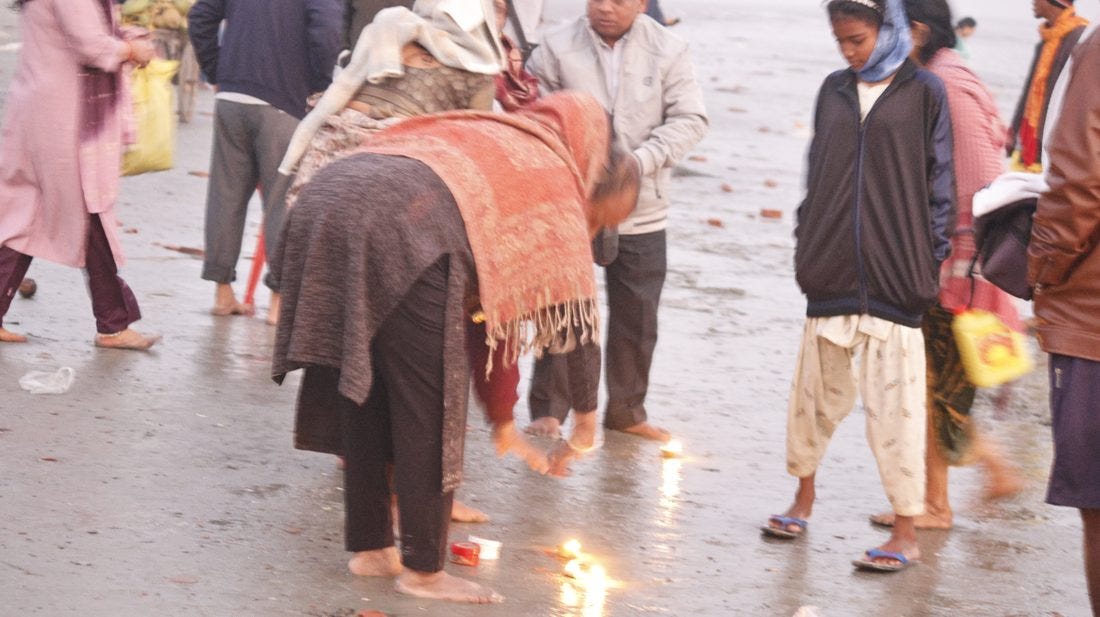
The dip itself is simple and unforgettable. Pilgrims walk down the wide beach in the pre-dawn cold, wade into the grey water as the sky lightens, take three dips facing the east, and offer arghya to the rising sun. Many light small lamps on the sand, give daan, and then walk up to the Kapil Muni temple for darshan before the day is old. The sea here is shallow and the beach broad, but it is still the sea: bathe within the barricaded areas and follow the volunteers and police.


The journey: Kolkata to the island
Gangasagar begins in Kolkata. The city is the gateway, and the mela's presence is felt there days ahead: a transit camp usually comes up at Babughat on the Hooghly, where sadhus and pilgrims rest on their way south. If you are flying in, Kolkata's airport and its Howrah and Sealdah rail terminals are all within reach of the road south.
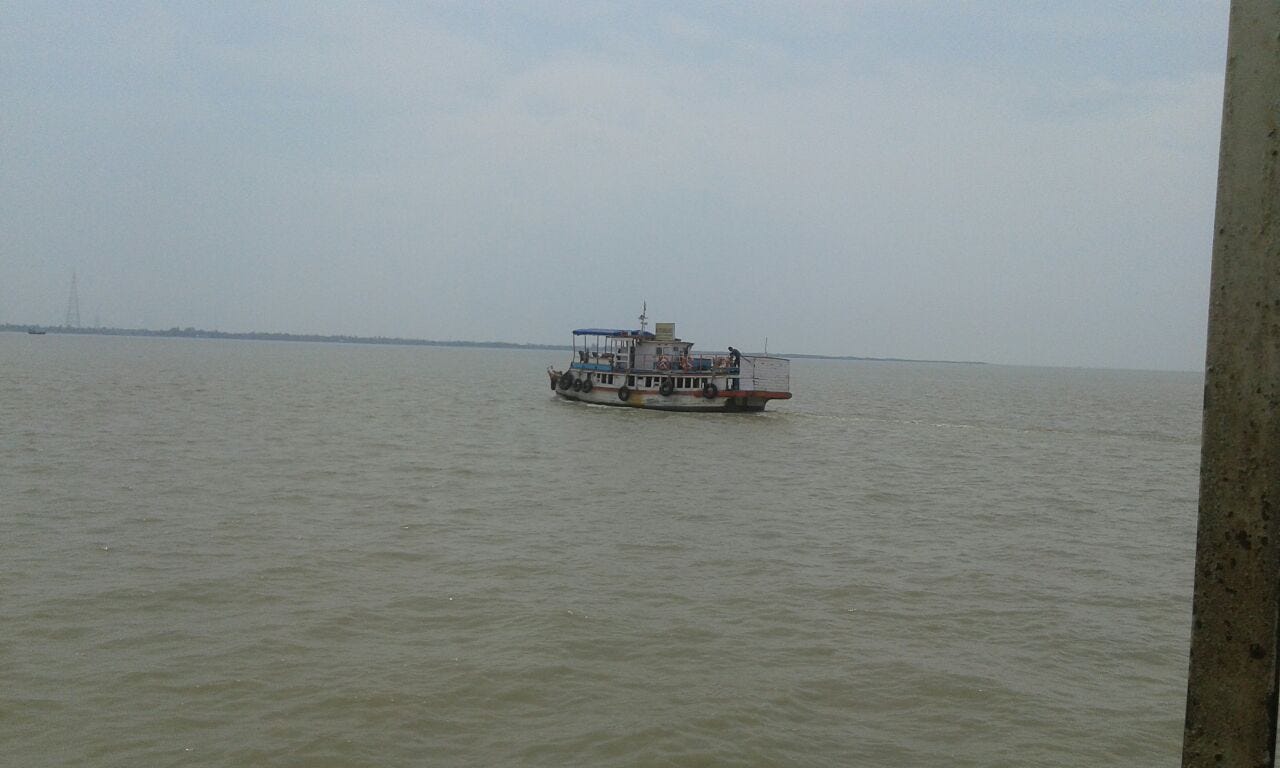
From Kolkata, the route runs about a hundred kilometres south to Kakdwip, where the road ends at Harwood Point on the eastern bank of the Muriganga river. Buses run from the city through the mela season, and many pilgrims come by train to Kakdwip station. At Harwood Point everything shifts to water: ferries and launches carry you across the Muriganga, roughly half an hour to forty-five minutes depending on the tide, to Kachuberia on the island's northern shore. During the mela, extra vessels and shuttle buses are pressed into service, and the crossing runs day and night on the main days.
The Muriganga is tidal, and January mornings on the estuary can be foggy. Crossings can pause in dense fog or rough weather, so keep slack in your schedule, especially if you have a train or flight the same evening. On the far side, buses and shared jeeps run the thirty kilometres south through the island's villages, past paddy fields and ponds, to the mela ground at the southern tip near the Kapil Muni temple. The last stretch on the main days is a slow, joyful river of people on foot.

Staying on the island and life at the mela
The island has no hotels of the kind a city offers. Pilgrims stay in ashrams and dharamshalas near the temple, in tents and tarpaulin shelters they bring themselves, and in the large camps the administration and religious organisations put up along the road to the beach. Book ashram accommodation well in advance if you want a room; most pilgrims simply arrive with a blanket and a bag and find a corner. Many, especially those coming from Kolkata, treat Gangasagar as a long day: a pre-dawn start from the city, the crossing, the dip, darshan, and back by night.
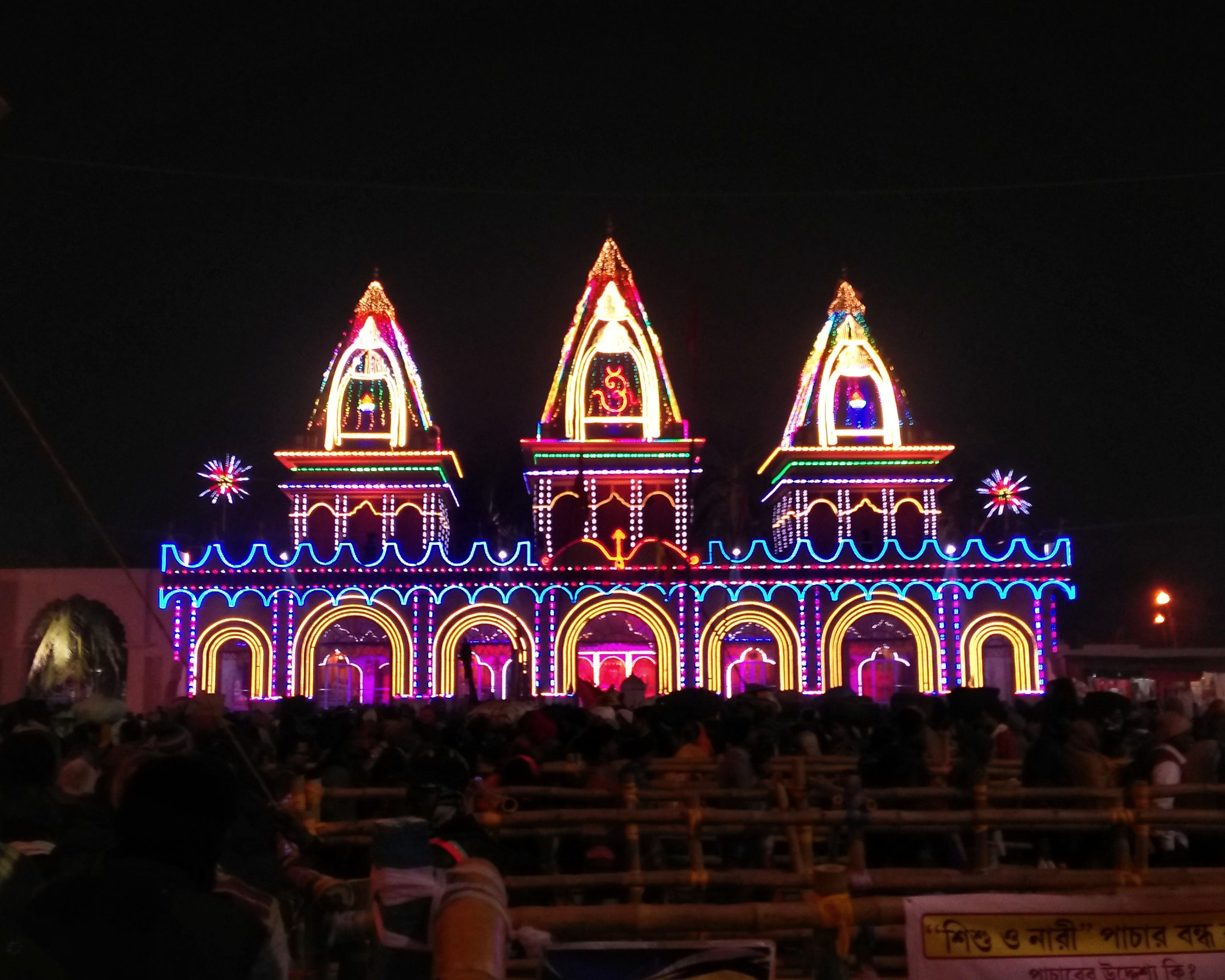
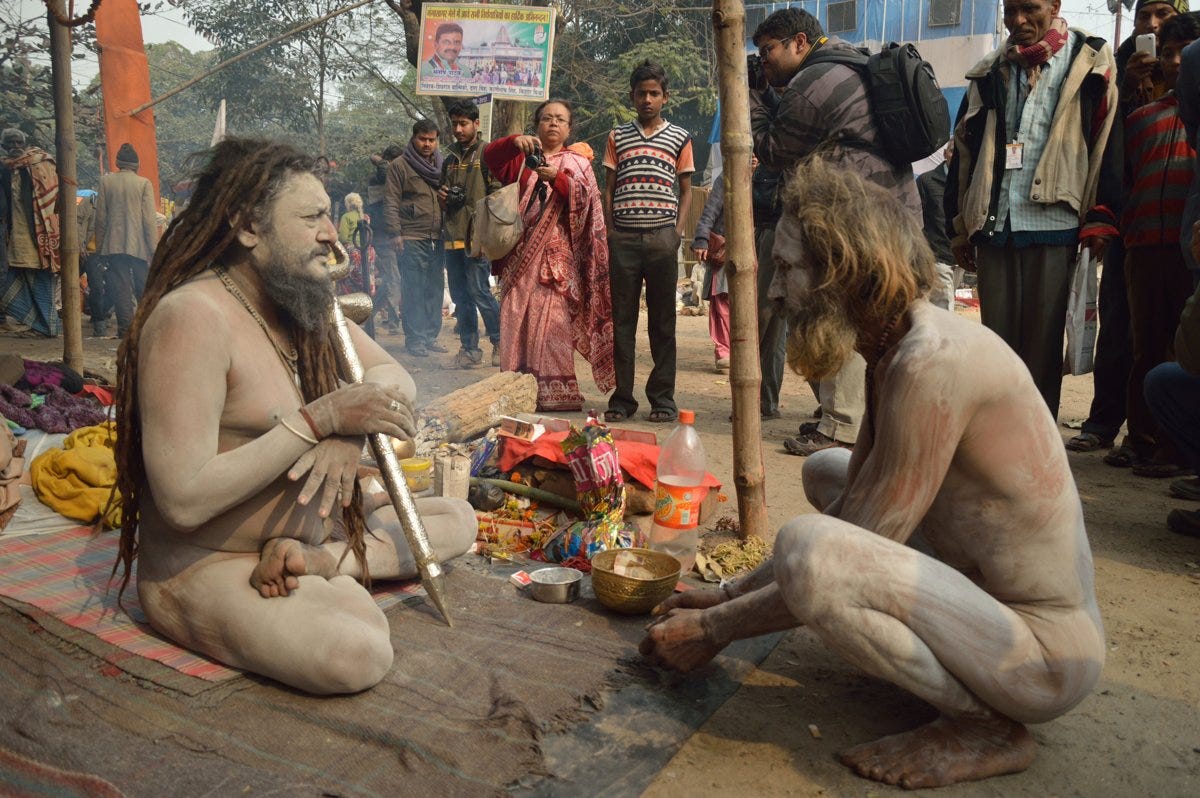
The mela ground itself is a small city for a week: rows of stalls, community kitchens feeding pilgrims, loudspeakers with bhajans and announcements, medical posts, lost-and-found camps, and lanes of saffron and white cotton drying in the sea wind. The Kapil Muni temple, a modest shrine much rebuilt after cyclones over the centuries, draws a steady stream all day, and its evening aarti against the sound of the surf is the mela's quiet heart.
Give the island time if you can. Beyond the mela, Sagar is a green, watery delta island with a lighthouse, quiet beaches and village life that has little to do with the festival. A night on the island, even in a tent, lets you bathe at dawn without racing a same-day return, and the beach at first light, before the crowds arrive, is when the place shows you why the saying exists.

Practical notes for pilgrims and NRIs
January on the estuary is colder than first-timers expect. Mornings before the dip can be near ten degrees with a wind off the water, and the crossing is chilly. Carry a warm layer you can shed, sandals you can slip off at the beach, and a small towel and change of clothes in a waterproof bag. Changing enclosures are set up near the ghat during the mela, commonly, with variations year to year.
Travel light and keep valuables to a minimum; the crowds on the main day are dense. Carry drinking water, any medicines you need, and a little cash, since digital payments and mobile networks can strain on the island when it fills. The administration announces bathing windows, traffic arrangements and help lines each year, so check its current guidance before you set out, and note where the medical posts and police camps are when you arrive.
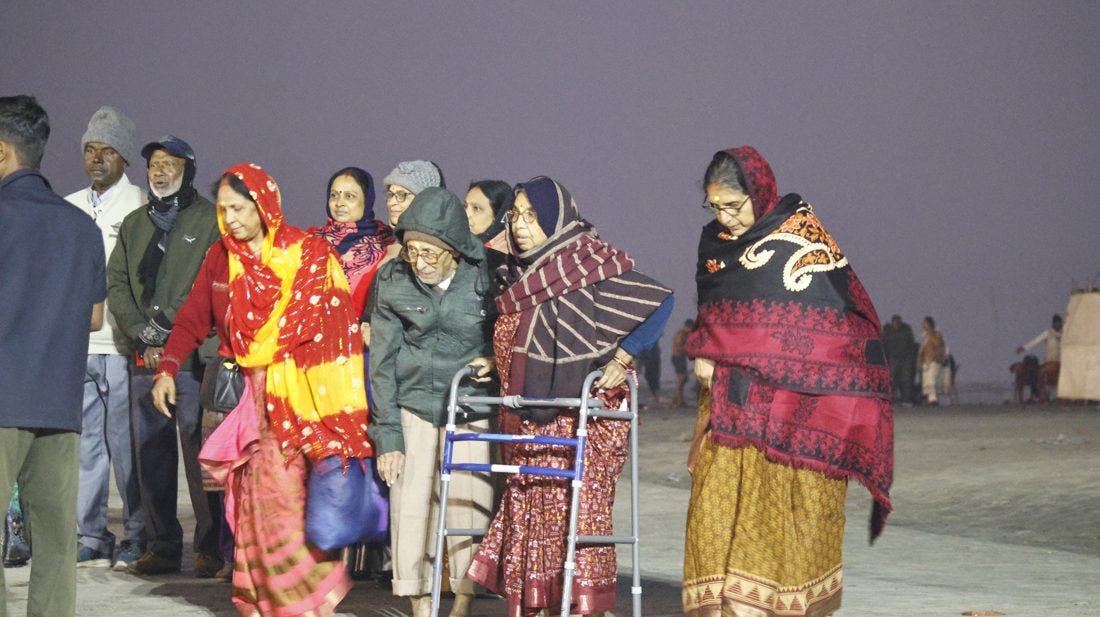
For elderly pilgrims, the mela is more manageable than its reputation suggests if you pace it: wheelchair and assistance arrangements have been part of recent editions, and the beach is flat with a gentle slope into the water. Plan the dip for early morning on a non-peak day if you can, or allow generous time on the main day itself.
If you are an NRI or coming from abroad, fly into Kolkata and give yourself two days for the yatra, one to reach the island and settle, one to bathe and return. A hired vehicle from the city to Harwood Point is the comfortable option, and the ferry and island transport are straightforward from there. The reward is one of the oldest continuously kept pilgrimages in the country, in a setting no other tirtha can offer: the end of the Ganga's long journey, and the open sea.

Questions first-timers ask
When is Ganga Sagar Mela 2027? The main snan is on Friday, 15 January 2027, the day of Makar Sankranti, with the festival running for about a week around that date. Official dates and bathing hours are announced by the district administration closer to the event.
How do I reach Gangasagar? From Kolkata, travel about a hundred kilometres south to Harwood Point at Kakdwip, cross the Muriganga by ferry to Kachuberia, and continue about thirty kilometres south by bus or shared jeep to the mela ground near the Kapil Muni temple.
Can I do Gangasagar in one day from Kolkata? Yes, and many do, starting before dawn and returning by night. It makes for a very long day; a night on the island is the more restful way.
Is the sea bathing safe? The beach is broad and the water shallow near the shore, and the bathing area is barricaded and patrolled on the main days. Bathe within the marked areas and follow the volunteers and police.
Where do pilgrims stay? In ashrams and dharamshalas near the temple, in government and organisational camps, and in their own tents. Rooms are few, so book early if you want one.
What should I carry? Warm layers for the crossing and the dawn, sandals, a towel and dry clothes in a waterproof bag, drinking water, medicines, and cash. Keep valuables to a minimum.
Is there a best time to bathe? The tradition favours the pre-dawn and early morning hours on Makar Sankranti itself, within the auspicious windows the panchang sets for the day. Bathing continues through the day and across the mela week.