

On Sunday, 20 December 2026, Mokshada Ekadashi falls, and with it Gita Jayanti, the day the Bhagavad Gita was born. The tradition holds that on the Shukla Ekadashi of Margashirsha, on the field of Kurukshetra, Krishna turned his chariot between two armies and answered a warrior who had lost his will. What he said has been answering people ever since.
There is no older birthday party quite like it. No cake, no candles. The Gita is honoured the only way it ever asked to be: by being read, heard, and argued with.
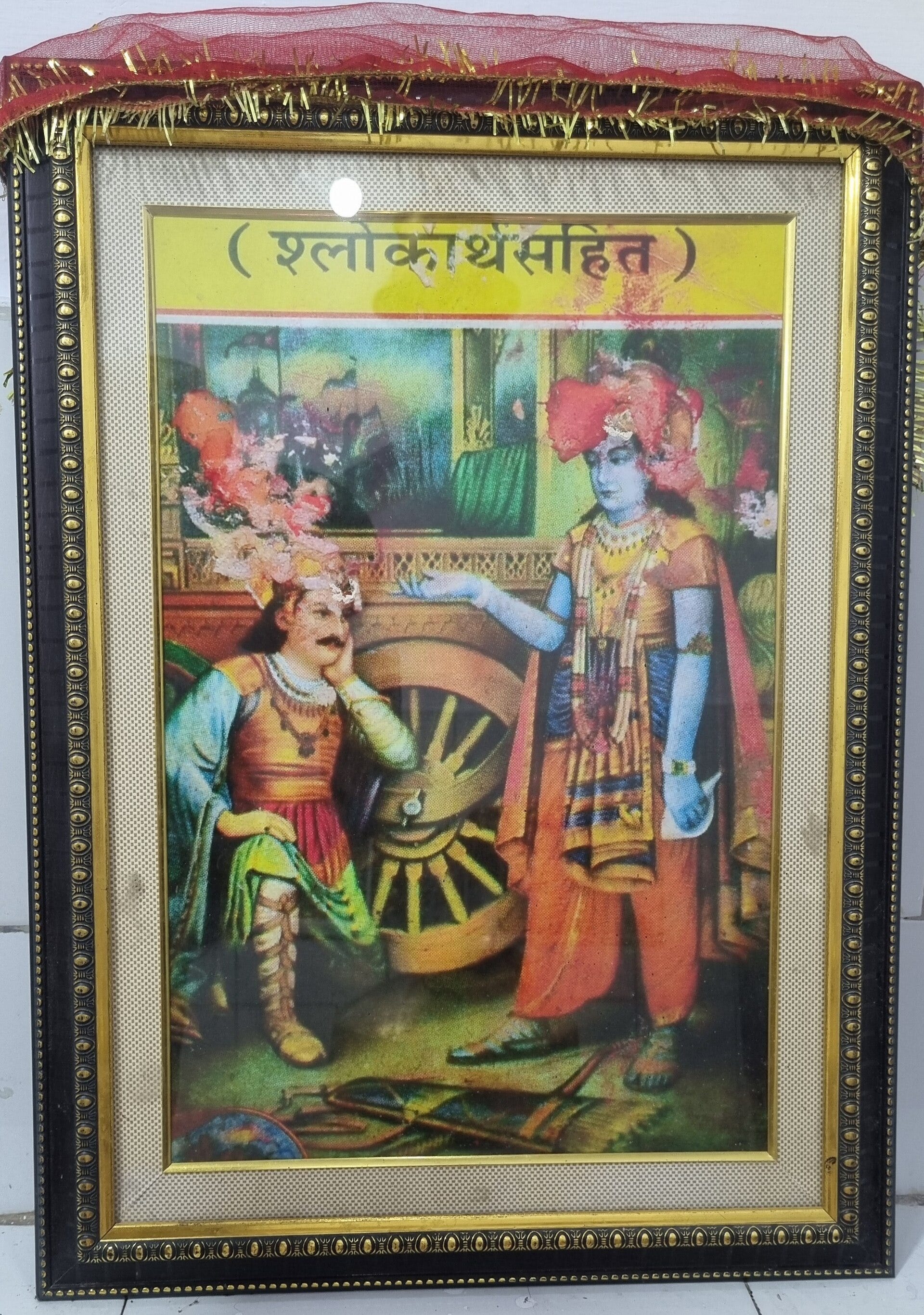

The moment it happened
The Gita opens with a collapse. Arjuna, the greatest archer of his age, looks across the field at his own teachers, uncles and cousins, and puts down his bow. "I will not fight." Krishna's answer runs to seven hundred verses, but its heart can be held in one hand: you are not asked to abandon the world; you are asked to act within it without chaining yourself to the fruit of action. Do your dharma. Offer the outcome. Remain free.
Mokshada Ekadashi carries its own story too. The Padma Purana tells of King Vaikhanasa, whose fasting on this day released his father from hell. That is why the day bears the name moksha-da, the giver of liberation: the Ekadashi that frees.
How the day is observed
ISKCON temples and Gita institutions across India and abroad mark Gita Jayanti with full recitations of all eighteen chapters, often beginning in the morning and ending by evening. In Kurukshetra, where it happened, the Brahma Sarovar hosts a week of celebration, with pilgrims bathing and the Gita read at the very land of its speaking. Many households do something far simpler and no less complete: they read the Gita, or a chapter of it, on this one day.
- Read the Gita on 20 December: one chapter, or the whole, as you are able. - Keep the Ekadashi fast if you observe Ekadashis; the moksha of the day's name belongs to the fast. - Chant or listen to Chapter 15, the Purushottama Yoga, traditionally honoured on this day. - Give the Gita: a copy to a young person, with no lecture attached. - Ask the honest question the Gita itself begins with: what is my duty here, and what am I avoiding?
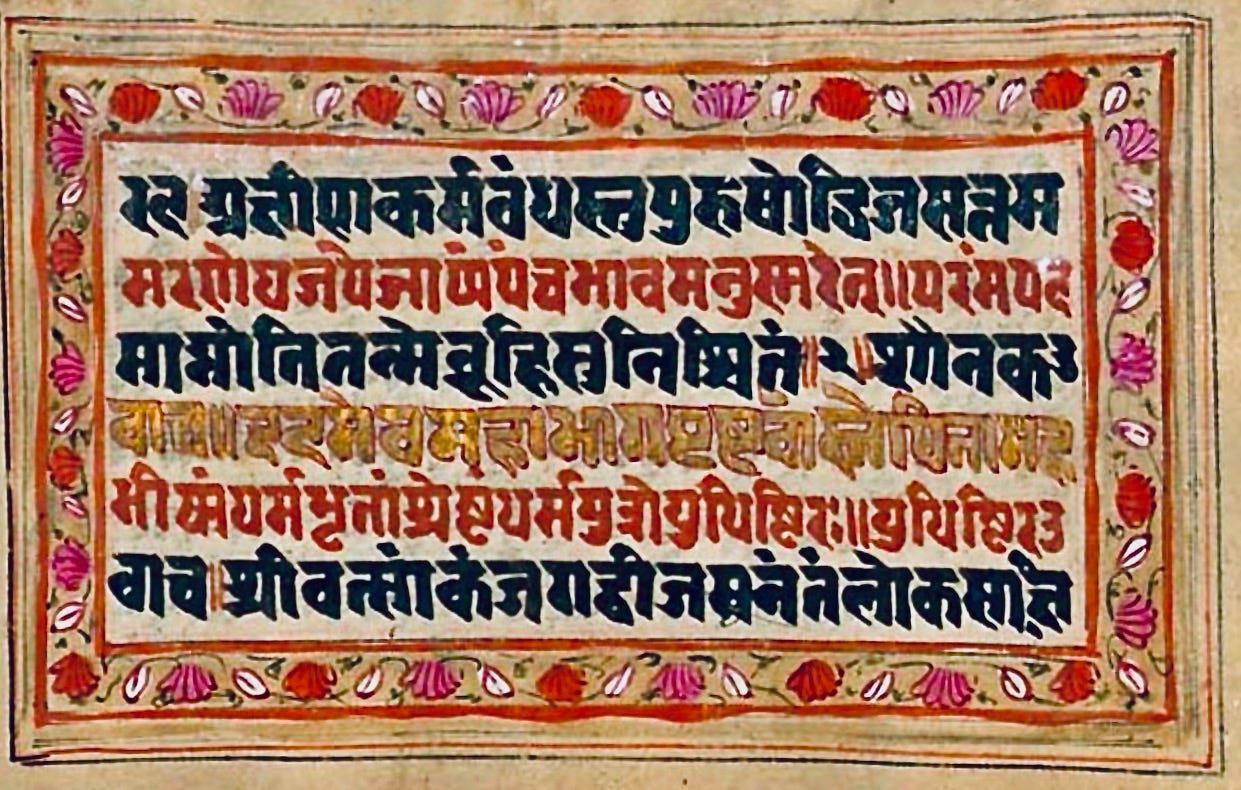

The Gita for people who have never opened it
The most common question is simply where to begin. Begin anywhere, but three doors open widest. Chapter 2 lays the whole foundation, the immortal self and the duty to act. Chapter 12, the shortest, is bhakti in its purest form: what the devotee looks like to God. Chapter 18 gathers everything and ends with the promise generations have carried in their pockets: surrender, and do not grieve.
The Gita does not demand agreement. Arjuna argues for eleven chapters. The text honours the argument as part of the path.
A question that keeps the day
Every year Gita Jayanti asks the same thing of each reader: where is your Kurukshetra this year? The field is rarely a battlefield. It is the decision deferred, the duty resented, the right thing that costs too much. The Gita was not spoken in a temple. It was spoken where a man stood shaking between two duties. That is still where it is heard best.
At DharmikVibes, our vision is to enable Divine Experiences for every seeker, on every yatra. May the Song that was sung on this day steady your own.