

Applied for a visa and anxiously refreshing your email for updates? For many Indians, the uncertainty of visa approvals is one of the most stressful parts of studying, working, or settling abroad. While documents, interviews, and finances play a crucial role, a growing number of people are turning to something less official but deeply meaningful: faith.
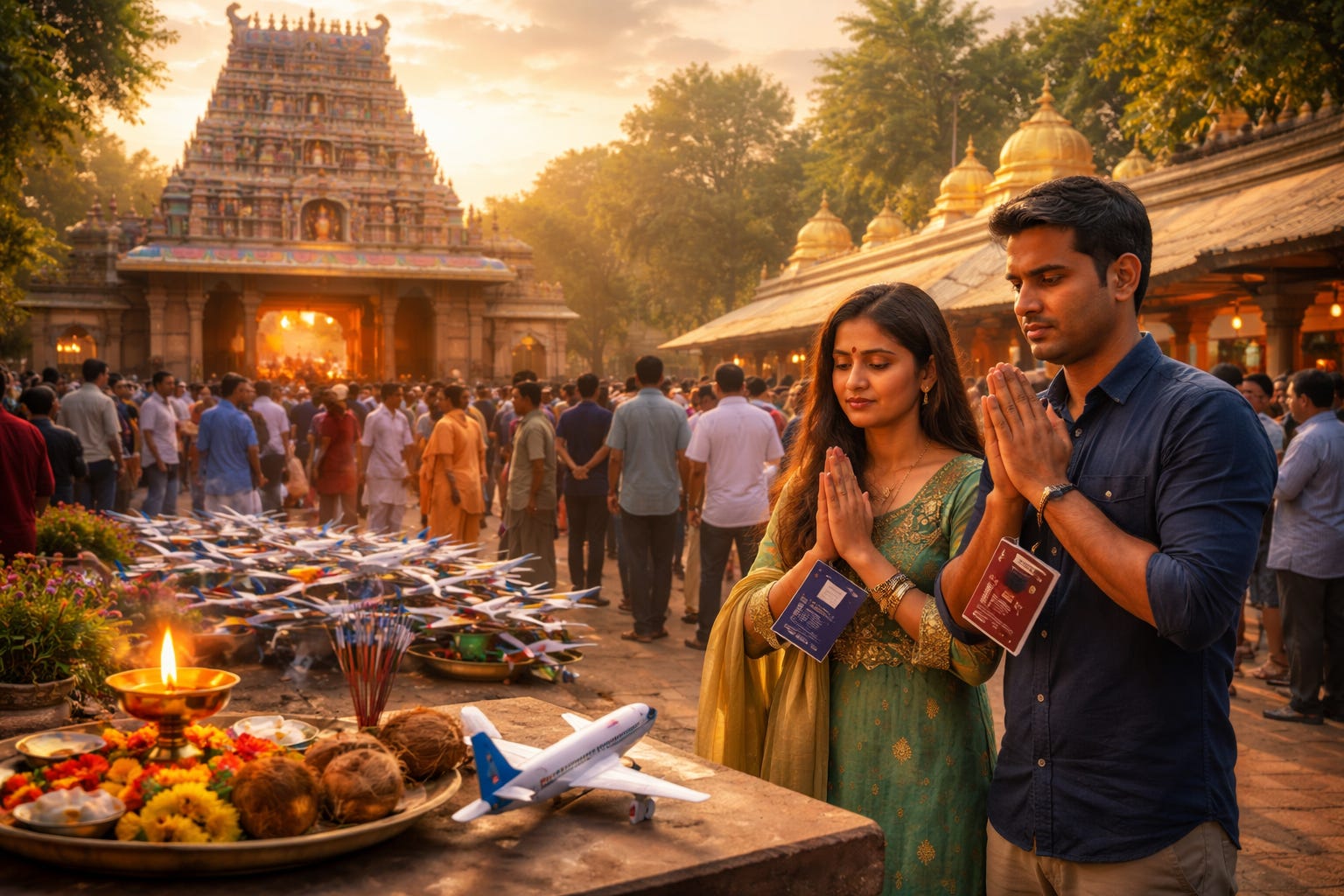
Across India, several religious shrines have earned the popular reputation of being “visa temples” -places where devotees pray specifically for successful visa approvals. Though none of these sites claim to guarantee outcomes, thousands of people visit them every year, believing that prayer can remove obstacles, bring good fortune, and offer peace of mind during an emotionally taxing process.
What Are Visa Temples?
Visa temples are not religious sites that were originally built for immigration-related wishes. Instead, they are traditional temples, gurudwaras, and shrines that gradually became associated with overseas aspirations as stories of “answered prayers” spread through word of mouth.
Over time, these places evolved into symbolic centers of hope for students, professionals, and families dreaming of life abroad. Visitors often carry copies of visa application forms, passport photos, or symbolic offerings - combining modern ambitions with ancient rituals.
At their core, visa temples represent a cultural response to uncertainty. When outcomes feel beyond personal control, faith becomes a way to cope, stay optimistic, and feel empowered.
Famous Visa Temples in India
1. Chilkur Balaji Temple, Hyderabad
The Most Famous Visa Temple in India
Often referred to as the Visa Balaji Temple, Chilkur Balaji Temple near Hyderabad is arguably the most well-known shrine linked to visa approvals. Dedicated to Lord Venkateswara (Balaji), this centuries-old temple attracts devotees from across the country, particularly those applying for visas to the United States, Europe, and Australia.
A distinctive ritual sets this temple apart. Devotees perform 11 circumambulations (pradakshina) around the sanctum while praying for their visa wish. If the visa is approved, they return to complete 108 rounds as an expression of gratitude.
One of the temple’s most remarkable features is its strict no-donation policy. There are no donation boxes, paid darshans, or VIP queues - everyone is equal in prayer. Tens of thousands of visitors come here weekly, making it a powerful symbol of faith-driven aspiration.
2. Shaheed Baba Nihal Singh Gurudwara, Punjab
The ‘Airplane Gurudwara’
Located near Talhan village in Punjab, this gurudwara is popularly known as the Airplane Gurudwara or Visa Gurudwara. Devotees here often offer toy airplanes while praying for overseas travel, jobs, or study visas.
The tradition is believed to have started when a devotee, after receiving his visa, returned to the gurudwara and offered a toy plane in gratitude. The practice caught on, and today shelves inside the complex are filled with miniature airplanes—each representing a personal dream of migration.
The gurudwara has become especially popular among families hoping their children will find opportunities abroad.
3. Prati Balaji Temple, Pune
A Replica with Global Aspirations
Situated near Pune in Maharashtra, the Prati Balaji Temple is a replica of the famed Tirupati Balaji temple. While traditionally associated with prayers for education, careers, and exams, it has increasingly become linked to visa hopes.
Devotees believe the temple’s spiritual energy helps remove hurdles related to overseas employment and education. Many students and professionals visit the shrine before important visa interviews or embassy appointments.
4. Kalikambal Temple, Chennai
Prayers for Removing Obstacles
Located in the heart of Chennai, the Kalikambal Temple is dedicated to Goddess Kalikambal, a powerful form of Goddess Durga known for clearing obstacles and guiding devotees through difficult phases of life.
Though not historically associated with visas, the temple has gained popularity among visa applicants in recent years. Students and working professionals pray here for clarity, confidence, and success in navigating complex immigration procedures.
5. Sankat Mochan Hanuman Temple, Varanasi
Seeking Strength and Relief from Anxiety
At the revered Sankat Mochan Hanuman Temple in Varanasi, Lord Hanuman is worshipped as the remover of troubles. Devotees believe his blessings help overcome challenges—both emotional and practical.
Many people praying here are not just seeking visa approvals, but also mental strength to deal with long waiting periods, rejections, or repeated applications. The temple represents resilience and perseverance in the face of uncertainty.
6. Shree Siddhi Peeth Chamatkari Hanuman Mandir, Delhi
Vows of Discipline and Devotion
Located in Delhi’s Neb Sarai area, this Hanuman temple has earned a reputation as a “visa temple” due to the intense vows devotees undertake. Many followers observe 41-day rituals, abstaining from meat, onion, garlic, and alcohol, while maintaining strict discipline.
Devotees often write their wishes on slips of paper and place them before the deity, symbolising both surrender and hope. For many, the process itself brings focus, patience, and emotional grounding during the visa journey.
Why Do People Believe in Visa Temples?
Visa approvals involve multiple factors beyond an applicant’s control - policies, quotas, interviews, and geopolitical dynamics. In such situations, faith provides:
Emotional comfort during uncertainty
A sense of control when outcomes feel unpredictable
Hope and optimism after rejections or delays
Mental strength before interviews and long waits
While no religious institution claims to influence immigration decisions, devotees often say that prayer helps them stay calm, confident, and persistent.
Faith and Modern Aspirations
Visa temples are a striking example of how ancient belief systems adapt to modern realities. In a globalised world where borders define opportunity, these shrines stand at the intersection of tradition and ambition.
Whether one views them as spiritual support systems or cultural expressions of hope, visa temples reflect a deeply human instinct: to seek reassurance when the future is uncertain.
In the end, while embassies decide visas, faith helps people endure the wait - and for many, that itself is a blessing.
Very interesting the subject and your writing