

As dusk settles on Diwali and the diyas are lit, homes across India turn to sound: bells, aarti, and the quiet repetition of mantras for Goddess Lakshmi and Lord Kuber. In 2026, the Lakshmi Puja muhurat for New Delhi falls on Sunday, 8 November from 5:54 PM to 7:50 PM. Here are the mantras families chant on this night, what they mean, and how tradition suggests they be offered.
Why mantras on Diwali night
Diwali is Amavasya, the darkest night of the Kartik month, and tradition holds that Goddess Lakshmi moves through the world on this night, blessing homes that are clean, lit and prayerful. The mantra is the invitation. Chanting is not a transaction, a deal struck with the Divine; it is a way of steadying the mind, filling the home with a remembered vibration, and turning attention towards gratitude before asking for anything at all.
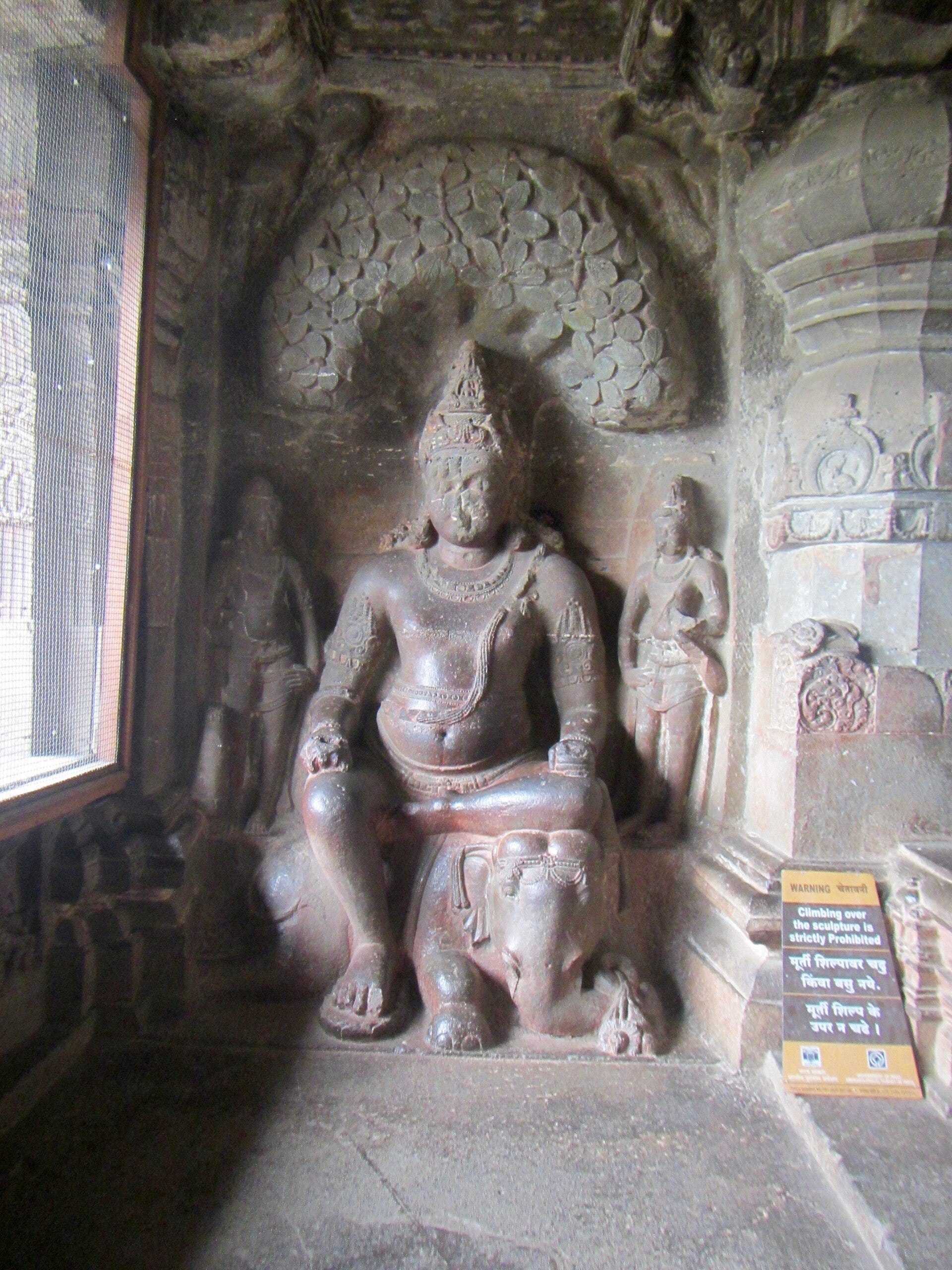
Kubera at the entrance of the Jaina caves, Ellora. Photo: Ms Sarah Welch, CC BY-SA 4.0

The Lakshmi mantras
The seed mantra. The simplest and most widely chanted:
ॐ श्रीं महालक्ष्म्यै नमः
Om Shreem Mahalakshmyai Namah
"Om, salutations to Mahalakshmi." Shreem is the beej, the seed sound associated with the goddess. Families often chant this 108 times on Diwali night, one round of the mala.
The Lakshmi Gayatri. For those who want a fuller invocation:
ॐ महालक्ष्मी च विद्महे, विष्णुप्रियायै धीमहि।
तन्नो लक्ष्मीः प्रचोदयात्॥
Om Mahalakshmi cha vidmahe, Vishnupriyayai dhimahi, tanno Lakshmih prachodayat.
"We contemplate Mahalakshmi, beloved of Vishnu; may Lakshmi inspire and guide us." It follows the same meditative pattern as the Gayatri mantra.
The Shri Sukta. The oldest and grandest praise of Lakshmi, a hymn of the Rig Veda tradition recited in many homes and temples on Diwali. It describes the goddess as golden, radiant, seated on the lotus, and asks not only for wealth but for cattle, grain, courage, fame and the welfare of the family. Many families play or recite it during the evening puja.Goddess Lakshmi, painted by Raja Ravi Varma in 1896. Public domain
The Kuber mantra
Lord Kuber, the treasurer of the gods, is worshipped alongside Lakshmi on Diwali and especially on Dhanteras, Friday, 6 November in 2026. His well-known mantra:
ॐ यक्षाय कुबेराय वैश्रवणाय, धनधान्याधिपतये, धनधान्यसमृद्धिं मे देहि दापय स्वाहा॥
Om Yakshaya Kuberaya Vaishravanaya, Dhanadhanyadhipataye, dhanadhanya samriddhim me dehi dapaya swaha.
"Salutations to Kuber, lord of the yakshas, son of Vishrava, master of wealth and grain; grant me abundance." Shops and business families often chant it before the new account books.
How tradition suggests you chant
Prepare the space. Clean the puja corner, light a ghee diya, and place flowers, yellow and red are dear to Lakshmi.
Sit facing east or north, on a clean aasan, after your evening bath.
Begin with Ganesha. Every auspicious start begins with the remover of obstacles: Om Gan Ganapataye Namah, a few times.
Chant with a mala. 108 repetitions of the chosen mantra is the traditional count, but tradition also values sincerity over arithmetic. Eleven calm repetitions offered with full attention are worth more than a hurried hundred.
Offer naivedya. Kheer, mishri or seasonal fruits are the customary offerings, shared afterwards as prasad.
A gentle caution
The mantras of Diwali night are acts of devotion and remembrance, not spells for summoning money. What they promise, tradition says, is a settled mind, a grateful heart and a home made worthy of blessing. The wealth that follows is the kind that stays.
Shubh Deepavali, from all of us at DharmikVibes.
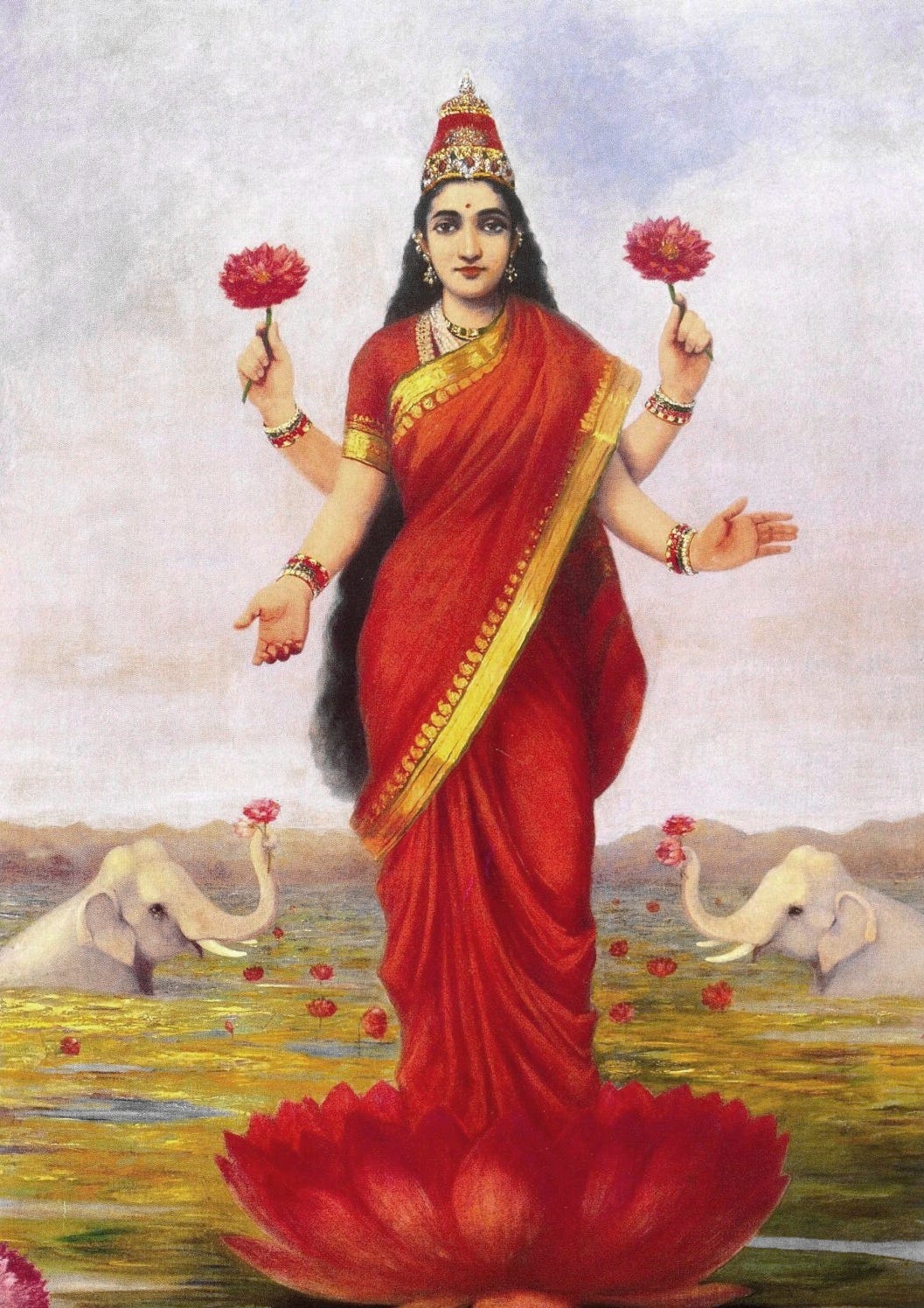
Goddess Lakshmi, 1896. Artwork: Raja Ravi Varma, public domain
