

Roads soften into pilgrim paths. Tents bloom overnight. Rivers begin to speak in overlapping sentences. During Magh Mela 2026, the city is no longer content being a place - it becomes a narrative space where gods, ascetics, tourists, bureaucrats, and boatmen all claim equal authorship.
What the Magh Mela offers is not merely a checklist of attractions, but a way of seeing. Prayagraj refuses simplification. It is ancient and administrative, mystical and logistical, chaotic yet astonishingly organized.
Triveni Sangam
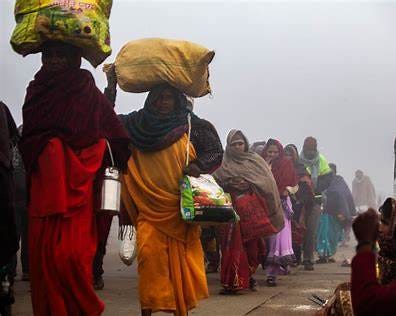
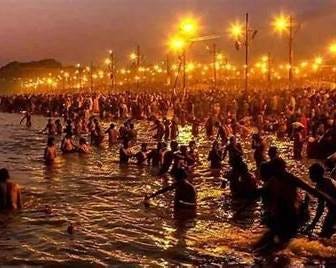
Every journey begins at the Triveni Sangam, where the Ganga, Yamuna, and the invisible Saraswati converge. This is not just a meeting of rivers, but of the seen and the imagined, the measurable and the mythic.
Boats ferry pilgrims into shallow waters where saffron-clad figures wade in with expressions suggesting they are cleansing not just bodies, but entire lifetimes. At sunrise, the Sangam is hushed and reverent. By noon, it becomes a carnival of devotion. As dusk approaches, make your way to Saraswati Ghat, where the evening aarti transforms ritual into choreography.
The Tent City
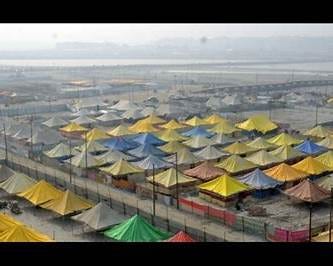
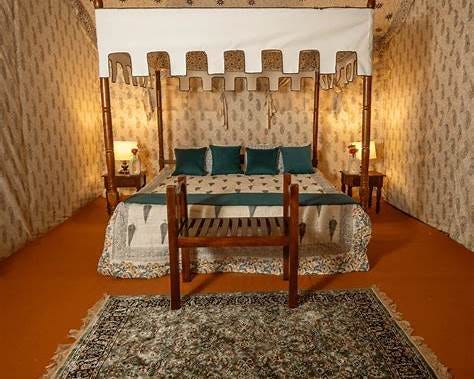
The Magh Mela’s temporary tent city, spread across the floodplains, is a feat of ephemeral urban planning. It contains everything: spiritual camps, mass kitchens, medical facilities, cultural stages, and the occasional luxury tent quietly announcing that even enlightenment appreciates hot water.
Wandering through the akharas feels like flipping through philosophical schools without footnotes. One camp is austere, another musical, another suspiciously Instagram-friendly. Sadhus debate metaphysics over tea, tourists ask earnest questions, and somewhere a loudspeaker announces a discourse you didn’t know you needed.
Allahabad Fort
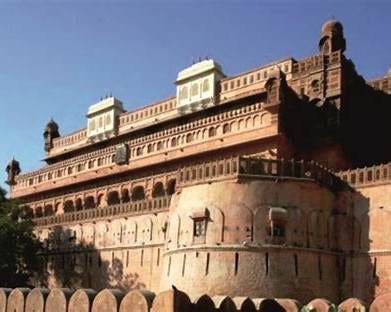
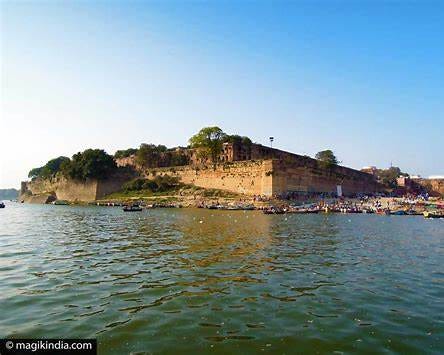
Built by Emperor Akbar, Allahabad Fort stands with imperial patience near the Sangam, watching centuries drift past. Inside, the Ashoka Pillar rises with ancient confidence.
From the fort’s vantage point, the riverbanks appear crowded with humanity, and history compresses itself. Mauryas, Mughals, British officers, and modern pilgrims seem to occupy the same paragraph.
Bade Hanuman Ji Mandir
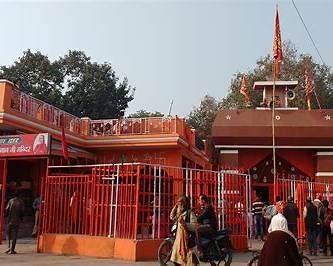
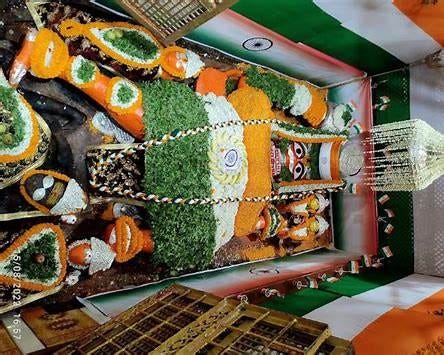
Close to the Sangam stands Bade Hanuman Ji Mandir, home to a rare reclining idol of Lord Hanuman. Unlike most Hanuman temples, the deity here lies in a state of yogic rest, symbolising surrender rather than strength alone.
During Magh Mela, the temple becomes a steady counterpoint to the vastness outside. Pilgrims line up patiently, many stopping here before or after their ritual dip. The belief is simple and enduring: a visit to the Sangam feels incomplete without seeking Hanuman’s blessings. When the Ganga rises, devotees say the idol accepts the river’s touch as prasad—a quiet merging of god and geography.
Anand Bhavan
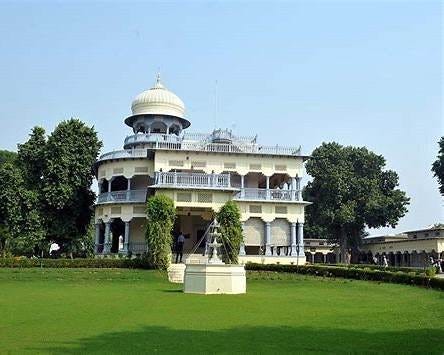
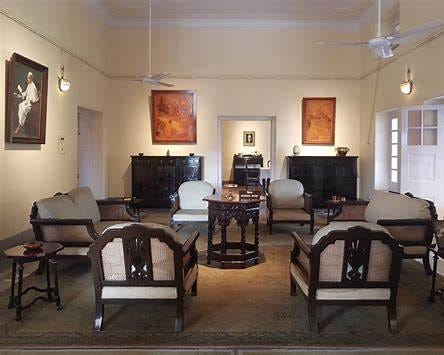
A short journey away lies Anand Bhavan, the Nehru family home turned museum. Amid the spiritual fervour of the mela, this space offers a different kind of pilgrimage - the secular faith of freedom, debate, and nation-building.
Outside, pilgrims seek moksha. Inside, photographs and preserved rooms tell stories of political idealism and compromise, reminding visitors that modern India, too, was shaped by belief—of another kind.
Local Bazaars
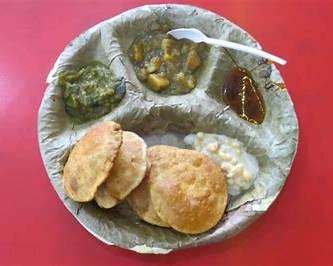
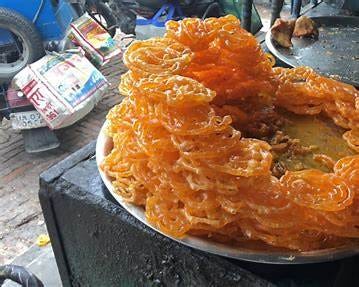
No travel feature is complete without eating, and Prayagraj during Magh Mela feeds both body and curiosity.
Wander through markets near Civil Lines or around the mela grounds, where stalls sell everything from rudraksha beads to jalebis hot enough to cause momentary enlightenment. Try the kachori-sabzi. Drink hot chai poured with casual generosity.
Why Magh Mela Matters
In Prayagraj, rivers remember gods, tents become temples, politics shares air with prayer, and millions gather without asking who is in charge of meaning.
Magh Mela 2026 is not simply a festival you attend. It is a temporary civilization you step into - and leave slightly altered when you step out.