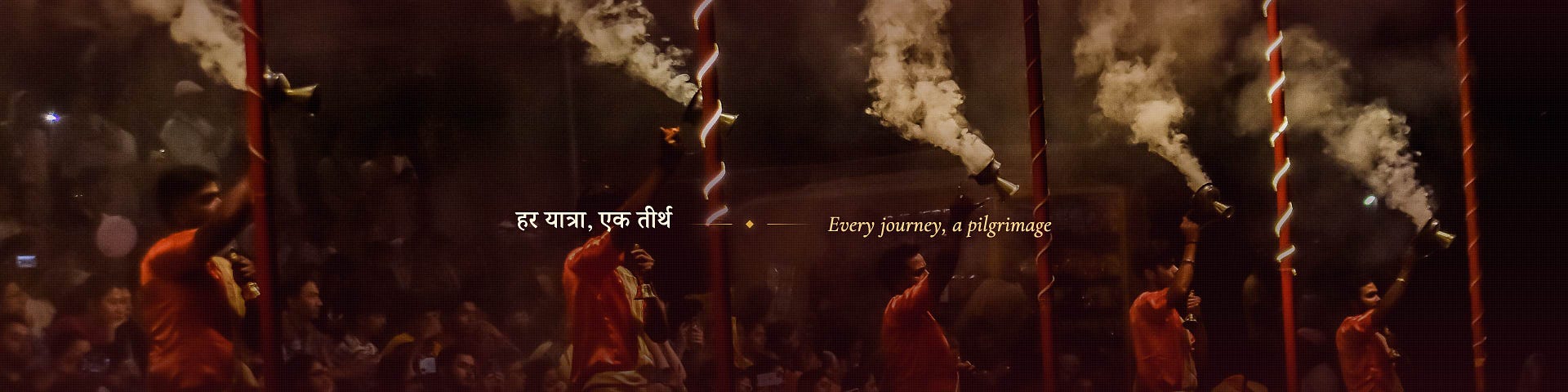


Once a year, on the darkest night of Phalguna, the entire Shaiva world stays awake. Maha Shivaratri, the great night of Shiva, is the night tradition describes as the convergence of Shiva and Shakti: the night of the divine marriage, the night the Tandava was danced, the night the Linga first appeared as an infinite pillar of light.
In 2027, Maha Shivaratri falls on Saturday, 6 March 2027, Chaturdashi tithi of Krishna Paksha in the month of Phalguna, with the night of worship running into the early hours of 7 March.
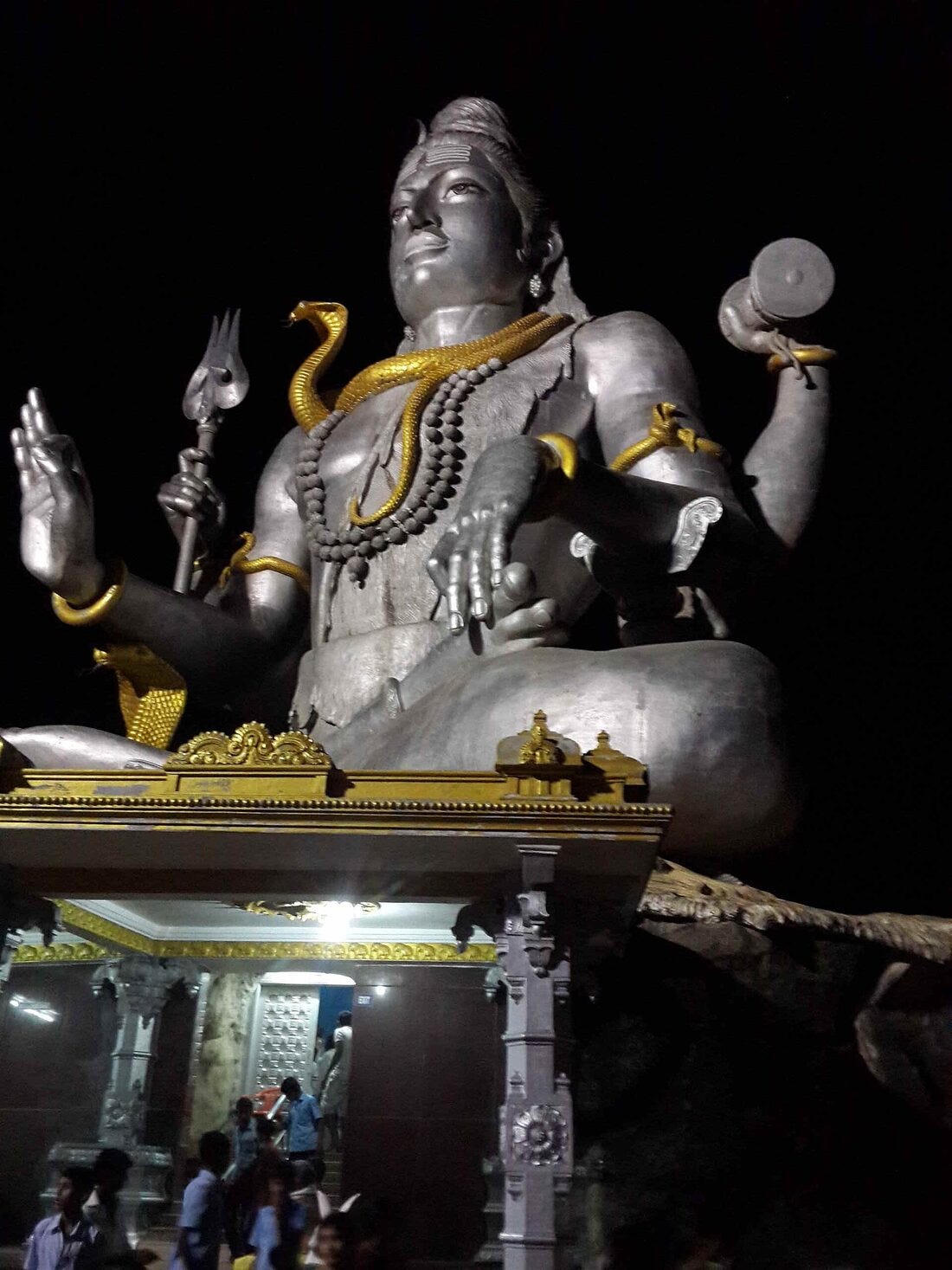

The muhurat
The most sacred window is Nishita Kaal, the eighth muhurta of the night, roughly midnight: about 12:07 AM to 12:57 AM on the night of 6-7 March 2027 (New Delhi). Devotees who keep the full night divide it into four prahars, performing abhishekam and puja in each. The vrat is broken (parana) on the morning of 7 March after sunrise, within the parana window, roughly 6:40 AM onward; check your local panchang for city timings.
That Shivaratri falls on a Saturday this year adds a resonance many devotees will note: Shani, Saturday’s lord, is himself a worshipper of Shiva, and the night is considered especially potent for those under Sade Sati or Shani periods who seek Shiva’s shelter.
The vrat
The Shivaratri fast is one of the strictest and most kept vrats of the year. Three grades are observed: the full nirjala fast without water for the able; the phalahara fast of fruits, milk, and vrat foods like sabudana, singhara and kuttu; and the single sattvic meal after the evening puja for those who cannot fast fully. The fast begins at sunrise on 6 March after bath and sankalpa, and no rice, wheat, or lentils are taken. Bel (bilva) leaves, bhaang-free prasad, and the night’s vigil complete the discipline.
The worship: abhishekam and bilva
At the heart of the night is the Shiva Linga abhishekam: the continuous bathing of the Linga with water, milk, curd, honey, ghee and sugar (the panchamrit), offered with the chant of “Om Namah Shivaya” and the Rudram. Three-leafed bilva patra, each trio said to represent the three eyes of Shiva, are placed on the Linga one by one. Dhatura, bael fruit, white flowers and akshat follow. Many devotees chant the Maha Mrityunjaya mantra through the night, or sit in meditation, because Shivaratri is as much an inner night as an outer one: the stilling of the mind’s movement into the awareness Shiva represents.
Where the night is greatest
Every Shiva temple keeps the vigil, but some nights are legendary. The twelve Jyotirlingas draw their largest crowds of the year: Kashi Vishwanath, Somnath, Mahakaleshwar (where the Bhasma Aarti of Shivaratri morning is beyond description), Trimbakeshwar, Rameshwaram, Kedarnath’s winter seat at Ukhimath, and the rest. The Isha Yoga Center in Coimbatore hosts one of the world’s largest all-night gatherings. Mandi’s international Shivaratri fair and Srisailam’s Brahmotsavam-like night are festivals unto themselves.
A simple home observance
You need no temple to keep Shivaratri. Fast as you are able. In the evening, bathe a picture or small Linga of Shiva with water and milk, offer bilva leaves if you can find them (any clean leaf offered with devotion suffices), light a lamp, and chant “Om Namah Shivaya” for a while. Stay up as late as you can, keeping the mind in Shiva. If you wake for Nishita Kaal at midnight, one abhishekam in that window carries the whole night. Break the fast on Sunday morning with something simple and sattvic.
At DharmikVibes, our vision is to enable Divine Experiences for every seeker, on every yatra. May the great night of Shiva bring stillness to your home. Har Har Mahadev.