
Maha Shivratri 2026: The Ten Most Powerful Shiva Temples to Visit for the Great Night of Awakening

Maha Shivratri, falling on 15 February 2026, is not merely a festival in the Hindu tradition; it is a cosmic night of spiritual awakening, a time when the energies of Lord Shiva are believed to be most accessible to human consciousness. Unlike other festivals marked by celebration and outward joy, Maha Shivratri is defined by silence, fasting, vigilance, and inner transformation.
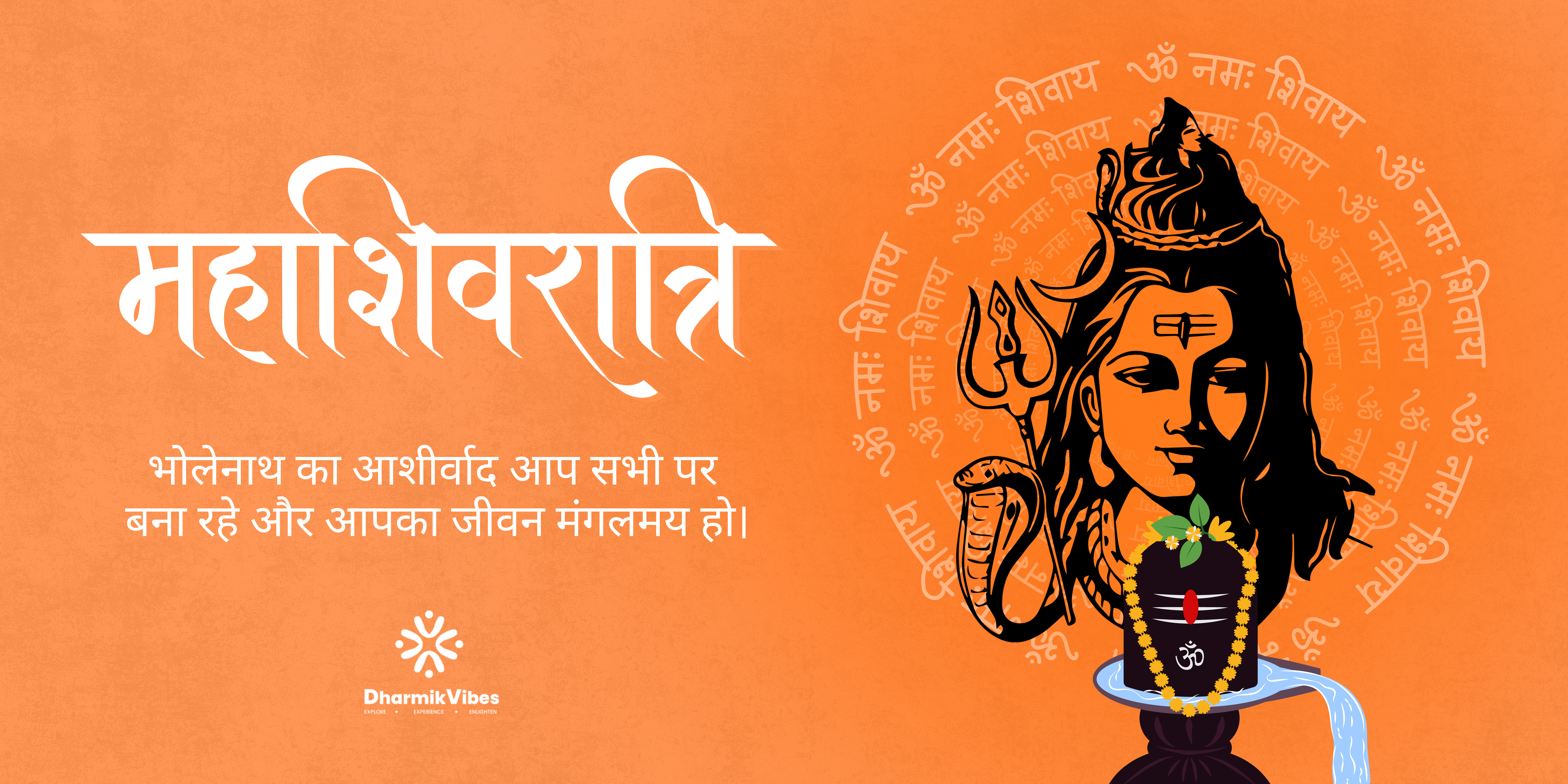
The Shiva Purana and Linga Purana describe Maha Shivratri as the night when the veil between the material and spiritual worlds becomes thin, allowing sincere seekers to dissolve ego, karmic burdens, and ignorance. On this night, Shiva is worshipped not merely as a deity, but as pure consciousness, the still center of existence.
While Maha Shivratri can be observed anywhere, certain sacred temples act as energy anchors, amplifying the spiritual impact of prayer, mantra, and meditation. Visiting these temples on Shivratri is considered exceptionally powerful, as each represents a unique dimension of Shiva’s cosmic form.
1. Kashi Vishwanath, Varanasi – The Gateway to Liberation
Kashi Vishwanath stands at the spiritual heart of Sanatana Dharma. According to the Skanda Purana, Kashi is the eternal city where Lord Shiva resides permanently. It is believed that Shiva himself whispers the Taraka Mantra into the ears of those who leave their body here, granting liberation from the cycle of rebirth.
On Maha Shivratri, Varanasi transforms into a living Shiva mandala. The entire city remains awake through the night, with continuous abhishek, mantra chanting, and procession. The energy of this night in Kashi is considered unmatched, making it the most powerful place for seekers of moksha.
This temple is especially recommended for those seeking spiritual release, closure of karmic cycles, and ancestral peace.
2. Mahakaleshwar, Ujjain – Shiva as the Lord of Time
Mahakaleshwar Jyotirlinga is unique as the only south-facing Jyotirlinga, representing Shiva as Mahakala, the one who governs time and death. Ujjain itself is one of the seven Moksha Puris, and Mahakaleshwar is deeply connected with tantric traditions and time-based karma.
Maha Shivratri at Mahakaleshwar is intense and transformative. The famous Bhasma Aarti, performed with sacred ash, symbolizes the ultimate truth of impermanence. Devotees believe that sincere worship here can dissolve fear of death, delays, and Saturn-related suffering.
This temple is particularly powerful for those experiencing fear, stagnation, depression, or heavy karmic burdens.
3. Kedarnath (Winter Worship at Ukhimath) – Shiva of Penance
Kedarnath Jyotirlinga represents Shiva as the lord of tapasya and renunciation. Though the physical temple remains closed in February due to snow, the deity is worshipped at Ukhimath, making Shivratri worship spiritually valid and deeply potent.
Kedarnath’s energy is inward and austere. Shivratri connected to Kedarnath is ideal for serious sadhaks, monks, and seekers who wish to let go of attachments and ego-driven identity.
This shrine is best suited for those seeking inner purification, humility, and long-term spiritual growth.
4. Somnath, Gujarat – The Eternal Jyotirlinga
Somnath is revered as the first Jyotirlinga and symbolizes Shiva’s indestructible nature. Despite repeated destruction throughout history, the temple has always risen again, representing resilience, renewal, and divine continuity.
Maha Shivratri at Somnath carries a powerful message of rebirth. The ocean-facing temple, combined with night-long worship, creates a deeply purifying experience.
This temple is especially beneficial for those recovering from loss, emotional trauma, or major life upheavals.
5. Baidyanath Dham, Deoghar – Shiva the Divine Healer
Baidyanath Jyotirlinga is worshipped as Vaidyanath, the celestial physician. According to legend, Ravana worshipped Shiva here seeking healing and immortality.
On Maha Shivratri, special healing abhisheks are performed, and devotees pray for physical, mental, and emotional well-being. The atmosphere is devotional yet compassionate.
This temple is ideal for those facing chronic illness, mental stress, or long-standing suffering.
6. Arunachaleswarar, Tiruvannamalai – Shiva as Fire and Light
Arunachaleswarar represents Shiva as the Agni (fire) element among the Pancha Bhoota Sthalas. The Arunachala hill itself is considered Shiva in physical form.
Maha Shivratri here is marked by Girivalam, the circumambulation of the sacred hill, often performed throughout the night. This act is considered equivalent to years of meditation.
This temple is especially powerful for those seeking ego dissolution, self-realization, and enlightenment.
7. Trimbakeshwar, Nashik – The Jyotirlinga of Ancestral Liberation
Trimbakeshwar is unique in housing the presence of Brahma, Vishnu, and Shiva together. It is also closely associated with Pitru Dosha remedies and the origin of the Godavari River.
Maha Shivratri worship here is highly effective for ancestral healing, family harmony, and resolving generational obstacles.
This temple is recommended for those facing repeated family issues, lineage-related struggles, or unexplained blocks.
8. Omkareshwar, Madhya Pradesh – Shiva as the Primordial Sound
Situated on the sacred Narmada River, Omkareshwar represents Shiva as Omkar, the cosmic vibration from which creation arises.
Maha Shivratri here blends mantra, river energy, and deep devotion. Night parikrama of the island is considered extremely auspicious.
This temple is ideal for seekers of mental peace, mantra siddhi, and inner balance.
9. Grishneshwar, Ellora – Completion of the Jyotirlinga Journey
Grishneshwar is the last of the twelve Jyotirlingas and symbolizes completion and fulfillment. The atmosphere here is quieter compared to other Jyotirlingas, allowing deeper contemplation.
Observing Maha Shivratri here is ideal for those who prefer solitude, reflection, and spiritual maturity.
10. Srikalahasti, Andhra Pradesh – Shiva as Breath and Prana
Srikalahasti represents the Vayu (air) element, closely associated with breath, prana, and life force. It is renowned for Rahu–Ketu and Kaal Sarpa remedies.
Maha Shivratri worship here is especially effective for releasing anxiety, confusion, and karmic knots related to direction and purpose.
This temple is best suited for those experiencing restlessness, fear, or planetary afflictions.
Maha Shivratri 2026: A Sacred Pilgrimage Itinerary for the Great Night of Shiva
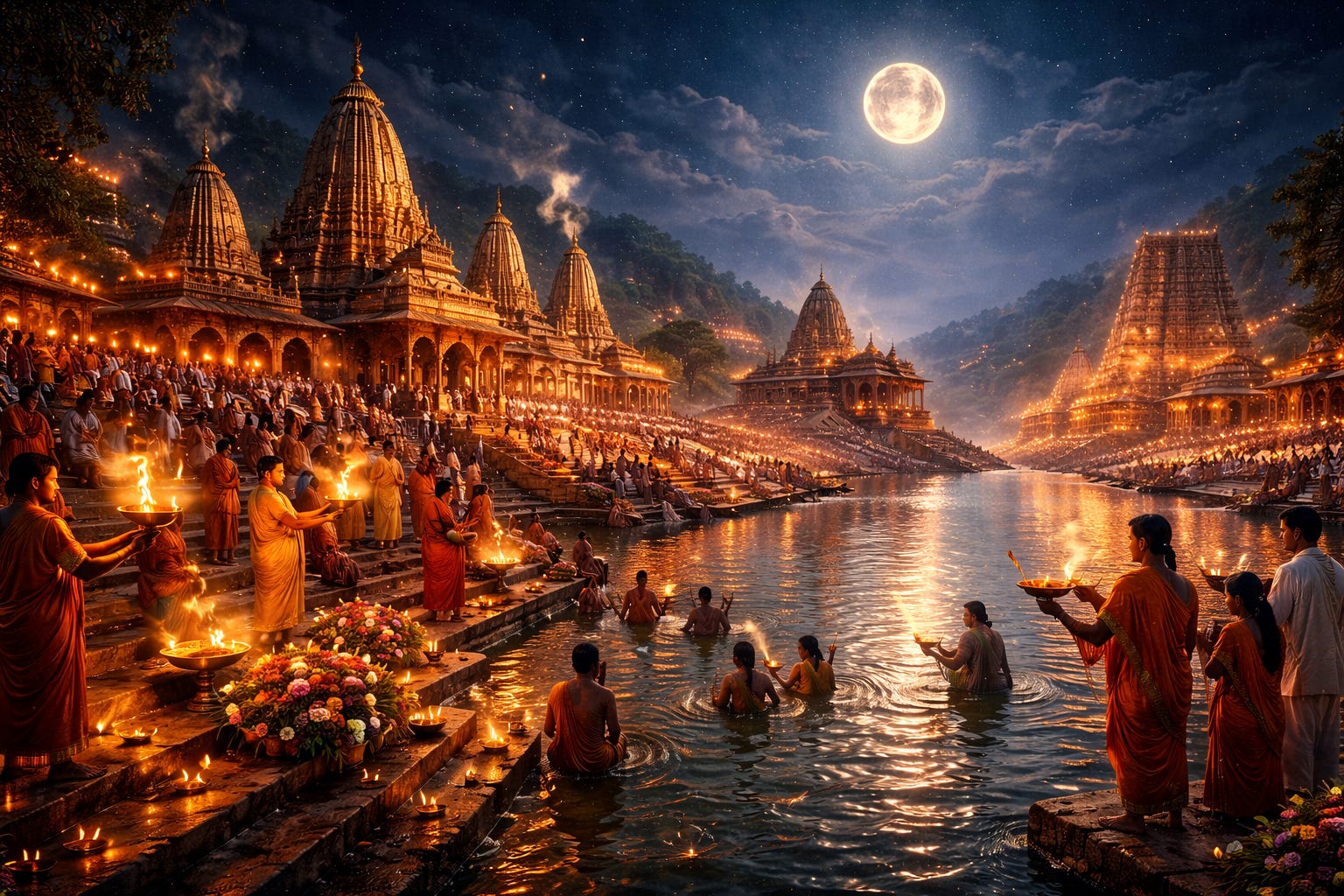
Maha Shivratri is not a single day; it is a spiritual journey. Scriptures describe Shivratri as a time when Shiva’s energy descends inward, calling the seeker toward stillness, discipline, and awakening. A pilgrimage undertaken during this period is not tourism- it is tapasya in motion.
The following itineraries are designed so that the pilgrim arrives at the main temple already purified, observes the Shivratri night in the most potent manner, and returns grounded rather than exhausted.
HOW TO PREPARE FOR A SHIVRATRI PILGRIMAGE (IMPORTANT)
Begin preparation 3–5 days before travel.
Spiritual preparation:
Gradually shift to sattvic food
Reduce speech, digital distraction, and indulgence
Begin chanting Om Namah Shivaya daily (minimum 108 times)
Physical preparation:
Light meals
Adequate rest
Comfortable clothing suitable for night vigil
Mental intention:
Do not carry worldly expectations
Carry one sankalp (clear inner intention)
A Shivratri yatra works only when the pilgrim arrives empty, not demanding.
ITINERARY OPTION 1: 3-DAY CORE SHIVRATRI PILGRIMAGE
For working professionals or short-duration travelers
Day 1: Arrival and Purification
Recommended cities: Varanasi, Ujjain, Nashik, or Tiruvannamalai
Activities:
Reach destination by afternoon
Visit river or temple tank for symbolic purification
Perform light temple darshan only (no crowd struggle)
Evening silence, early rest
Spiritual purpose:
This day is for detox, grounding, and withdrawal from normal life.
Day 2: Maha Shivratri – The Night of Awakening
Date: 15 February 2026
Morning:
Begin Shivratri vrat (nirjala if capable, otherwise fruit/milk)
Minimal speech
Visit temple briefly in the morning to set inner alignment
Evening to night:
Enter temple or sacred space before sunset
Observe four Prahar Shiva Puja (or mentally align with them)
Chant Om Namah Shivaya continuously
Stay awake as long as possible, even if quietly seated
Midnight:
Sit silently for 10–15 minutes
Do not ask for anything
Simply witness breath and awareness
Spiritual purpose:
This night is about ego dissolution, not ritual perfection.
Day 3: Completion and Return
Morning:
Break fast gently after sunrise
Offer gratitude prayer
Avoid rushing back into normal activity
Spiritual purpose:
Shivratri energy must be absorbed, not wasted.
ITINERARY OPTION 2: 5-DAY JYOTIRLINGA SHIVRATRI YATRA
For serious devotees and pilgrims
Day 1: Haridwar or Nashik
River snan
Simple Shiva puja
Begin inner restraint
Day 2: Travel to Main Jyotirlinga
Options:
Varanasi – Kashi Vishwanath
Ujjain – Mahakaleshwar
Nashik – Trimbakeshwar
Tiruvannamalai – Arunachaleswarar
Focus: travel in silence, minimal interaction
Day 3: Maha Shivratri Night
Full vrat
Temple vigil
Night-long mantra and awareness
Day 4: Rest and Integration
No temple hopping
Journaling, walking, silence
Day 5: Departure
Return slowly, avoiding overstimulation
Spiritual purpose:
This itinerary balances intensity with assimilation.
ITINERARY OPTION 3: 9-DAY GRAND SHIVRATRI PILGRIMAGE
For seekers, sadhaks, and life-reset journeys
Days 1–2: River Purification
Haridwar / Prayagraj / Nashik
Snan, charity, silence
Days 3–4: Secondary Shiva Kshetra
Options:
Omkareshwar
Baidyanath Dham
Srikalahasti
Purpose: remove planetary and karmic blocks
Days 5–6: Main Shivratri Temple
Choose one:
Kashi Vishwanath (moksha)
Mahakaleshwar (time & fear)
Arunachaleswarar (enlightenment)
Day 6 night is Maha Shivratri
Days 7–8: Integration Phase
Stay nearby
No heavy rituals
Walk, reflect, rest
Day 9: Completion and Return
Spiritual purpose:
This journey works on body, mind, karma, and awareness together.
WHICH TEMPLE SHOULD YOU CHOOSE FOR SHIVRATRI?
Choose one primary temple, not many.
For liberation & closure → Kashi Vishwanath
For fear, Saturn, delays → Mahakaleshwar
For ego dissolution & awakening → Arunachaleswarar
For ancestral issues → Trimbakeshwar
For health & healing → Baidyanath Dham
For Rahu-Ketu, anxiety → Srikalahasti
Shivratri rewards depth, not variety.
COMMON MISTAKES TO AVOID ON SHIVRATRI YATRA
Temple-hopping for selfies
Overeating after fast
Sleeping through the night
Arguing or complaining
Treating Shivratri as a festival instead of a sadhana
Choosing the Right Temple for Your Shivratri Sadhana
Maha Shivratri 2026 offers a rare spiritual opportunity. Each temple represents a different doorway into Shiva consciousness - liberation, healing, discipline, renewal, or awakening.
The essence of Shivratri is not travel alone, but intent. Whether one spends the night at a Jyotirlinga or in silent prayer at home, Shiva responds to sincerity, restraint, and awareness.
For those who choose pilgrimage, these ten temples stand as the most powerful sanctums where time pauses, ego dissolves, and consciousness turns inward, aligning the seeker with the eternal stillness of Lord Shiva.
A Shivratri pilgrimage is successful not by how many temples you visit, but by how much ego you leave behind.
If even for a few moments on Shivratri night the mind becomes still, the journey has succeeded - whether in Kashi, a mountain temple, or a quiet room at home.