

Every year, thousands of families living abroad make the journey back to India not for a wedding or a holiday, but for a yatra: a first darshan at Tirupati with the children, a long-promised trip to Kashi with ageing parents, a Char Dham circuit that has been discussed at every family gathering for a decade. If you grew up outside India, or left years ago, the idea is simple and the logistics are not. This guide is for the first-timer planning a pilgrimage from abroad.
The good news is that the machinery of a yatra has never been easier to arrange from overseas. Visas are applied for online, trains and temple darshans are booked on official portals, and UPI payments now work on international numbers. What still needs planning is judgment: when to come, how much to attempt in one visit, and how to travel in a way that keeps the journey a pilgrimage and not an ordeal.
What follows is the practical sequence we would give a friend: the seasons, the paperwork, choosing the yatra itself, booking from abroad, life on the ground, and the questions every first-timer asks.
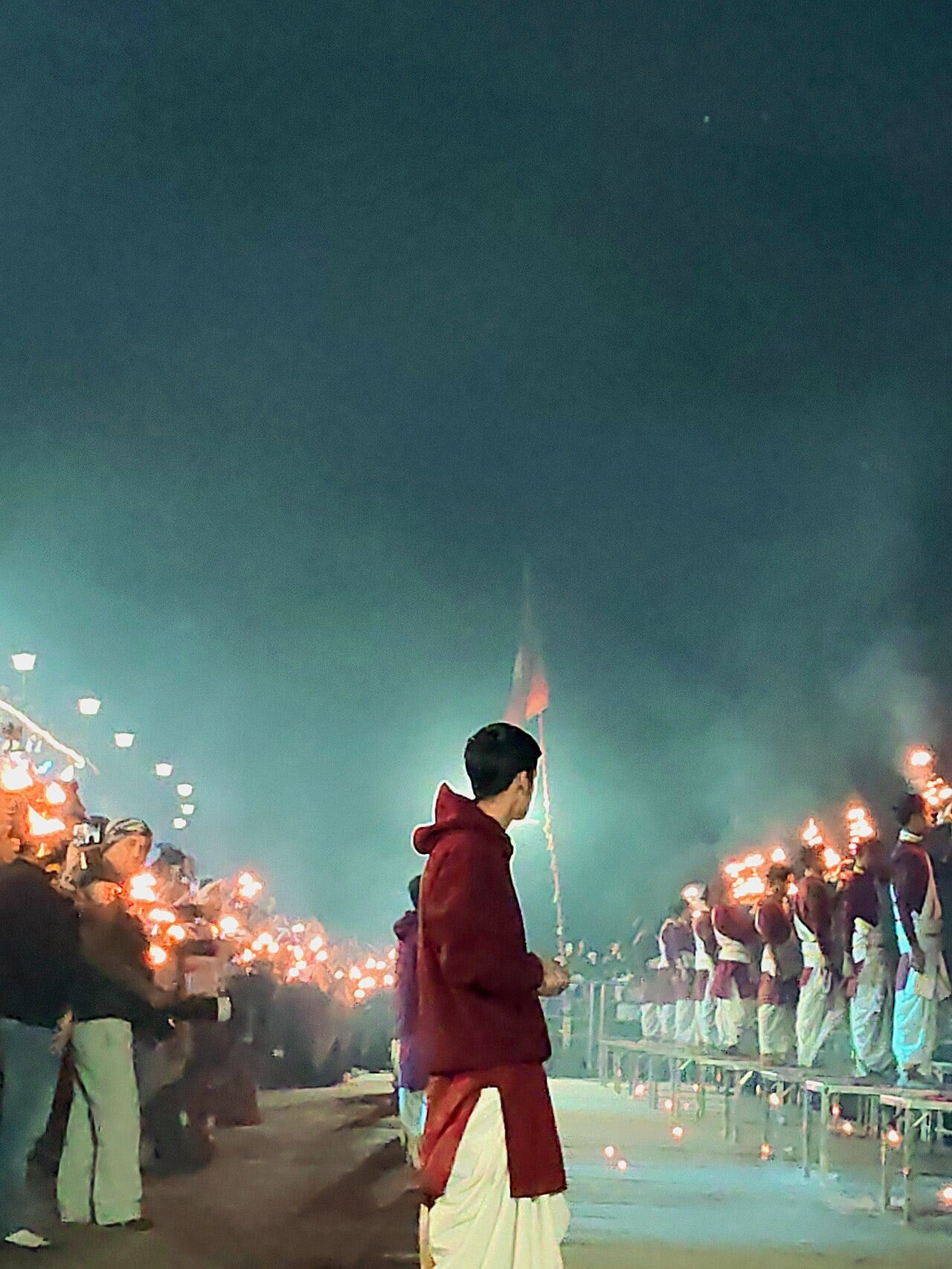

When to come
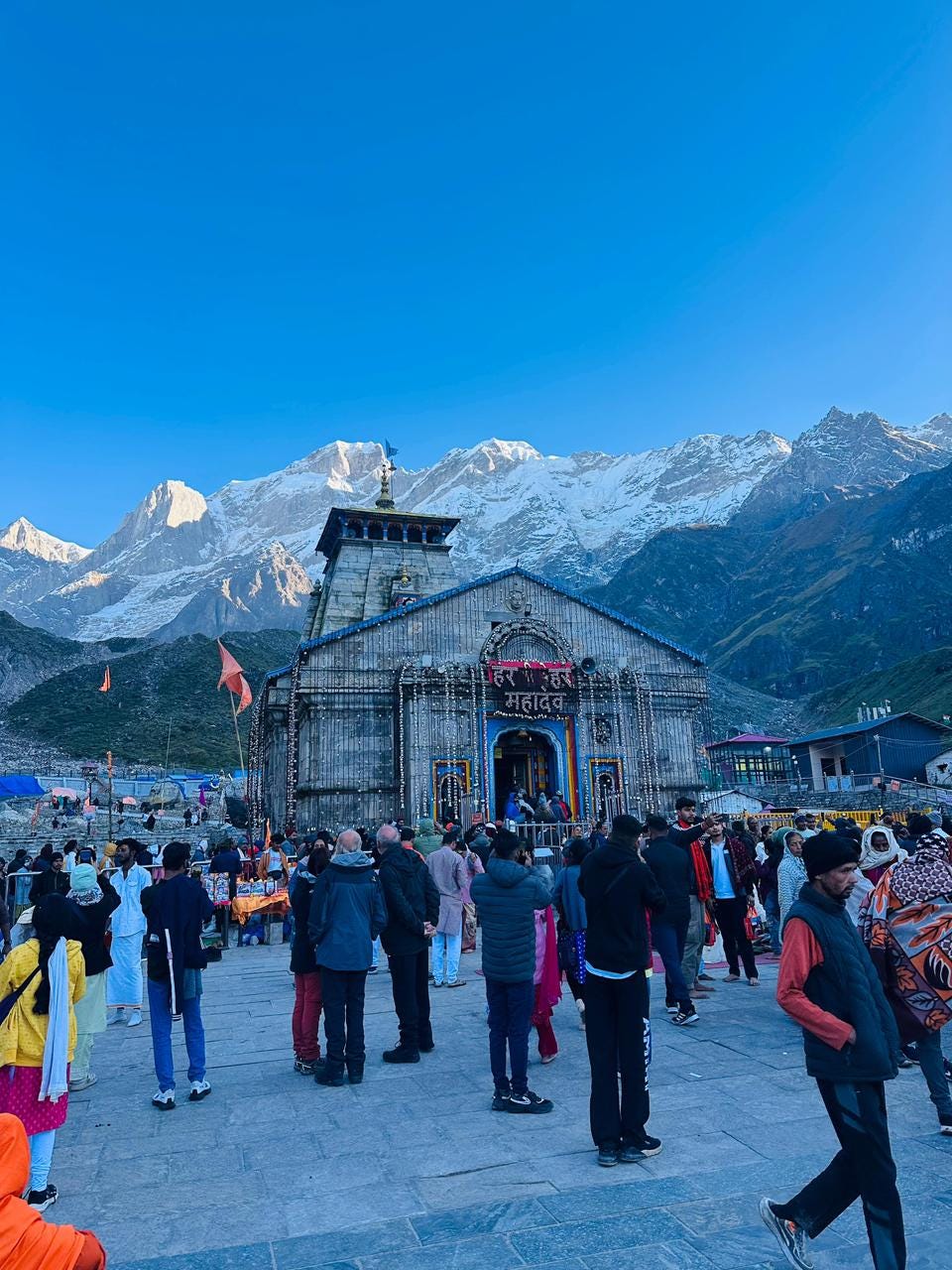
For most of India's great yatras, the pleasant window runs from October to March. The plains are cool, the south is dry and warm rather than fierce, and the big festival season fills the calendar. Summer, April to June, is harsh on the plains but is the only time the high Himalayan shrines open: Kedarnath, Badrinath and the other mountain dhams welcome pilgrims roughly from May to October or November, closing with the first snows. The monsoon, July to September, is beautiful and uncrowded but brings rain, leeches on hill tracks, and occasional disruption in the mountains.
Two festival considerations matter. If your family wants the atmosphere of a great occasion, time the visit around one: Diwali in Kashi, the winter mela season at Prayagraj or Gangasagar, Navratri at Vaishno Devi. But know that festival days multiply crowds and queues many times over, and prices for rooms and trains climb with them. If this is a first yatra with elderly parents or small children, an ordinary week in the season is often the kinder choice: shorter queues, easier darshan, and space to breathe.
Whatever you choose, bookend the yatra with a quiet day on each side. Land, rest, and let everyone adjust before the first temple morning, and keep the last day free before the flight home. The jet lag is real, and darshan at dawn comes early.

Papers first: visa, OCI and documents
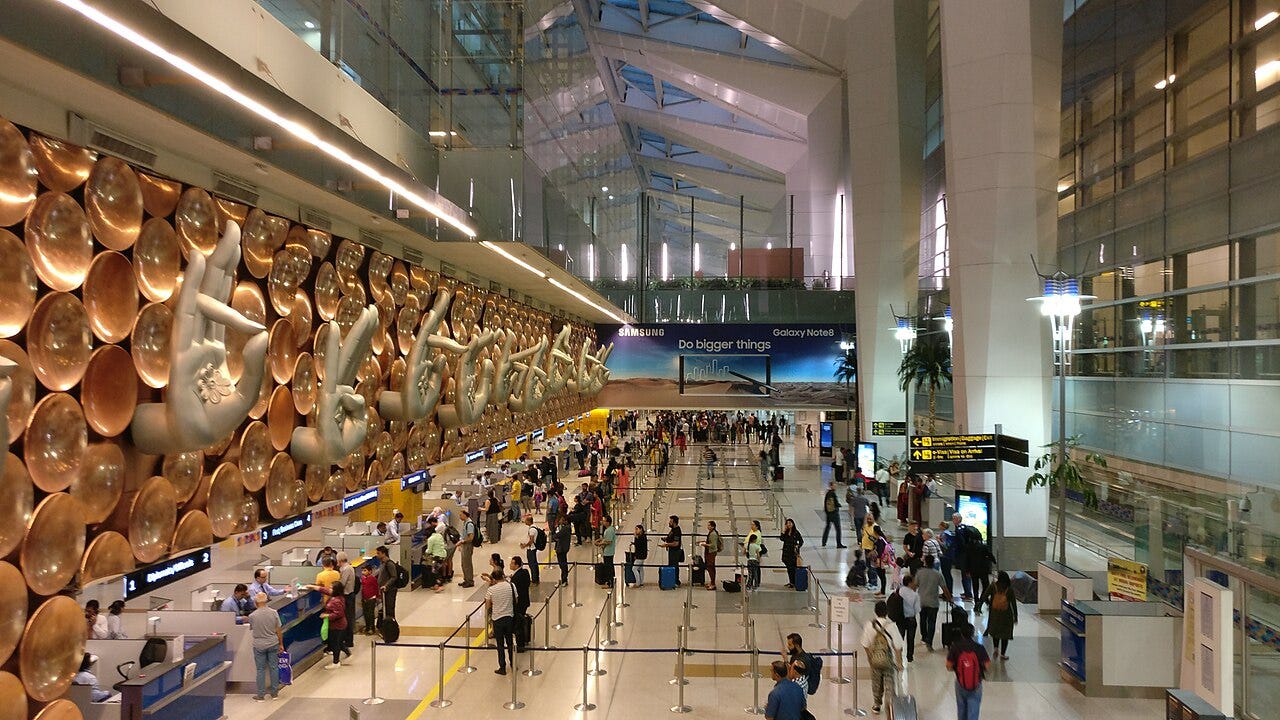
If you hold an OCI card, you need no visa: carry the OCI booklet and your current passport, and keep both valid. Everyone else travelling on a foreign passport needs an Indian visa, and for most visitors the e-Tourist visa is the simple route. It is applied for entirely online on the Government of India's own visa portal, currently comes in one-month, one-year and five-year forms, and is open to nationals of well over a hundred and fifty countries. Apply at least a week or two before you fly to leave a comfortable margin, even though approvals are often quicker.
A few rules trip people up. Your passport should be valid for at least six months beyond your arrival. The e-visa is granted as an electronic travel authorisation that you print and present on arrival, where the visa itself is stamped into the passport. And the one-month visa is just that, so match the visa to the length of your yatra, and to any side visits to family.
Carry printed copies of everything: the visa authorisation, hotel and train bookings, and the photo page of each passport. Keep a set of photographs of these documents in everyone's phone as well. Temple towns are not the place to be hunting for a booking reference on a patchy connection.

Choosing your yatra
The single most common first-timer mistake is attempting too much. A map of India's sacred geography invites grand plans, but temple towns involve early mornings, queues, heat, and long drives on hill roads. For a first yatra of one to two weeks, choose either one great shrine done unhurriedly, or one compact circuit in a single region.
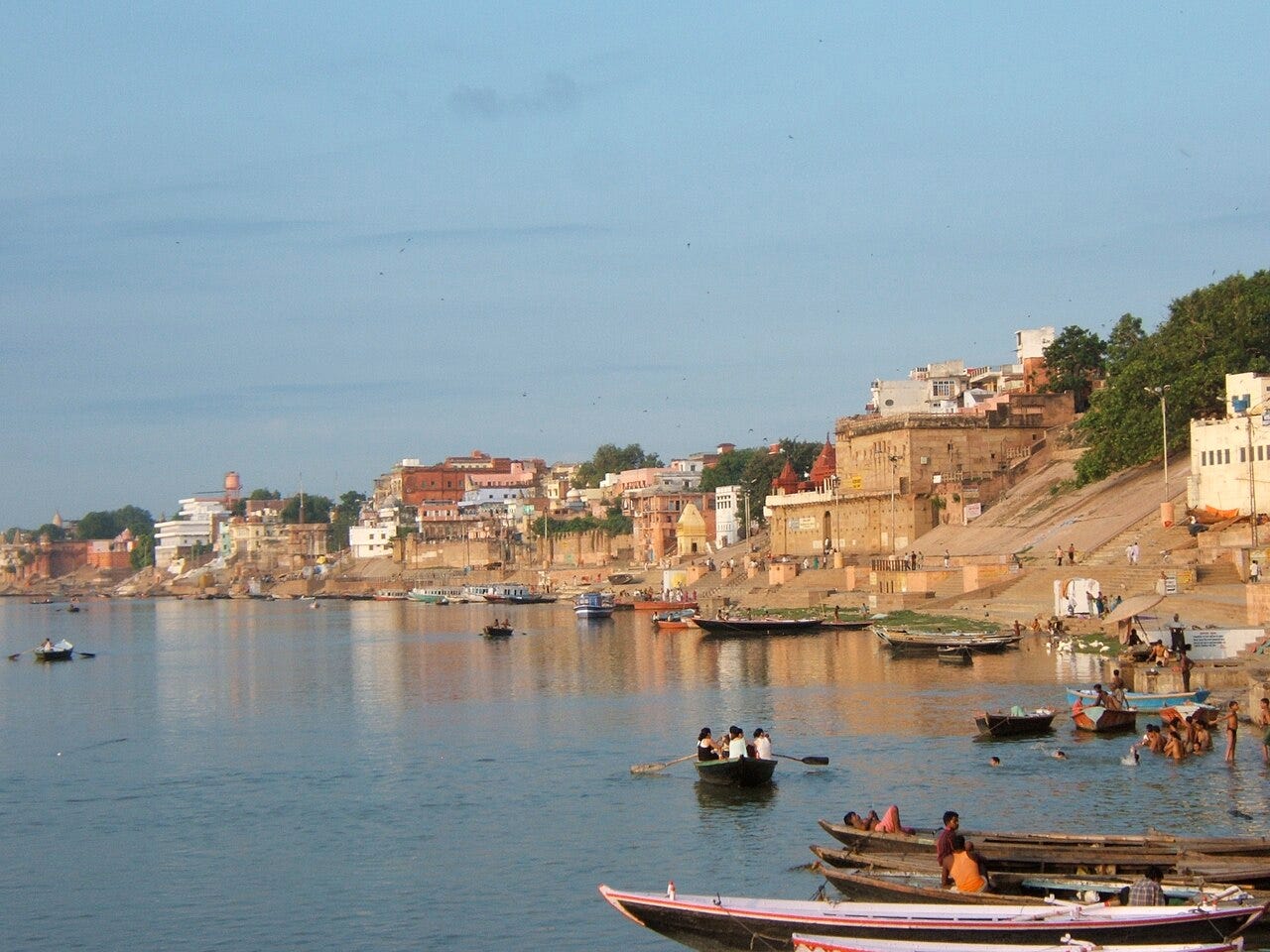
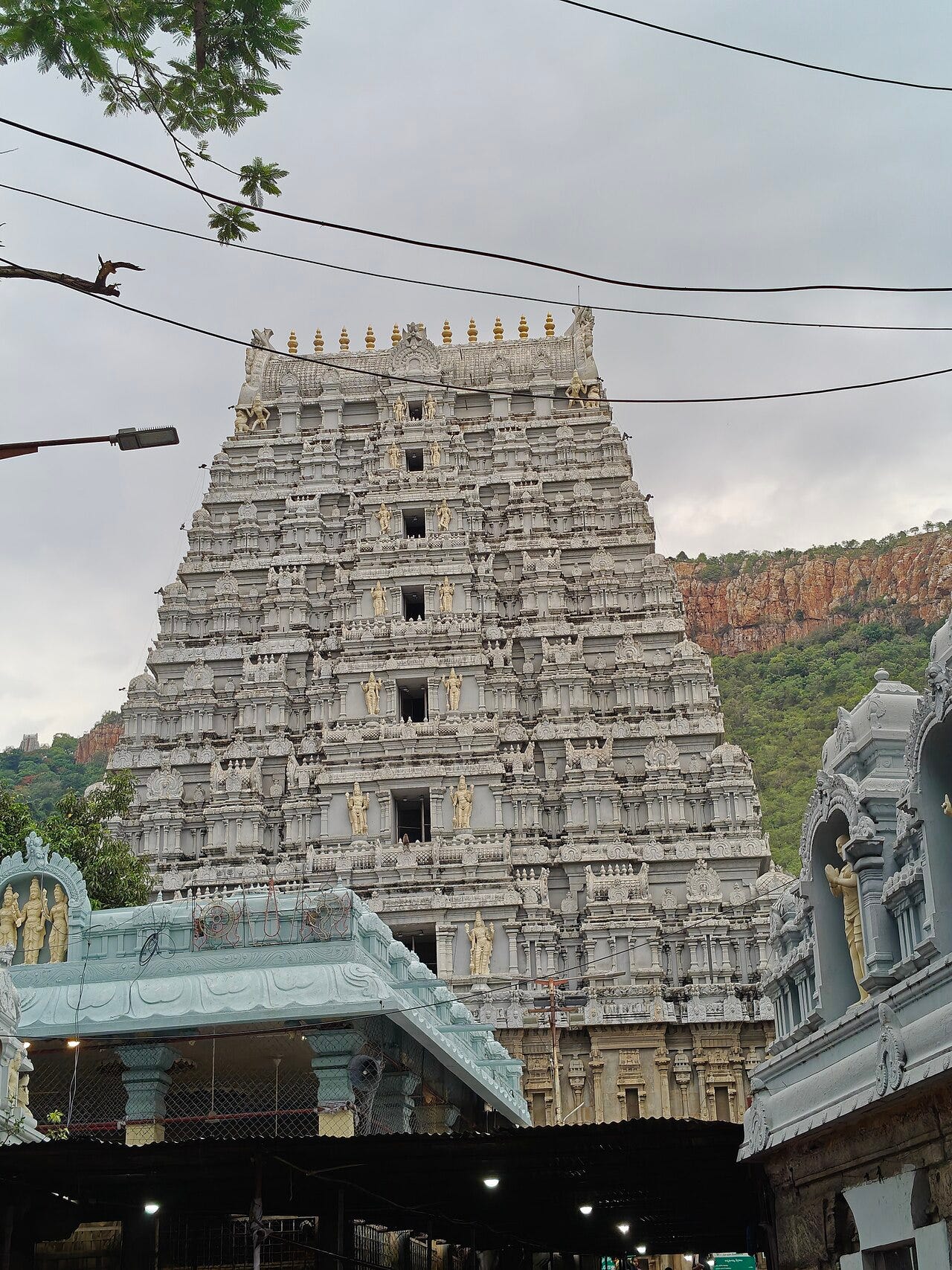
Single-anchor yatras suit families with elders or young children: Tirupati with a few days around it, Vaishno Devi from Jammu, Shirdi from Mumbai, or three or four days in Kashi. Compact circuits suit the more energetic: the Ashtavinayak around Pune, the Aarupadai Veedu around Chennai, or the Jyotirlingas of one state. A full Char Dham or an all-India Jyotirlinga sweep is a wonderful ambition and a poor first trip; it rewards travellers who already know how India moves.
When you choose, weigh the travellers before the temples. How well do the elders walk, and how do the children handle queues? Is anyone affected by altitude, which rules out or slows the Himalayan dhams? Build the itinerary around the slowest member of the party, and keep one free day in every three or four for rest, weather, or a second darshan that everyone wants to repeat.

Booking from abroad
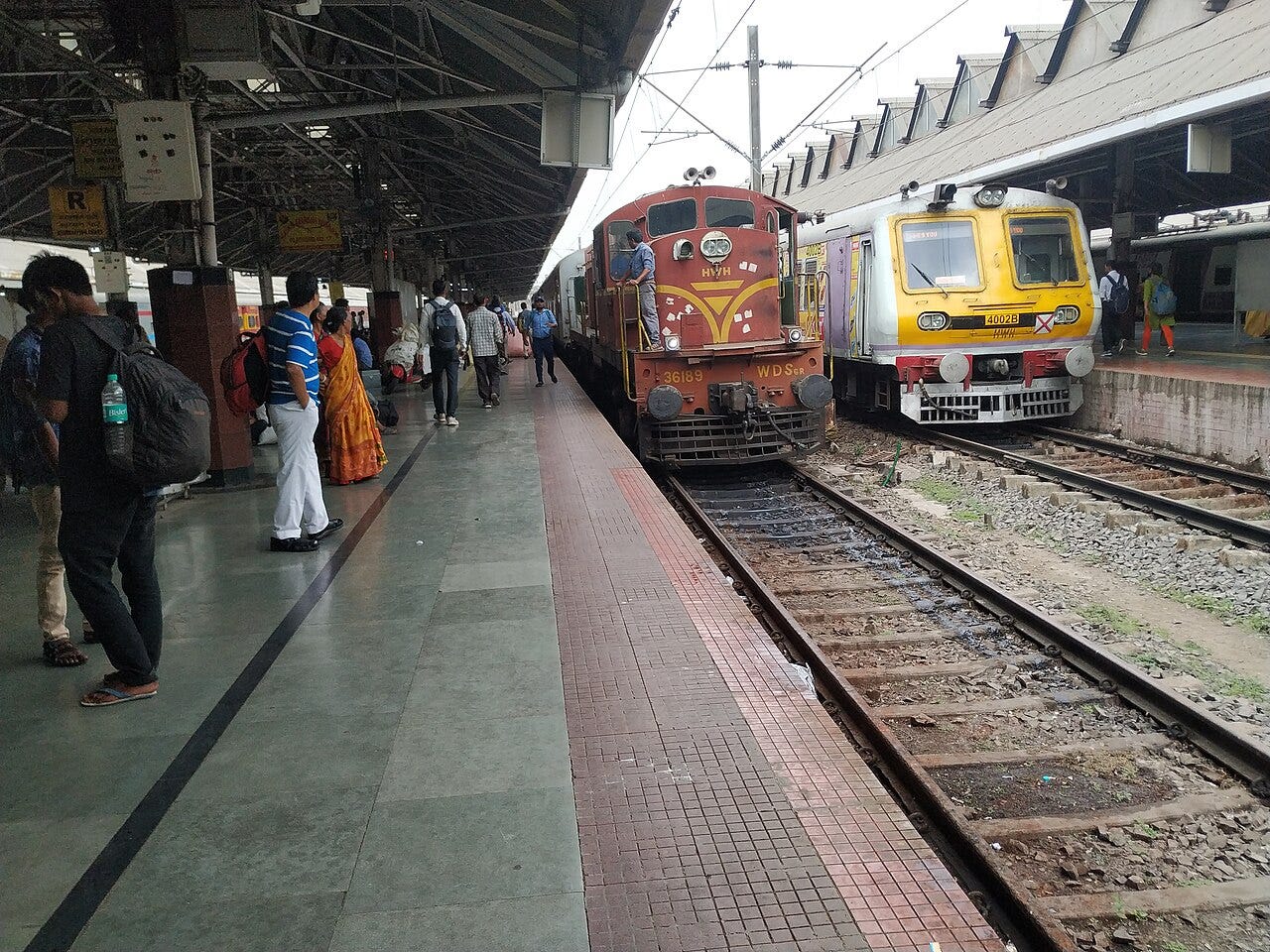
Almost everything can and should be booked before you land. Trains are the spine of most yatras, and Indian Railways' own portal and its authorised apps open bookings months ahead; popular trains to temple towns fill quickly, so reserve as soon as your dates are firm. Foreign passport holders can register and book with their passport number, which also serves as ID on board. Flights between hub cities save days on a circuit, but keep at least one long train journey in the plan if the family has never done one: it is part of the experience.
Many great temples now take darshan and accommodation bookings on their own official portals: the Tirumala Tirupati Devasthanams, the Vaishno Devi Shrine Board, the Kashi Vishwanath temple, and others all run online systems for special darshan, seva and rooms. Book directly on these official sites; the addresses are widely published, and it is worth double-checking you are on the shrine's own portal rather than a lookalike. Paid special-darshan categories, where offered, are often the kindest option for elders, cutting hours in the general queue.
Accommodation deserves the same advance attention. The shrine-run guest houses at major temples are clean, central and priced for pilgrims, but they fill fast in season, so book them the day your dates firm up. Private hotels near the temple are worth the premium for elders: the morning walk to darshan should be short. Wherever you stay, confirm the room a few days before arrival and carry the booking printout.
If you use a tour operator for a circuit, prefer one with verifiable registrations and recent reviews, get every inclusion in writing, and be wary of any quote that seems far cheaper than the sum of its parts. A sensible middle path many families take: book trains, flights and temple darshans yourself, and hire a car with driver locally for the road legs.

On the ground: money, SIM, health and etiquette
Money is easier than it used to be. UPI, the QR-code payment system every chai stall and temple shop uses, is no longer closed to visitors: major UPI apps can now be linked to an NRE or NRO account on your international mobile number, so NRIs can pay like locals. Cards work at hotels and larger establishments. Still carry cash for small offerings, prasad counters, shoe-keeping stands and rural stops where the QR code on the wall belongs to a phone that is switched off.
Connectivity keeps everything else running. The simplest options are an international roaming pack for the first day, then either an eSIM bought online before travel or an Indian SIM from an airport kiosk or city shop with your passport and visa. Temple towns are well covered, but download offline maps and keep those document photos handy for the stretches that are not.
On health, the rules are the boring ones that work: bottled or filtered water only, food that is hot and freshly cooked, and a small kit with your regular medicines, rehydration salts, and something for an upset stomach. Travel insurance that covers India is strongly advisable, particularly for the mountains. For high-altitude dhams, treat the climb seriously: ascend gradually, keep elders warm and hydrated, and heed local advice on weather days.
Etiquette is mostly common sense worn gently. Dress modestly and in comfortable layers you can slip off at the temple door, where footwear is left outside. Leather items are restricted at some shrines, photography is prohibited inside most sanctums, and queues are part of the darshan, so arrive early, keep the family together, and take the pace of the crowd as part of the offering. A small daan at the hundi or to the temple's own counters is welcome; be politely firm with anyone who presses you for donations outside official channels.

Questions first-timers ask
How long should a first yatra be? A week to ten days suits a single shrine done well; two weeks allows a compact circuit with rest days built in.
Can we manage without Hindi? In the great temple towns, yes: signage, booking portals and many volunteers work in English, and South Indian shrines run largely in English and the local language. A few words of the local tongue are always met warmly.
Is it safe for solo travellers and elders? India's pilgrimage routes are among its most travelled and watched-over paths. Take ordinary city precautions, keep valuables minimal, use official bookings, and prefer registered guides and cars.
Do we need a guide or a purohit? For darshan itself, no: the queue and the temple's own systems are enough. A local priest becomes useful if the family wants a specific puja or sankalp performed, and temple offices can point you to their registered lists. Agree the dakshina in advance, and prefer arrangements made through the shrine over approaches made on the street.
What about darshan queues with small children? Book the temple's paid or special darshan where offered, go at the earliest slot, and carry water and a snack. Most temples are kinder to families than their crowds suggest.
A first yatra is rarely the last. Families return with a photograph on the wall and a plan already forming for the next one. May yours begin well.