

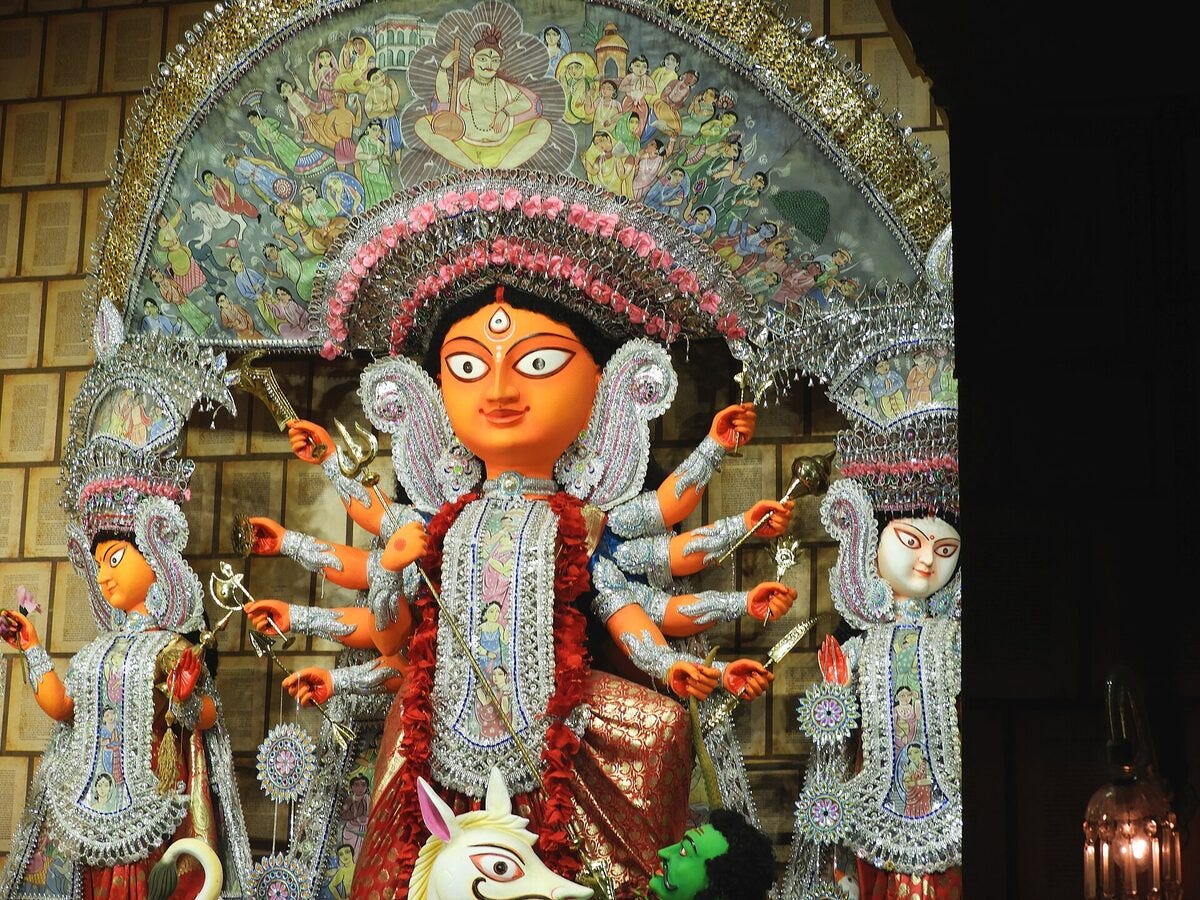
Goddess Durga idol on Maha Saptami, Kolkata. Photo: Goutam1962 / Wikimedia Commons, CC BY-SA 4.0
October 2026 is one of the fullest months of the Hindu year. It opens inside Pitru Paksha, the fortnight of the ancestors, moves into nine nights of Sharad Navratri, reaches Dussehra and Sharad Purnima, and closes with Karwa Chauth and Jupiter’s move into Simha. Venus and Mercury also turn retrograde this month, and the Sun enters Tula.
This guide gives you every day of the month, from 1 to 31 October. For each day you will find the tithi and nakshatra, sunrise and sunset, Rahu Kalam, the vrats and festivals, and a short spiritual note. It also explains how the common doshas (Pitru, Kaal Sarp, Mangal and Shani) are traditionally understood, and what simple practices families follow.
How to read this guide
All dates and times are for Delhi, in Indian Standard Time, taken from Drik Panchang. The tithi and nakshatra shown are the ones running at sunrise, with the time each ends.
In the Hindu calendar a day runs from sunrise to the next sunrise. Times in other cities differ, and some festival dates can move by a day. Please check your local panchang or ask your family pandit before a puja or fast.
The spiritual notes describe traditions and common practice. They are not predictions for your life, and no practice here promises a result. A kundali needs a qualified reading of your own chart.
October 2026 at a glance
Thu 1 Oct to Sat 10 Oct: Pitru Paksha continues. Sarva Pitru Amavasya (Mahalaya) is on Sat 10 Oct.
Tue 6 Oct: Indira Ekadashi. Thu 8 Oct: Guru Pradosh and Masik Shivaratri.
Sun 11 Oct: Sharad Navratri begins with Ghatasthapana. Mon 19 Oct: Durga Ashtami and Maha Navami. Tue 20 Oct: Vijayadashami (Dussehra).
Sat 17 Oct: Tula Sankranti, the Sun enters Tula at 7:57 PM.
Thu 22 Oct: Papankusha Ekadashi. Fri 23 Oct: Shukra Pradosh.
Sun 25 Oct: Sharad Purnima. Mon 26 Oct: Ashwina Purnima, Valmiki Jayanti.
Tue 27 Oct: Kartika begins in north India. Thu 29 Oct: Karwa Chauth and Sankashti Chaturthi.
Sat 31 Oct: Jupiter enters Simha.
Venus retrograde from 3 Oct to 14 Nov. Mercury retrograde from 24 Oct to 13 Nov.
The sky in October 2026
Here are the main planetary movements of the month in the sidereal (Vedic) zodiac, with Delhi timings from Drik Panchang.
Venus (Shukra): turns retrograde in Tula on 3 October at 12:45 PM and turns direct on 14 November.
Sun (Surya): moves from Kanya to Tula on 17 October at 7:57 PM, and into Vrishchika on 16 November. Vedic astrology considers the Sun debilitated in Tula.
Mercury (Budha): turns retrograde in Tula on 24 October at 12:41 PM and turns direct on 13 November.
Mars (Mangal): stays in Karka for the whole month (18 September to 12 November). Karka is Mars’s sign of debilitation.
Jupiter (Guru): exalted in Karka for most of the month, then enters Simha on 31 October at 12:50 PM, in Magha nakshatra. One Vedic guide notes that Jupiter approaches the Karka and Simha junction (gandanta) before the change.
Saturn, Rahu and Ketu: Saturn is retrograde in Meena, Rahu is in Kumbha and Ketu in Simha.
Eclipses: none are listed for October 2026.
A note on muhurat: the Times of India monthly panchanga for October 2026 says there are no auspicious dates for marriages or Griha Pravesh this month, though it calls the month favourable for buying property and vehicles. Please confirm any muhurat with your own pandit.
Doshas in October 2026: what tradition says
A dosha in Jyotish is read from the birth chart, not from the sky of the month. The transits below only tell you which prayers and practices feel timely. Please do not buy expensive remedies out of fear. Prayer, charity and discipline are open to everyone.
Pitru Dosha and Pitru Paksha
In Jyotish, Pitru Dosha is the name given to a chart pattern read as unpaid duty to ancestors. Pitru Paksha is the traditional time to meet that duty, with tarpan (water offered with black sesame), Shraddha and daan. This year the fortnight ends on Sarva Pitru Amavasya, Saturday 10 October. If you do not know the tithi of an elder’s passing, that day covers every ancestor. A sincere, quiet offering counts as much as a large ritual.
Kaal Sarp Dosha
Drik Panchang describes Kala Sarpa Yoga as the pattern in a birth chart where all the planets lie on one side of the Rahu-Ketu axis. Rahu is in Kumbha and Ketu in Simha through October, but the transit alone does not make anyone Kaal Sarp. Devotees who are told they have it usually turn to Shiva: Monday abhishek, Om Namah Shivaya japa, and a visit on Pradosh or Shivaratri. This month those fall on Thursday 8 October (Guru Pradosh and Masik Shivaratri) and Friday 23 October (Shukra Pradosh).
Mangal (Kuja) Dosha
Drik Panchang says Mangal Dosha is read when Mars sits in the 1st, 2nd, 4th, 7th, 8th or 12th house of the chart, checked from the Lagna, the Moon and Venus. Mars is in Karka all month, a sign of debilitation, and tradition links such a Mars with short temper and hurry. The Tuesdays of October are 6, 13, 20 and 27. Hanuman Chalisa, a quiet morning and patience at home are the usual remedies, and none of this replaces a proper reading.
Shani, Sade Sati and Saturdays
With Saturn in Meena, Dr. R.P. Sharma notes that Sade Sati runs for the Kumbha, Meena and Mesha Moon signs, and the smaller Shani dhaiya for Simha and Dhanu. The Saturdays of October are 3, 10, 17, 24 and 31. Many devotees light a sesame oil lamp, read the Hanuman Chalisa, and help the needy on those days. The 10th also carries Amavasya, and the 17th carries Tula Sankranti.
Grahan Dosha, and the two retrogrades
No eclipse is listed this month, so there is no grahan period to observe. Venus and Mercury are both retrograde from 24 October. Astrologers generally describe retrograde time as a period to review, revise and finish pending work rather than start fresh contracts or large purchases.
Now the day-by-day calendar. Rahu Kalam is the window many people avoid for starting new work, and it shifts with the weekday.
Part 1: Pitru Paksha, 1 to 10 October
Pitru Paksha is the sixteen-day period when Hindus remember their ancestors. October carries its last ten days.
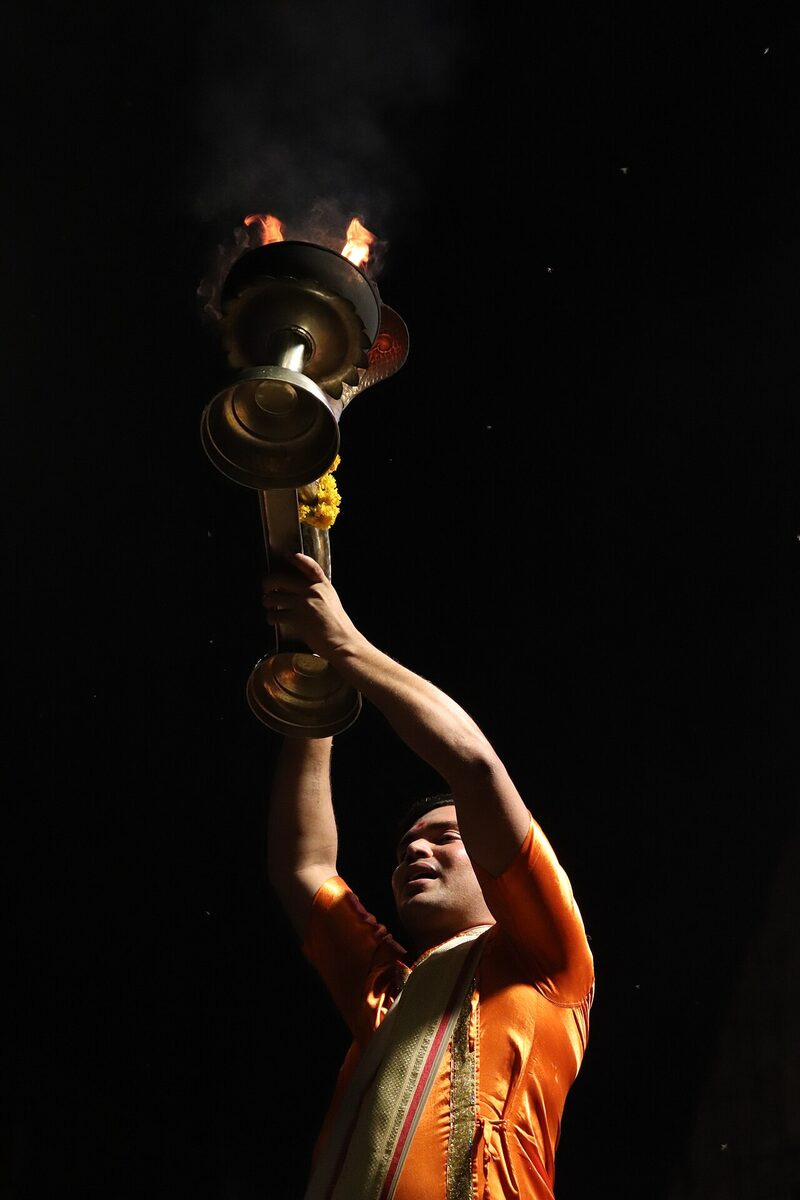
Diya puja at the Ganga Aarti, Dashashwamedh Ghat, Varanasi. Photo: Chetanbtc / Wikimedia Commons, CC BY-SA 4.0
Thursday, 1 October: Pitru Paksha: Shashthi Shraddha
Tithi: Krishna Panchami until 12:35 PM, then Krishna Shashthi. Nakshatra: Rohini until 4:27 AM on 2 Oct. Sunrise 06:14 AM, sunset 06:07 PM. Rahu Kalam 01:40 PM to 03:09 PM.
Shashthi Shraddha (Pitru Paksha)
The fortnight of the ancestors is in its sixth day. Families whose elder passed on a Shashthi offer tarpan and a simple meal today. Thursday is Guru’s day, so a quiet lamp and a few minutes of prayer for the elders of the family fit well.
Friday, 2 October: Pitru Paksha: Saptami Shraddha
Tithi: Krishna Shashthi until 10:15 AM, then Krishna Saptami. Nakshatra: Mrigashira until 2:55 AM on 3 Oct. Sunrise 06:14 AM, sunset 06:06 PM. Rahu Kalam 10:41 AM to 12:10 PM.
Saptami Shraddha (Pitru Paksha)
Saptami Shraddha. If you do not know the tithi of an ancestor’s passing, the tradition keeps Sarva Pitru Amavasya on 10 October for all of them. Friday is the day of the Devi, so many people also light a ghee lamp in the evening.
Saturday, 3 October: Ashtami Shraddha, Jivitputrika Vrat and Venus turns retrograde
Tithi: Krishna Saptami until 7:59 AM, then Krishna Ashtami until 5:51 AM on 4 Oct. Nakshatra: Ardra until 1:29 AM on 4 Oct. Sunrise 06:15 AM, sunset 06:05 PM. Rahu Kalam 09:12 AM to 10:41 AM.
Ashtami Shraddha
Jivitputrika Vrat
Mahalakshmi Vrat ends (Drik Panchang festival list)
Venus (Shukra) turns retrograde in Tula at 12:45 PM
Jivitputrika is the fast mothers keep for the long life of their children. Venus begins its retrograde in Tula today and stays retrograde until 14 November. Astrologers read this as a time to review relationships and spending before starting anything new. Saturday also belongs to Shani, so a lamp with sesame oil and a Hanuman Chalisa are common offerings.
Sunday, 4 October: Navami Shraddha
Tithi: Krishna Navami until 3:53 AM on 5 Oct. Nakshatra: Punarvasu until 12:13 AM on 5 Oct. Sunrise 06:15 AM, sunset 06:04 PM. Rahu Kalam 04:35 PM to 06:04 PM.
Navami Shraddha
Navami Shraddha. Sunday belongs to Surya, so water offered to the rising Sun, with the ancestors in mind, is a simple practice that needs no priest. The Moon is in Punarvasu today, a nakshatra tradition associates with return and renewal.
Monday, 5 October: Dashami Shraddha, a Sarvartha Siddhi Yoga day
Tithi: Krishna Dashami until 2:07 AM on 6 Oct. Nakshatra: Pushya until 11:09 PM. Sunrise 06:16 AM, sunset 06:03 PM. Rahu Kalam 07:44 AM to 09:13 AM.
Dashami Shraddha
Sarvartha Siddhi Yoga from 6:16 AM to 11:09 PM
Pushya is called the nourishing nakshatra, and a Monday with Pushya gives a Sarvartha Siddhi Yoga, a window panchang readers treat as favourable for beginnings. Monday is also Shiva’s day, so an abhishek with water and a few bel leaves is a gentle start to the week. Dashami Shraddha is observed today.
Tuesday, 6 October: Indira Ekadashi
Tithi: Krishna Ekadashi until 12:34 AM on 7 Oct. Nakshatra: Ashlesha until 10:17 PM. Sunrise 06:17 AM, sunset 06:01 PM. Rahu Kalam 03:05 PM to 04:33 PM.
Indira Ekadashi Vrat
Ekadashi Shraddha (Pitru Paksha)
Sarvartha Siddhi Yoga from 6:17 AM to 10:17 PM
Parana on 7 Oct, 6:17 AM to 8:38 AM
Indira Ekadashi falls inside Pitru Paksha, and tradition links it with the peace of ancestors. Many devotees fast, read the Vishnu Sahasranama or the Gita, and break the fast at the parana time on 7 October. Tuesday is Hanuman’s and Mangal’s day, which is useful to know with Mars in Karka this month (see the dosha section).
Wednesday, 7 October: Dwadashi Shraddha and Magha Shraddha
Tithi: Krishna Dwadashi until 11:16 PM. Nakshatra: Magha until 9:40 PM. Sunrise 06:17 AM, sunset 06:00 PM. Rahu Kalam 12:09 PM to 01:37 PM.
Dwadashi Shraddha
Magha Shraddha
Ekadashi parana window 6:17 AM to 8:38 AM
Magha is the nakshatra of the Pitris in Jyotish, which is why Drik Panchang lists a Magha Shraddha today. Break the Ekadashi fast within the parana window above. Wednesday is Ganesha’s day, so begin the day with a short Ganesha prayer.
Thursday, 8 October: Guru Pradosh and Masik Shivaratri
Tithi: Krishna Trayodashi until 10:15 PM, then Krishna Chaturdashi. Nakshatra: Purva Phalguni until 9:20 PM. Sunrise 06:18 AM, sunset 05:59 PM. Rahu Kalam 01:36 PM to 03:04 PM.
Guru Pradosh Vrat (Trayodashi from 11:16 PM on 7 Oct to 10:15 PM)
Masik Shivaratri (Nishita puja 11:44 PM to 12:33 AM on 9 Oct)
Trayodashi Shraddha
A rare pairing: Pradosh and Masik Shivaratri fall on the same Thursday. Pradosh puja is done after sunset, and the Shivaratri jagran runs through the night. This is one of the best nights of the month for Rudrabhishek, Om Namah Shivaya japa, or a visit to a Shiva temple. Ancestral peace is also traditionally prayed for to Shiva during Pitru Paksha.
Friday, 9 October: Chaturdashi Shraddha
Tithi: Krishna Chaturdashi until 9:35 PM, then Amavasya. Nakshatra: Uttara Phalguni until 9:19 PM. Sunrise 06:18 AM, sunset 05:58 PM. Rahu Kalam 10:41 AM to 12:08 PM.
Chaturdashi Shraddha
Amavasya tithi begins 9:35 PM
Chaturdashi Shraddha is traditionally kept for those who left the world suddenly. Amavasya begins this evening, so prepare for tomorrow’s tarpan. Friday evening is also a good time to light a lamp for Lakshmi.
Saturday, 10 October: Sarva Pitru Amavasya (Mahalaya)
Tithi: Amavasya until 9:19 PM, then Shukla Pratipada. Nakshatra: Hasta until 9:42 PM. Sunrise 06:19 AM, sunset 05:57 PM. Rahu Kalam 09:13 AM to 10:41 AM.
Sarva Pitru Amavasya, Darsha Amavasya
Amavasya Shraddha: Kutup Muhurat 11:45 AM to 12:31 PM, Rohina Muhurat 12:31 PM to 1:18 PM
Pitru Paksha ends
The last day of Pitru Paksha is for all ancestors, known and unknown. Tarpan with water, black sesame and kusha grass, a simple meal for a Brahmin or the needy, and charity are the usual offerings. It falls on a Saturday this year, so many families also remember Shani with a sesame oil lamp. Do what your family tradition teaches, and a sincere, quiet prayer is enough.
Part 2: Sharad Navratri, 11 to 19 October
Sharad Navratri honours nine forms of the Goddess. The colours below are the Navratri colours of the day listed by Drik Panchang.
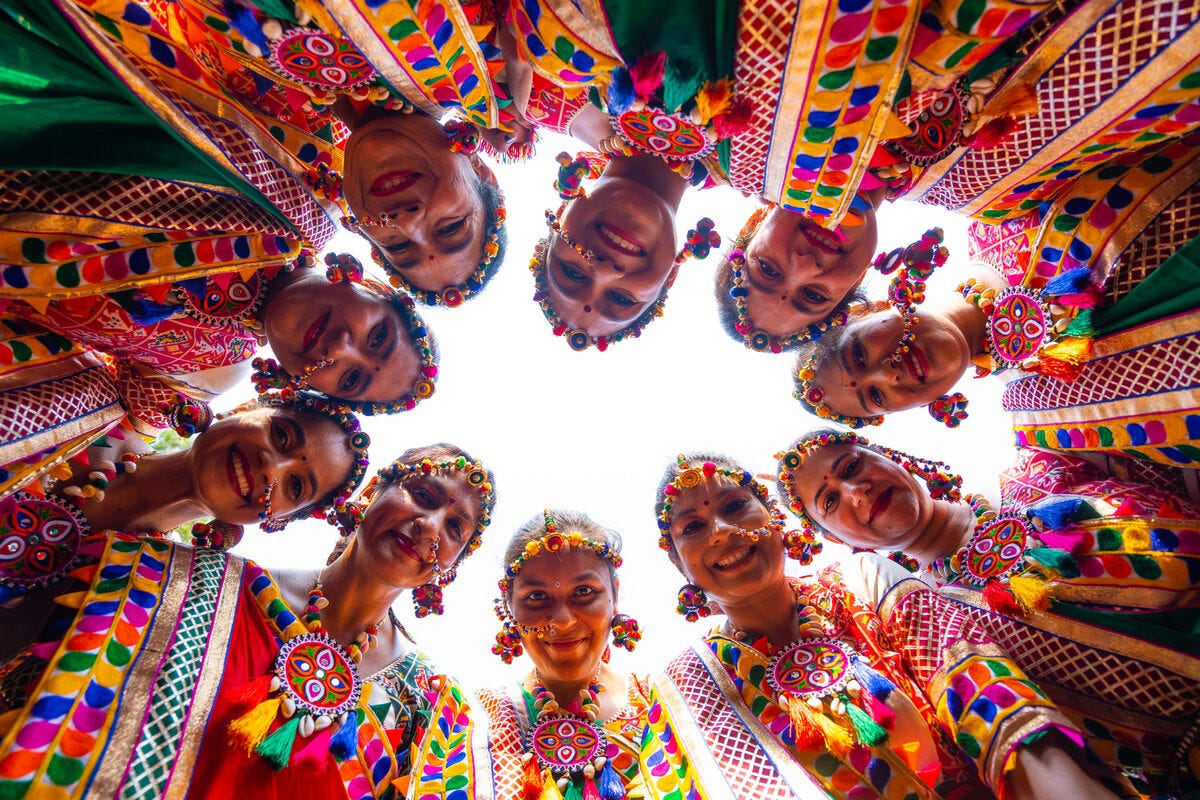
Navratri garba dancers. Photo: Saurabh sirohiya / Wikimedia Commons, CC BY-SA 4.0
Sunday, 11 October: Navratri begins: Ghatasthapana and Shailputri
Tithi: Shukla Pratipada until 9:30 PM. Nakshatra: Chitra until 10:32 PM. Sunrise 06:19 AM, sunset 05:56 PM. Rahu Kalam 04:29 PM to 05:56 PM.
Sharad Navratri begins
Ghatasthapana Muhurat 6:19 AM to 10:12 AM (Abhijit 11:44 AM to 12:31 PM)
Shailputri Puja
Navratri colour: Orange
Sharad Navratri opens with Ghatasthapana, the installation of the kalash, on a Sunday. The first form worshipped is Shailputri, daughter of the mountain. Start the nine days with a clean space, a sankalp, and a promise you can keep, such as a daily lamp or a small japa count.
Monday, 12 October: Chandra Darshana and Brahmacharini
Tithi: Shukla Dwitiya until 10:13 PM. Nakshatra: Swati until 11:52 PM. Sunrise 06:20 AM, sunset 05:55 PM. Rahu Kalam 07:47 AM to 09:14 AM.
Chandra Darshana
Brahmacharini Puja
Navratri colour: White
The thin crescent moon is seen after sunset today. Brahmacharini stands for tapasya and steady discipline. A Monday of Navratri is also a good day to offer white flowers and milk, to the Devi and to Shiva.
Tuesday, 13 October: Chandraghanta and Sindoor Tritiya
Tithi: Shukla Tritiya until 11:27 PM. Nakshatra: Vishakha until 1:43 AM on 14 Oct. Sunrise 06:20 AM, sunset 05:54 PM. Rahu Kalam 03:00 PM to 04:27 PM.
Chandraghanta Puja
Sindoor Tritiya
Navratri colour: Red
Chandraghanta is the Devi with a bell-shaped half moon on her forehead, remembered for courage and calm. Tuesday is Hanuman’s day, and with Mars in Karka this month, a calm morning with the Hanuman Chalisa and the Durga Chalisa suits the day.
Wednesday, 14 October: Kushmanda, a Sarvartha and Amrita Siddhi day
Tithi: Shukla Chaturthi until 1:13 AM on 15 Oct. Nakshatra: Anuradha until 4:03 AM on 15 Oct. Sunrise 06:21 AM, sunset 05:53 PM. Rahu Kalam 12:07 PM to 01:33 PM.
Kushmanda Puja
Kapardisha Chaturthi
Sarvartha Siddhi, Amrita Siddhi and Ravi Yoga from 6:21 AM to 4:03 AM on 15 Oct
Navratri colour: Royal Blue
Kushmanda is remembered as the Devi whose smile created the universe. Drik Panchang lists Sarvartha Siddhi and Amrita Siddhi Yoga for the day, which many panchang readers treat as supportive for starting a good deed. Wednesday is Ganesha’s day, so a durva offering fits well.
Thursday, 15 October: Skandamata and Upang Lalita Vrat
Tithi: Shukla Panchami until 3:25 AM on 16 Oct. Nakshatra: Jyeshtha (whole day, until 6:47 AM on 16 Oct). Sunrise 06:22 AM, sunset 05:52 PM. Rahu Kalam 01:33 PM to 02:59 PM.
Skandamata Puja
Upang Lalita Vrat
Navratri colour: Yellow
Skandamata is the Devi as the mother of Kartikeya. Thursday is Guru’s day, and yellow is the colour of both today and of Jupiter, so a yellow flower and a few minutes of the Vishnu or Guru mantra suit the day.
Friday, 16 October: Katyayani and Saraswati Avahan
Tithi: Shukla Shashthi until 5:54 AM on 17 Oct. Nakshatra: Jyeshtha until 6:47 AM, then Mula. Sunrise 06:22 AM, sunset 05:51 PM. Rahu Kalam 10:40 AM to 12:06 PM.
Katyayani Puja
Saraswati Avahan
The Moon moves from Vrishchika to Dhanu at 6:47 AM
Navratri colour: Green
Katyayani is worshipped on Shashthi. Drik Panchang lists Saraswati Avahan today, the invocation before tomorrow’s Saraswati Puja. Students and artists keep books and instruments ready for tomorrow’s puja. Friday evening is also a good time for a ghee lamp for Lakshmi.
Saturday, 17 October: Kalaratri, Saraswati Puja and Tula Sankranti
Tithi: Shukla Saptami (until 8:27 AM on 18 Oct). Nakshatra: Mula until 9:47 AM, then Purva Ashadha. Sunrise 06:23 AM, sunset 05:50 PM. Rahu Kalam 09:15 AM to 10:40 AM.
Kalaratri Puja
Saraswati Puja (Mula nakshatra is running)
Tula Sankranti: Sun enters Tula at 7:57 PM. Punya Kala 12:06 PM to 5:50 PM, Maha Punya Kala 3:55 PM to 5:50 PM
Navratri colour: Grey
A full day. Kalaratri is the fierce form that removes fear, and Saraswati Puja honours books, learning and music. The Sun enters Tula, the sign where Vedic astrology considers it debilitated, until 16 November. Sankranti is traditionally a day for a holy bath, daan, and Surya arghya. It is a Saturday, so Shani prayers also fall today.
Sunday, 18 October: Second Saptami day of the Drik Navratri calendar
Tithi: Shukla Saptami until 8:27 AM, then Shukla Ashtami. Nakshatra: Purva Ashadha until 12:49 PM, then Uttara Ashadha. Sunrise 06:23 AM, sunset 05:49 PM. Rahu Kalam 04:23 PM to 05:49 PM.
Navratri Day 8 in Drik’s calendar (Saptami tithi continues)
Saraswati Balidan (Drik Panchang day list)
Navratri colour: Purple
Saptami runs across two sunrises this year, so Drik Panchang counts ten Navratri days. Today is a good day to prepare for Ashtami: clean the puja space, keep red flowers, and prepare the kanya puja items.
Monday, 19 October: Durga Ashtami, Mahagauri, Sandhi Puja and Maha Navami
Tithi: Shukla Ashtami until 10:51 AM, then Shukla Navami until 12:50 PM on 20 Oct. Nakshatra: Uttara Ashadha until 3:38 PM, then Shravana. Sunrise 06:24 AM, sunset 05:48 PM. Rahu Kalam 07:50 AM to 09:15 AM.
Durga Ashtami, Mahagauri Puja
Sandhi Puja 10:27 AM to 11:15 AM (end of Ashtami and start of Navami)
Maha Navami (Drik lists it on this date for Delhi)
Saraswati Visarjan
Sarvartha Siddhi Yoga from 3:38 PM to 6:25 AM on 20 Oct
Navratri colour: Peacock Green
The high point of Navratri. Many families keep the Ashtami fast, offer kanya puja to young girls with halwa, puri and chana, and perform Sandhi Puja. Mahagauri is the white, serene form of the Devi. Plan the day around the Sandhi window, as the Ashtami to Navami hand-over is a time of special significance in the Durga Puja tradition.
Part 3: Dussehra and the Ekadashi week, 20 to 24 October
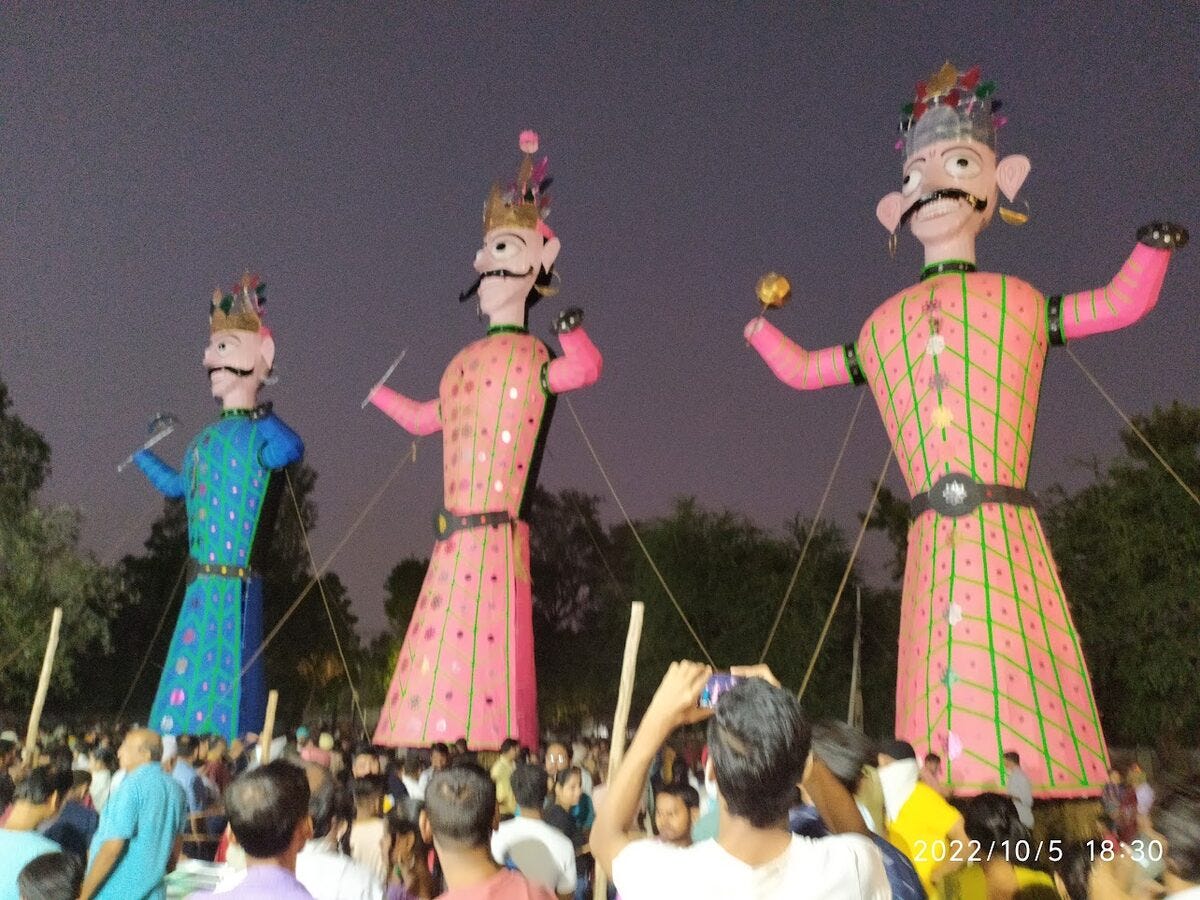
Ravan Dahan effigies at dusk. Photo: Thesocialtalks / Wikimedia Commons, CC0
Tuesday, 20 October: Vijayadashami (Dussehra) and Navratri Parana
Tithi: Shukla Navami until 12:50 PM, then Shukla Dashami. Nakshatra: Shravana until 6:02 PM. Sunrise 06:25 AM, sunset 05:47 PM. Rahu Kalam 02:56 PM to 04:21 PM.
Vijayadashami (Dussehra): Vijay Muhurat 1:59 PM to 2:45 PM
Ayudha Puja, Navami Homa
Navratri Parana, Durga Visarjan
Ravana Dahan at dusk in many cities
Dussehra on a Tuesday, with Shravana nakshatra running through the Vijay Muhurat. Shastra puja and Ayudha Puja honour the tools of one’s work. Navratri fasts are broken today. The day marks the victory of dharma over adharma, as Rama over Ravana and Durga over Mahishasura. Hanuman, whose day is Tuesday, makes a fitting prayer.
Wednesday, 21 October: Bengal Vijayadashami
Tithi: Shukla Dashami until 2:11 PM, then Shukla Ekadashi. Nakshatra: Dhanishtha until 7:47 PM, then Shatabhisha. Sunrise 06:25 AM, sunset 05:46 PM. Rahu Kalam 12:05 PM to 01:30 PM.
Bengal Vijayadashami (Drik Panchang lists 21 Oct for Delhi)
Ekadashi tithi begins 2:11 PM
In the Bengal tradition, Vijayadashami is observed a day after the rest of north India, as listed by Drik Panchang. Ekadashi begins in the afternoon, and the fast is kept tomorrow at sunrise. Wednesday is Ganesha’s day.
Thursday, 22 October: Papankusha Ekadashi
Tithi: Shukla Ekadashi until 2:47 PM. Nakshatra: Shatabhisha until 8:49 PM. Sunrise 06:26 AM, sunset 05:45 PM. Rahu Kalam 01:30 PM to 02:55 PM.
Papankusha Ekadashi Vrat
Parana on 23 Oct, 6:27 AM to 8:42 AM
Drik Panchang marks the last day of the third Chaturmasa fast cycle
Papankusha Ekadashi, dedicated to Vishnu, is described in tradition as the Ekadashi that helps loosen the hold of one’s past mistakes. Shatabhisha is the nakshatra of a hundred healers, a fitting backdrop for prayer for health. Thursday adds Guru’s blessing. Keep the fast in a way that suits your health; elders, children and anyone unwell can offer prayer and a fruit-based diet instead.
Friday, 23 October: Papankusha parana and Shukra Pradosh
Tithi: Shukla Dwadashi until 2:35 PM, then Shukla Trayodashi. Nakshatra: Purva Bhadrapada until 9:02 PM. Sunrise 06:27 AM, sunset 05:44 PM. Rahu Kalam 10:41 AM to 12:05 PM.
Papankusha Ekadashi parana 6:27 AM to 8:42 AM
Shukra Pradosh Vrat (Trayodashi from 2:35 PM to 1:36 PM on 24 Oct)
Drik Panchang marks the start of the fourth Chaturmasa cycle
Break the Ekadashi fast within the parana window, since Dwadashi ends at 2:35 PM. In the evening, Pradosh puja is done after sunset. A Friday Pradosh is called Shukra Pradosh, and Shiva and Parvati are worshipped together.
Saturday, 24 October: Mercury turns retrograde
Tithi: Shukla Trayodashi until 1:36 PM, then Shukla Chaturdashi. Nakshatra: Uttara Bhadrapada until 8:32 PM, then Revati. Sunrise 06:27 AM, sunset 05:43 PM. Rahu Kalam 09:16 AM to 10:41 AM.
Mercury (Budha) turns retrograde in Tula at 12:41 PM, direct on 13 November
Ravi Yoga from 6:27 AM to 12:56 PM (Drik Panchang)
From today both Venus and Mercury are retrograde in Tula until mid-November. Astrologers usually suggest re-reading papers, revisiting old plans and finishing pending work, rather than signing big new agreements. Saturday is Shani’s day, and the Chaturdashi tithi begins in the afternoon.
Part 4: Sharad Purnima, 25 and 26 October
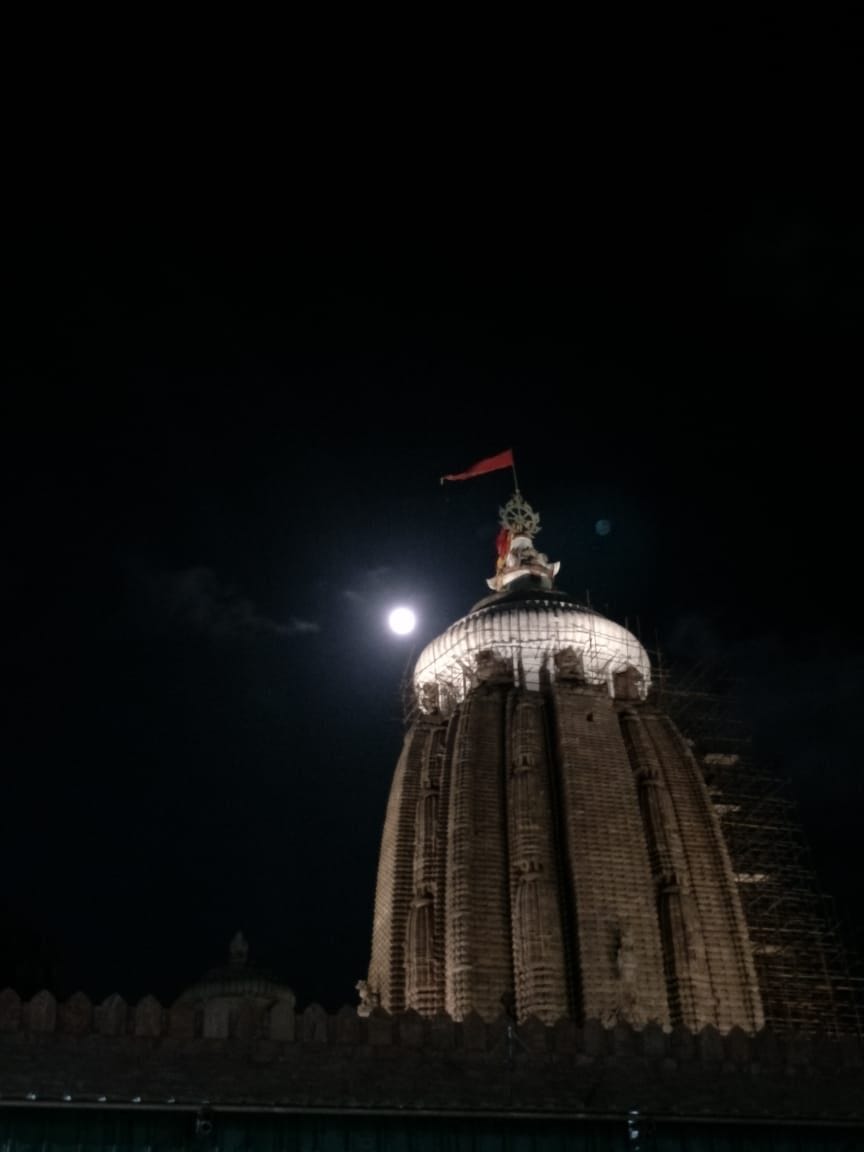
Jagannath Temple under the full moon, Puri, Odisha. Photo: Debasis2196 / Wikimedia Commons, CC BY-SA 4.0
Sunday, 25 October: Sharad Purnima (Kojagara Puja)
Tithi: Shukla Chaturdashi until 11:55 AM, then Shukla Purnima until 9:41 AM on 26 Oct. Nakshatra: Revati until 7:22 PM, then Ashwini. Sunrise 06:28 AM, sunset 05:42 PM. Rahu Kalam 04:18 PM to 05:42 PM.
Sharad Purnima, Kojagara Puja, Ashwina Purnima Vrat
Moonrise 5:00 PM (Delhi)
Sarvartha Siddhi Yoga from 7:22 PM to 6:29 AM on 26 Oct
The full moon of Ashwina is described in tradition as the brightest of the year. Many families leave kheer in the moonlight and eat it later as prasad, and Lakshmi puja with a night vigil is observed in many homes. In Krishna tradition this is also the night of Maha Raas. Sunday adds Surya, so the day is a good one for a bath and charity.
Monday, 26 October: Ashwina Purnima, Valmiki Jayanti and Meerabai Jayanti
Tithi: Shukla Purnima until 9:41 AM, then Krishna Pratipada. Nakshatra: Ashwini until 5:41 PM, then Bharani. Sunrise 06:29 AM, sunset 05:41 PM. Rahu Kalam 07:53 AM to 09:17 AM.
Ashwina Purnima (snan and daan)
Valmiki Jayanti
Meerabai Jayanti
Ashwina month ends (purnimanta)
A day for a holy bath at a river or tirtha, for charity, and for remembering two voices of bhakti: Maharishi Valmiki, who gave us the Ramayana, and Meerabai, whose songs for Krishna are still sung in homes. Monday is Shiva’s day, so a Shiva dhyana in the evening completes the day.
Part 5: Kartika begins, Karwa Chauth and Jupiter’s move, 27 to 31 October
Tuesday, 27 October: Kartika begins (north India)
Tithi: Krishna Pratipada until 7:01 AM, then Krishna Dwitiya until 4:06 AM on 28 Oct. Nakshatra: Bharani until 3:39 PM, then Krittika. Sunrise 06:29 AM, sunset 05:40 PM. Rahu Kalam 02:52 PM to 04:16 PM.
Kartika month begins (north India, purnimanta)
Sarvartha Siddhi Yoga from 3:39 PM to 6:30 AM on 28 Oct
Kartika, a month traditionally given to deep daan, Tulsi worship and lamps in the evening, begins in north India. If you plan a Kashi Dev Deepawali yatra in November, see our earlier post linked at the end of this guide. Tuesday is Hanuman’s day.
Wednesday, 28 October: A Sarvartha Siddhi Yoga day
Tithi: Krishna Tritiya until 1:06 AM on 29 Oct. Nakshatra: Krittika until 1:26 PM, then Rohini. Sunrise 06:30 AM, sunset 05:39 PM. Rahu Kalam 12:05 PM to 01:28 PM.
Sarvartha Siddhi Yoga (whole day)
A quiet day before Karwa Chauth. Krittika is the nakshatra of Agni and the Sun, and the day’s Sarvartha Siddhi Yoga is a good time to begin a small spiritual habit, such as a daily lamp or ten minutes of japa. Wednesday is Ganesha’s.
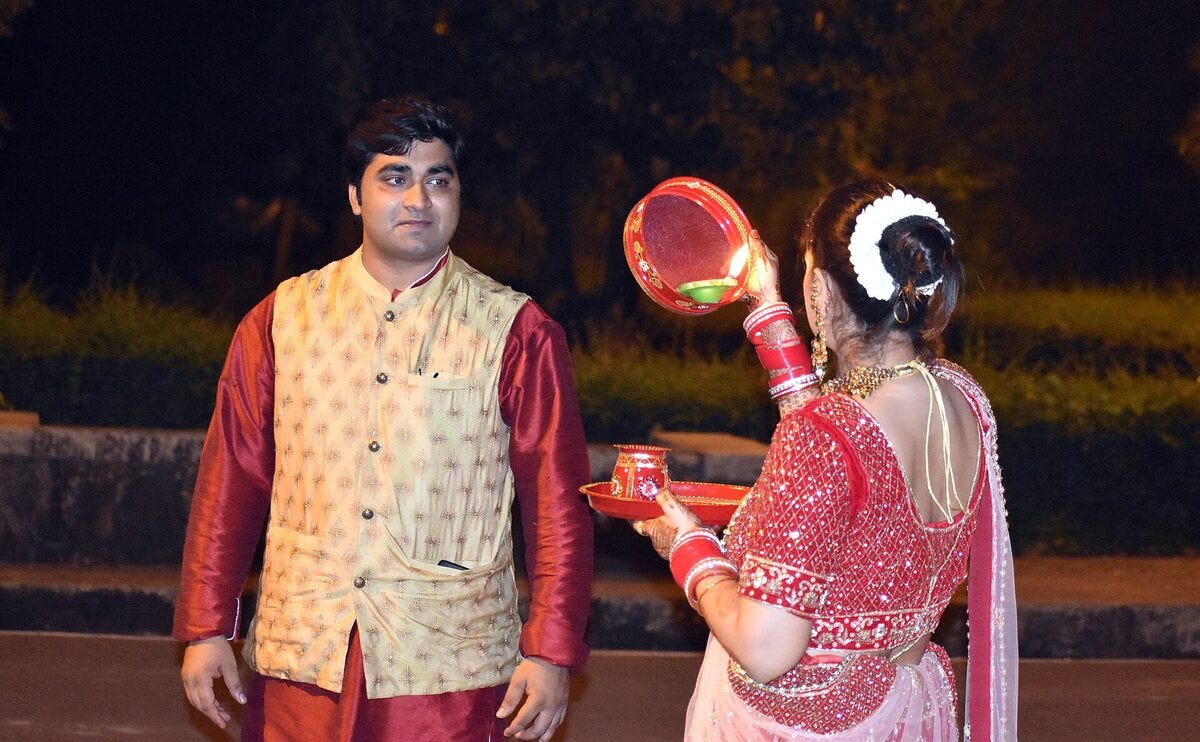
Karva Chauth festival. Photo: Rohit Sharma / Wikimedia Commons, CC BY-SA 4.0
Thursday, 29 October: Karwa Chauth and Vakratunda Sankashti Chaturthi
Tithi: Krishna Chaturthi until 10:09 PM. Nakshatra: Rohini until 11:11 AM, then Mrigashira. Sunrise 06:31 AM, sunset 05:38 PM. Rahu Kalam 01:28 PM to 02:51 PM.
Karwa Chauth: puja muhurat 5:38 PM to 6:56 PM, moonrise 8:17 PM (Delhi)
Vakratunda Sankashti Chaturthi (Ganesha vrat, broken at moonrise)
Married women keep Karwa Chauth for the long life and health of their husbands, and break the fast after seeing the Moon, which rises at 8:17 PM in Delhi. Moonrise time is different in every city, so check your local time. Sankashti Chaturthi falls on the same day, so Ganesha is also worshipped at moonrise. Thursday is Guru’s day.
Friday, 30 October: Panchami
Tithi: Krishna Panchami until 7:24 PM. Nakshatra: Mrigashira until 9:04 AM, then Ardra. Sunrise 06:31 AM, sunset 05:38 PM. Rahu Kalam 10:41 AM to 12:05 PM.
No major vrat listed
A gentler day after the festival week. Friday is Lakshmi’s and Venus’s day. With Venus retrograde, it is a good time for simple gratitude, such as a clean home, a lamp at dusk, and a kind word to someone you have neglected.
Saturday, 31 October: Jupiter enters Simha
Tithi: Krishna Shashthi until 4:57 PM, then Krishna Saptami. Nakshatra: Ardra until 7:12 AM, then Punarvasu (until 5:39 AM on 1 Nov). Sunrise 06:32 AM, sunset 05:37 PM. Rahu Kalam 09:18 AM to 10:41 AM.
Jupiter (Guru) enters Simha at 12:50 PM (Magha nakshatra), per Drik Panchang for Delhi
Jupiter leaves Karka, where it is considered exalted, and enters Simha for a short stay. It turns retrograde there on 13 December and returns to Karka on 25 January 2027, as reported by Astrologics. Saturday is Shani’s day. Ending the month with a Guru mantra and a small gift to a teacher is a fitting close.
Looking ahead to November
Venus turns direct on 14 November and Mercury on 13 November. Mars enters Simha on 12 November, and the Sun enters Vrishchika on 16 November. Kartika is the month of lamps, and if Kashi is on your heart, read our guide to Dev Deepawali in Kashi:

A closing thought
A calendar is only a map. The ancestors you remember in the first ten days, the Devi you worship in the next nine, and the lamp you light on a plain Tuesday evening are the same path. Keep one small practice you can carry through the whole month, and let it be yours.
If you would like to plan a puja or a yatra with DharmikVibes, write to us at dharmikyatra@dharmikvibes.com.
Har Har Mahadev. Jai Mata Di.