

Every January, the same message pings through a thousand family WhatsApp groups: “Sankranti subhakankshalu!” And every January, millions of Indians abroad open the message in a different season, sometimes a different day, and figure out once again how to keep the sun’s festival under a foreign sky.
In 2027, Makar Sankranti falls on Friday, 15 January, a weekday in most of the world, which means the diaspora’s real celebration splits in two: the ritual on the day, and the community on the weekend.

The two-calendar life of the diaspora
The first rule of festivals abroad is to decide what is negotiable and what is not. The tithi and the sankramana moment are not negotiable; the day-long leave from work usually is. Most families abroad keep the essence on the day itself: the sunrise bath, the arghya to the sun from a balcony or backyard, the til-gud or pongal cooked in the evening after work, a video call home timed to the family’s puja. The gathering, the kite flying, the mela, moves to the nearest weekend, and nobody’s grandmother objects.
Where the community gathers
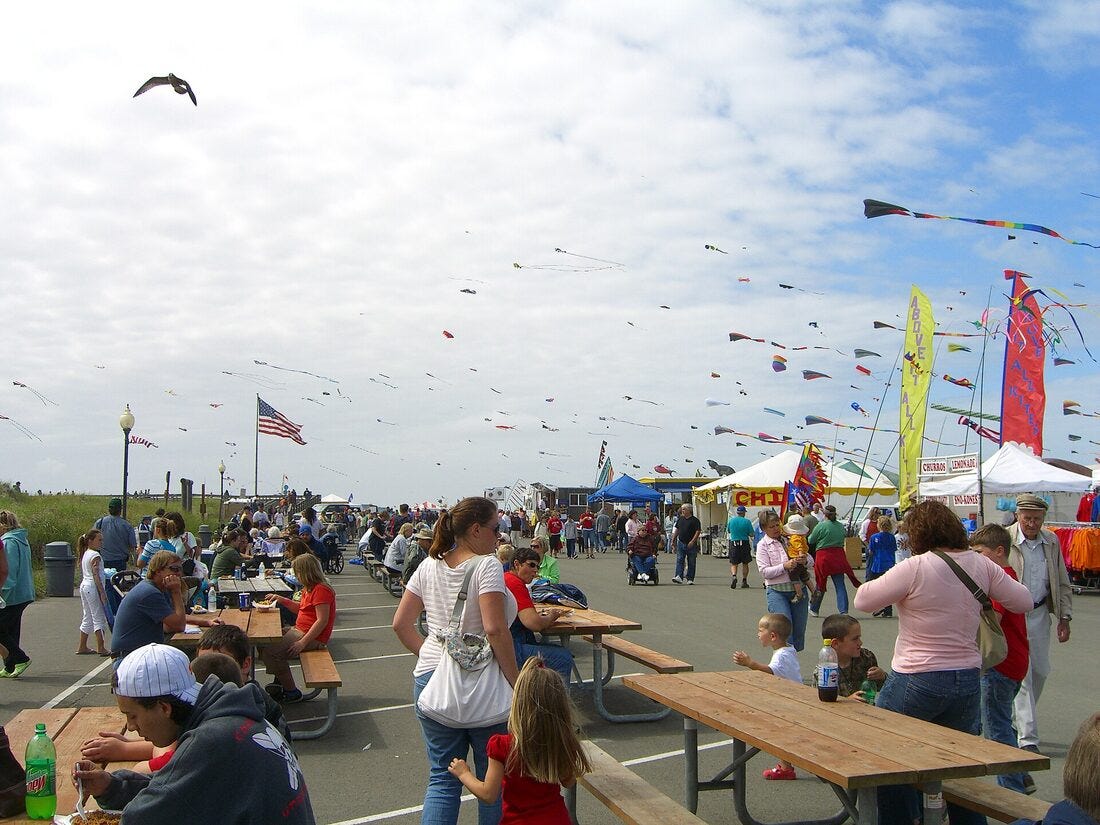
Nearly every sizeable Indian community abroad now has its Sankranti season events. Telugu associations across the US, from New Jersey and Dallas to the Bay Area, hold Sankranti sambaralu with bommala koluvu displays, kite festivals and haridasulu. Tamil sangams in the US, UK, Singapore, Malaysia and the Gulf hold Pongal vizha with the pot cooked on stage and full banana-leaf meals. Punjabi communities in Canada and the UK light Lohri bonfires, weather permitting, or gather in gurdwaras and halls. Gujarati societies fly kites from California parks to Leicester fields. Bengali and Assamese associations keep Poush Parbon and Magh Bihu with pithe and meji.
The practical move for January 2027: find your regional association’s event calendar now, because most hold their main celebration on 16-17 January 2027, the weekend after the festival.
Bringing the festival into a non-Indian home
The dishes travel better than anything else. Til-gud ladoos need sesame and jaggery, both available in any Indian store and most health-food stores abroad. Sakkarai pongal needs rice, moong dal, jaggery, ghee and cardamom; a pressure cooker or an Instant Pot does the rest, even if the new clay pot and the open fire have to stay symbolic. Rewri and gajak can be made at home or ordered. Sugarcane is the hardest to find; Asian and Latin American groceries are the best bet, and a stand-in is forgiven.
What does not travel on its own is the soundscape: the kite-string shouts, the dhol, the “Pongalo Pongal.” That is what the video call home is for. Call during your family’s puja, show the children the bonfire or the pot, and let the grandparents see the kolam or rangoli your kids drew.
Giving the children the “why”
The generation growing up abroad will keep what it understands. The explanations are simple and true: the sun is turning north, the harvest is in, and we are saying thank you, to the sun, the cattle, the field, and each other. Let the kids draw the kolam, fly the kite, stir the pongal pot, and put the first laddoo in the fire or before the photo of the deity. A festival a child does with their hands is a festival they keep.
At DharmikVibes, our vision is to enable Divine Experiences for every seeker, on every yatra, including the longest yatra of all, the one that carried your family across the world. Wherever you are this Sankranti: may your pot boil over.