

Sharad Purnima, also called Kojagara Purnima, Kaumudi or Rasa Purnima, is the full-moon night of the Ashwin month, after Navratri and Dussehra. It is one of the gentlest festivals of the year: no loud celebration is needed, only a clear sky, a lamp and a bowl of kheer. Timings below are for New Delhi; sources are at the end.
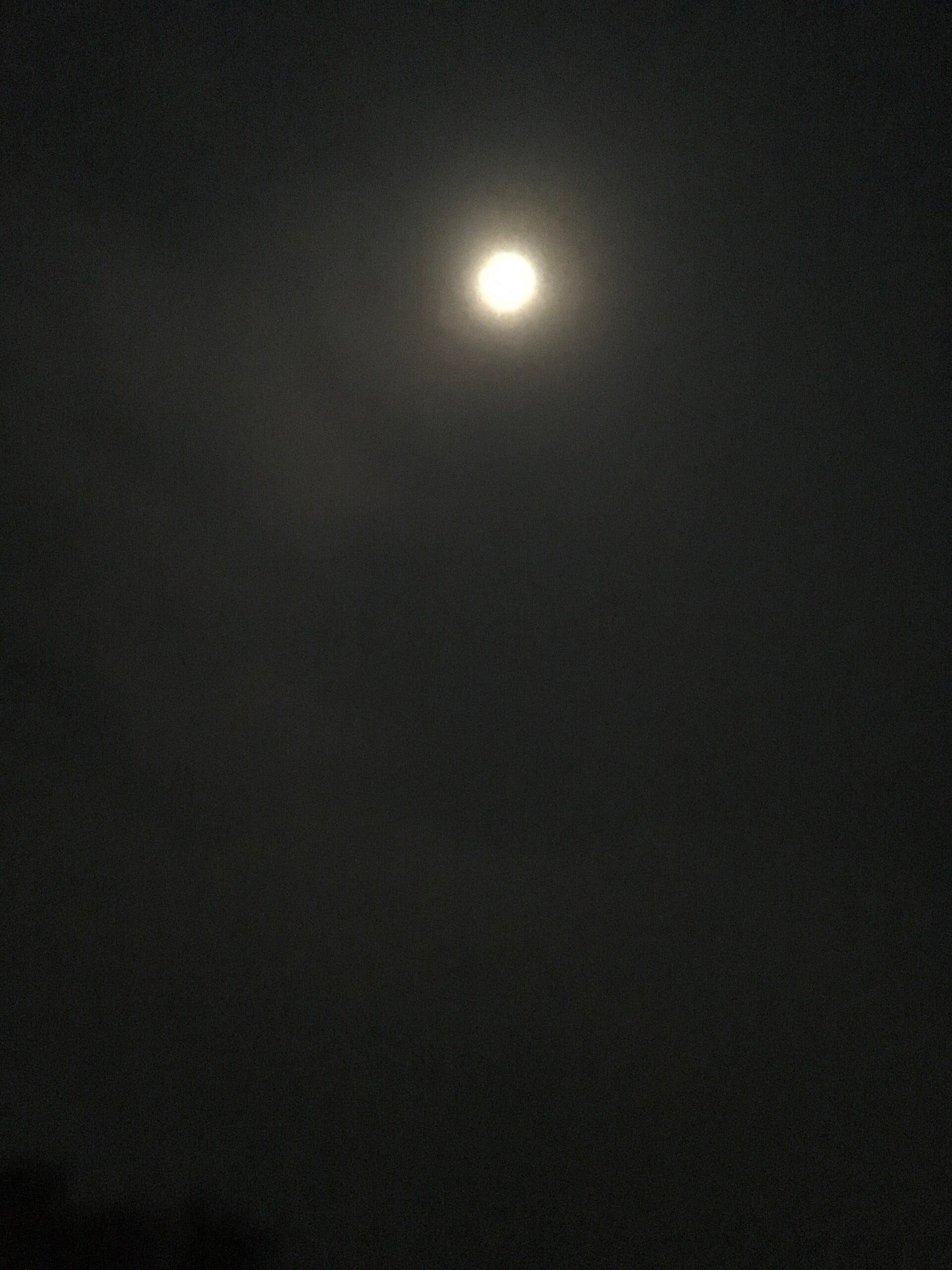
Photo: ShotgunMavericks, CC BY-SA 4.0, via Wikimedia Commons
Date and timing (New Delhi)
Purnima tithi begins: 11:55 AM on Sunday 25 October 2026
Purnima tithi ends: 9:41 AM on Monday 26 October 2026
Moonrise on Sharad Purnima: about 5:00 PM on 25 October Because the tithi spans two dates, some households observe the vrat on 25 October and others pass the night in prayer into 26 October. Follow your family’s panchang. Moonrise can differ by a few minutes between panchang sites and cities.
What the night means
In Krishna traditions this is the night of the Maha Rasa with the gopis in Vrindavan, when the moon is said to be at its fullest and brightest. In Bengal, Odisha and Bihar, it is Kojagara: Lakshmi is said to visit homes asking, “Ko jagarti?” - who is awake? Families keep a vigil, light lamps and worship Lakshmi. Many play simple indoor games through the night; in Bengal the night is also associated with alpona, the rice-paste patterns drawn at the doorstep. In Maharashtra it is Kojagiri, and in Gujarat it is Sharad Poonam with garba and community gatherings.
The common thread is wakefulness and welcome: a house that is clean, lit and ready.
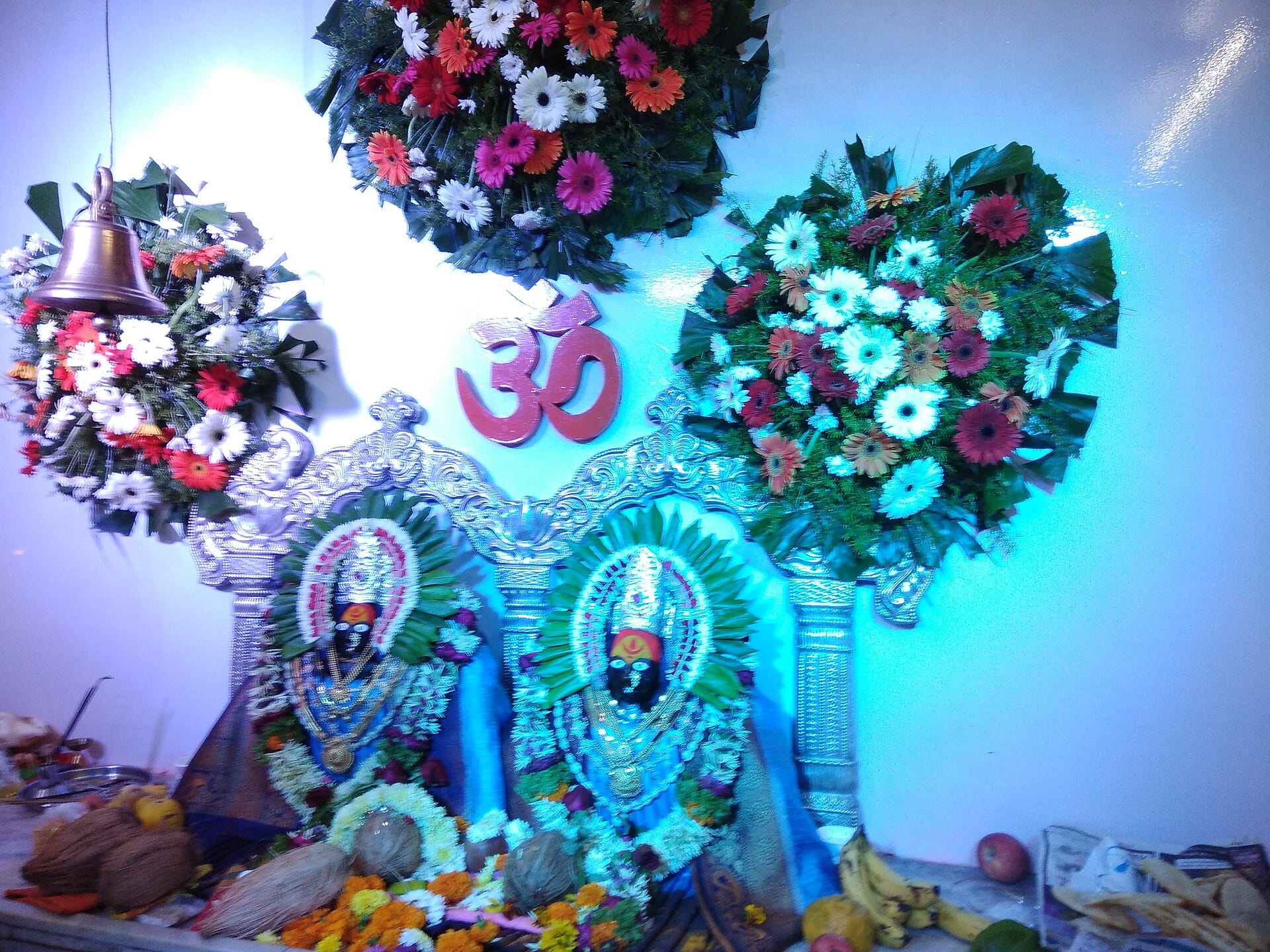
Photo: आर्या जोशी, CC BY-SA 4.0, via Wikimedia Commons
The kheer tradition
The best-known custom is kheer left under the moon. Traditionally it is made with rice, full-fat milk, sugar or jaggery, cardamom and dry fruits, and offered as prasad after the night. In Maharashtra the equivalent is spiced milk (masala doodh), shared with neighbours at community gatherings.
Practical points:
Keep the vessel covered with a fine mesh, not open to insects or dust.
Refrigerate any leftovers promptly; milk dishes spoil quickly.
Make a small quantity; this is prasad, not a feast.
The belief that moonlight gives the kheer special properties is a tradition. We make no medical claim. If you have diabetes or dietary restrictions, adjust the sweetness or consult your doctor.
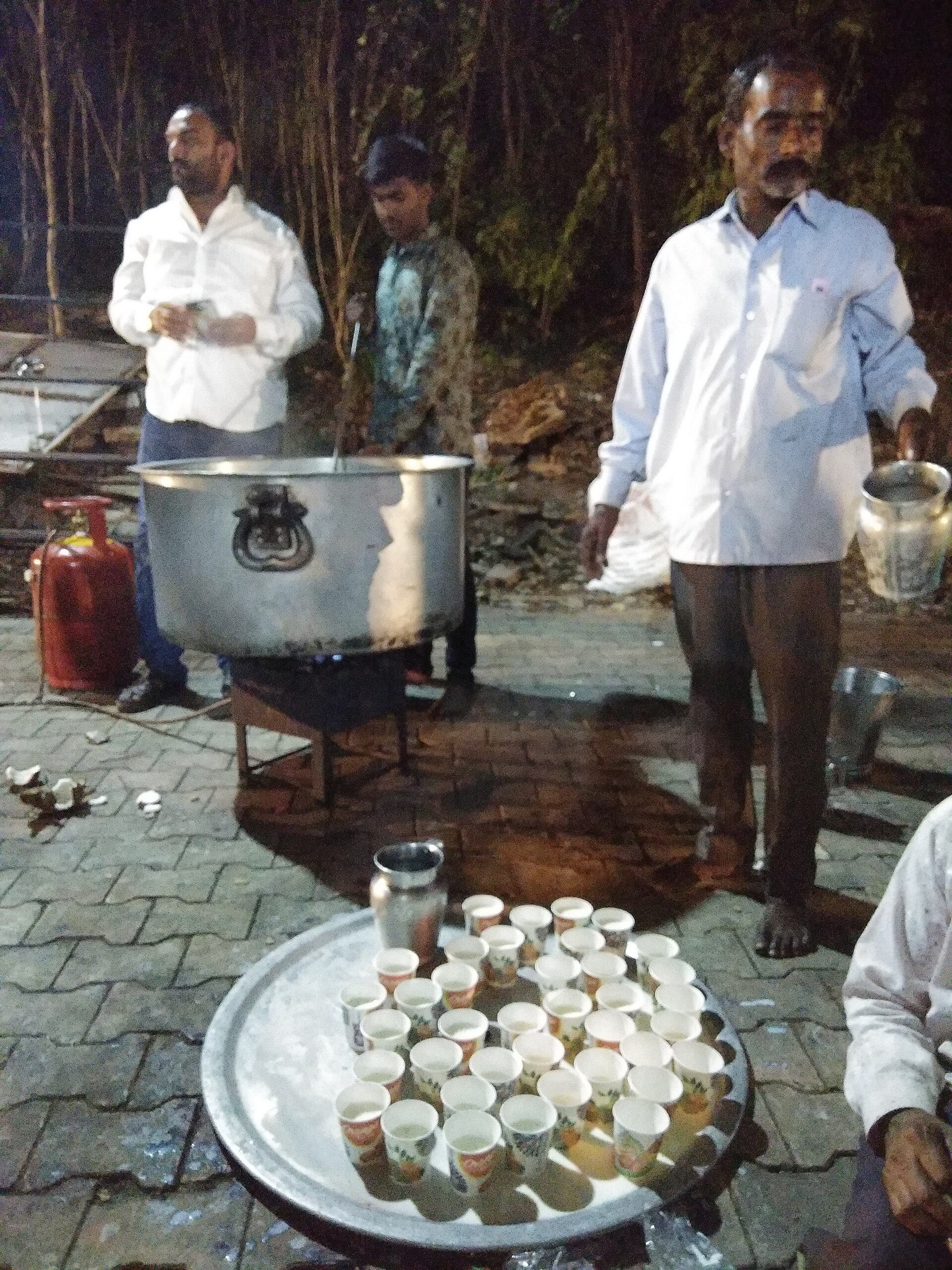
Photo: आर्या जोशी, CC BY-SA 4.0, via Wikimedia Commons
A simple puja for the night
Clean the entrance and light a lamp at the doorstep at dusk
Place an image or idol of Lakshmi, with flowers, a diya and a bowl of kheer
Offer the kheer after moonrise, and read a short Lakshmi stotra or sing a simple aarti
Keep a quiet vigil as long as is comfortable; there is no prize for staying up all night
A gentle practice for the night
Sit outside or at a window for ten minutes, phone away, and watch the moon. Many people use the quiet to read a short stotra, or simply to breathe slowly. You do not need an elaborate ritual to feel the night. If the sky is cloudy, light the lamp anyway; the intention is the practice.
Where to experience it
Vrindavan and Mathura hold particularly rich Sharad Purnima observances connected with the Rasa Lila. Puri, Kolkata and Gujarat’s temple towns also have their own customs. These places are busy at full-moon nights, so plan early, carry water and follow temple notices. For a mindful trip, see Divine Experiences at dharmikvibes.com and wellness notes at wellness.dharmikvibes.com.
Quick answers
When is Sharad Purnima 2026? Sunday 25 October, with the tithi running into the morning of 26 October. When does the moon rise? About 5:00 PM in New Delhi. What is Kojagara? The Lakshmi vigil observed on this night in Bengal, Odisha and Bihar.