

On Monday, 9 November 2026, the Amavasya tithi falls on a Monday, making it a Somvati Amavasya. The Amavasya tithi runs from late morning on 8 November to midday on 9 November (New Delhi), so the new moon is present at Monday's sunrise, and with it comes the year's last Somvati Amavasya, one of the most quietly powerful days in the Hindu calendar.
Amavasya comes every month. Somvar comes every week. When the two arrive together, tradition pauses and takes notice.

What makes Somvati Amavasya special
Monday belongs to Shiva and, through Shiva, to the Moon. The word Somvar itself carries Soma, the Moon, in its name. Amavasya is the night the Moon withdraws completely, the monthly emptying out before the slow return of light. When the Moon's own weekday meets the Moon's darkest night, the day is read as doubly receptive: a still point in the calendar where the mind naturally turns inward, to the past and to those who came before us.
The Skanda Purana and later vrata literature speak of Somvati Amavasya as a day when tarpan, the water offering to the ancestors, carries multiplied merit. Women have traditionally kept a vrat on this day for the long life and wellbeing of their husbands and families, much as they do on Vat Savitri, and many households mark it with a simple fast and an evening lamp rather than any elaborate ceremony.
The ancestors come first
Amavasya in any month is the day of the pitrs, the forefathers. On Somvati Amavasya, that remembrance becomes the heart of the day. Families that can, bathe in a sacred river: the Ganga at Haridwar or Prayagraj, the Yamuna, the Narmada, or any river, lake or sea that holds meaning for them. The bath is followed by tarpan, water offered with black sesame, with the names of the departed spoken or held in the mind.
Those who cannot reach a river are not excluded. A bath at home at sunrise, a small offering of water facing south, a diya lit in the evening for the ancestors, and food or charity given in their name are all the tradition asks. The Shraddha literature is consistent on one point: intention outweighs geography.
Shiva, the peepal and the lamp
Because it is a Monday, Shiva worship colours the day. Many devotees combine the Somvati vrat with their ordinary Monday practice: abhishekam of the Shivalinga with water or milk, bel leaves offered, the Mahamrityunjaya mantra chanted a hundred and eight times or as many times as the day allows.


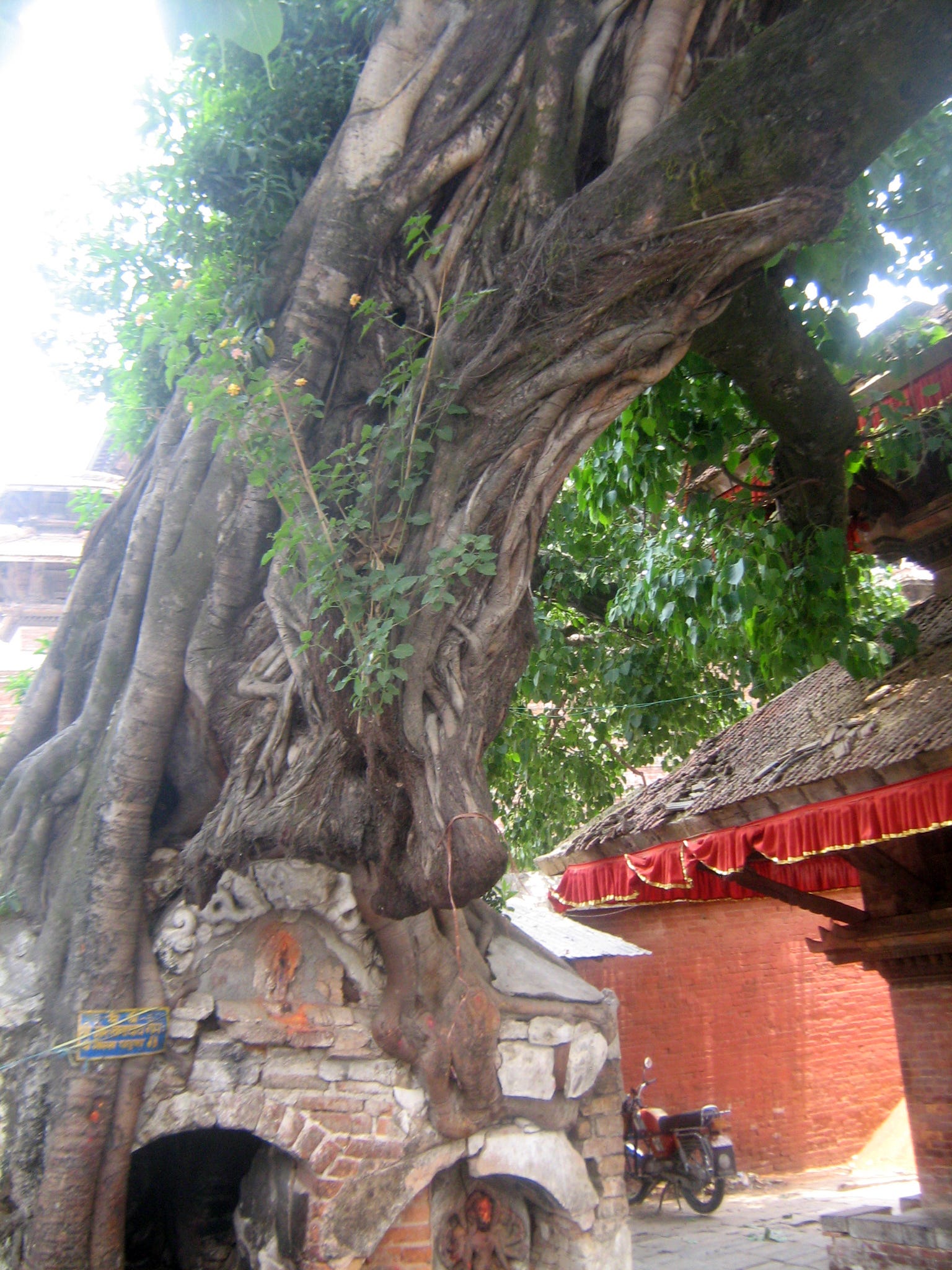
The peepal tree has its own place on Somvati Amavasya. Tradition holds that the peepal shelters the ancestors, and circumambulating it 108 times, offering water at its roots and tying a thread around its trunk are the day's long-kept practices. Married women tie the thread praying for their husband's long life; the unmarried pray for a good partner. It is one of those customs that carries entire family histories in a single loop of red thread.
How to observe the day
The day asks for simplicity, not performance.
- Begin before sunrise with a bath, in a river if one is near, at home if not. - Offer tarpan to the ancestors with water and black sesame, facing south. - Keep a fast as you are able: a full fast, a single meal, or phalahar of fruits and milk. There is no prize for severity. - Worship Shiva as on any Monday, with the awareness that the day doubles the offering. - Light a diya under a peepal tree or at your home altar in the evening, and give something in the name of your ancestors: food, grain, cloth or money to someone who needs it. - Speak the names of the departed. Remembrance is itself the offering.
A day of quiet
Somvati Amavasya is not a festival of noise. There are no processions, no fireworks, no feast. It is a Monday like any other to the outside eye: offices open, trains run, the week begins. But in thousands of homes a lamp is lit a little earlier, a handful of sesame is offered with water, and three generations of names are spoken aloud.
That is the shape of the day: the week begins with work, and it also begins with memory.
At DharmikVibes, our vision is to enable Divine Experiences for every seeker, on every yatra, including the ones that happen at the home altar before the day begins. May this Somvati Amavasya bring peace to your ancestors and steadiness to your home.