

Some years are for staying home. 2027 is not one of them.
The coming year stacks rare moments on top of each other: the Ardh Kumbh at Haridwar, the third anniversary of the Ram Mandir’s Pran Pratishtha, a Jupiter exalted in Cancer for the first half of the year, and a Maha Shivaratri that falls on a Saturday. If you have been waiting for a sign to plan the family’s yatra calendar, this is it. Here are the ten temples that belong in your 2027, in the order the year will bring them.

1. Ram Mandir, Ayodhya
On 22 January 2027, Ayodhya celebrates Pran Pratishtha Diwas, the third anniversary of the consecration of Ram Lalla. The temple now stands complete: on 25 November 2025 the Dharma Dhwaj, an 11-kg saffron flag, was hoisted atop the main shikhar at the Dhwajarohan Utsav, marking the completion of the Shri Ram Janmabhoomi Mandir. The anniversary week will bring special darshan, kirtan and a sea of devotees. Best time: the weeks around 22 January, or any winter morning before the summer crowds. Book darshan slots and hotels well ahead; Ayodhya sells out on auspicious days.
2. Sabarimala, Kerala
The Mandala season that began in November 2026 climaxes with Makaravilakku on Thursday, 14 January 2027, when the Makara Jyothi star rises and the deeparadhana flame appears at Ponnambalamedu. It is the single most attended day of the Ayyappa season. Remember the discipline: the 41-day vratham, the irumudi, the eighteen steps. If January is too crowded, the temple opens for the first five days of every Malayalam month through the year.
3. Haridwar, Uttarakhand
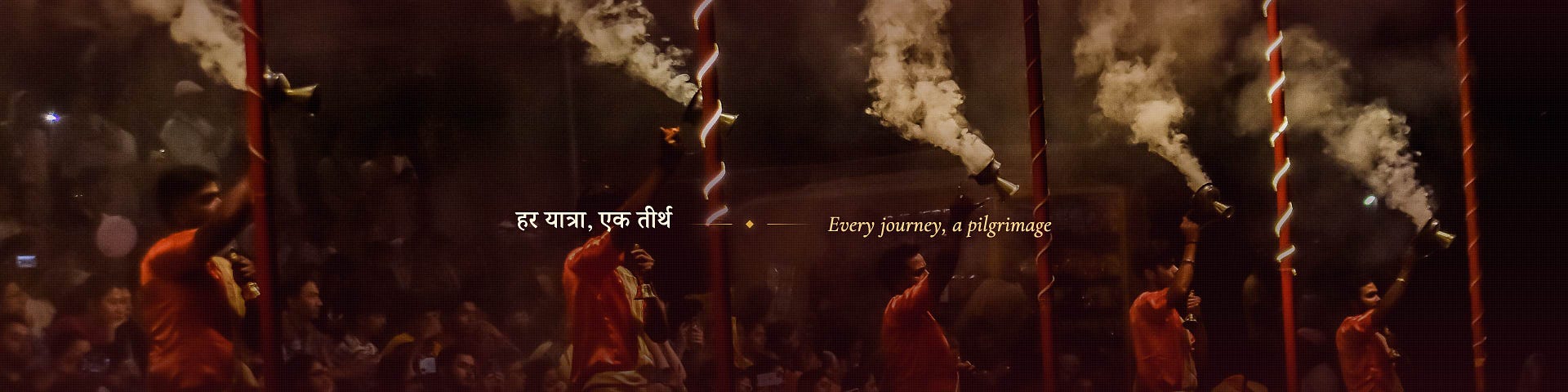
The Ganga calls in 2027. Haridwar hosts the Ardh Kumbh, the half-Kumbh that comes midway between the full Kumbhs, and crores will gather at Har Ki Pauri for the shahi snans through the early months of the year. Even outside the snan dates, the Ganga aarti at dusk this year carries a Kumbh’s charge. Go in the cooler months, stay near the ghats, and bathe before sunrise.
4. Kashi Vishwanath, Varanasi
Maha Shivaratri falls on Saturday, 6 March 2027, and there is no Shivaratri like Kashi’s: the entire city becomes a single temple, the queues move all night, and the Vishwanath corridor glows. Come a day early, keep the fast, do the four-prahar puja if you can, and take the dawn boat past the ghats the next morning. Kashi in early March is cool, crowded and utterly alive.
5. Tirumala Venkateswara, Tirupati
Tirumala enters 2027 with new splendour: the 121 kg of gold ornaments offered to the Lord in November 2026, the largest offering of its kind in the TTD’s history, will now adorn the presiding deity. Any darshan this year carries that newness. Book special entry darshan online weeks ahead, keep a day for Tiruchanoor’s Padmavati Ammavaru, and if your dates are flexible, aim for the quieter weeks after Makaravilakku season ends in the South.

6. Vaishno Devi, Katra
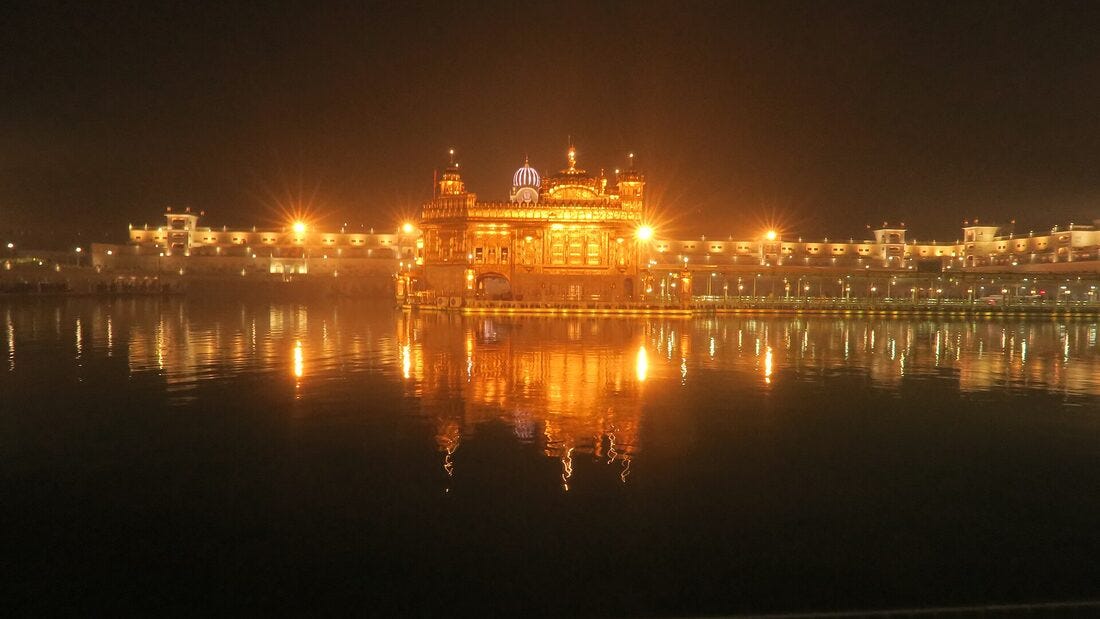
Chaitra Navratri in April 2027 is the classic window for Mata Vaishno Devi: the yatra route blooms, the Bhawan is decorated, and the old route through Charan Paduka is at its kindest. The ropeway and the Tarakote track make the climb gentler for elders. Register for the yatra slip online before you travel, and keep Bhairon Nath’s temple on the itinerary: the yatra is complete only there.
7. Kedarnath and Badrinath, Uttarakhand
The Char Dham kapat traditionally reopen around Akshaya Tritiya, which falls on Sunday, 9 May 2027. Kedarnath asks for a 16 km trek or a booked helicopter seat; Badrinath drives straight to the temple town. May and June are the classic months; September and early October bring thinner crowds and sharper skies. Register on the Uttarakhand yatra portal, acclimatise, and never rush the mountains.
8. Kamakhya, Guwahati
In late June, usually around 22 to 26 June, the Kamakhya temple closes for three days as the Goddess undergoes her annual retreat, and the Ambubachi Mela gathers sadhus, tantriks and devotees from across Asia on Nilachal Hill. When the doors reopen, the prasad of the Goddess’s fertility is distributed to lakhs. It is one of the oldest and most astonishing living festivals on earth. Confirm the temple’s official dates before booking.
9. Mahakaleshwar, Ujjain
Ujjain is quietly preparing for the Simhastha Kumbh of 2028, and 2027 is the year to see Mahakal before the Kumbh crowds arrive: the Bhasma Aarti at dawn, the Shipra ghats, the new corridors. Attending the Bhasma Aarti, where the jyotirlinga is worshipped with sacred ash before sunrise, is an experience people carry for life. Book the aarti online; seats go fast on Mondays and in Shravan.
10. Rameswaram, Tamil Nadu
The year’s list should end where so many yatras end: at the sea. Rameswaram’s Ramanathaswamy temple, with its endless corridors and 22 theerthams, completes the Kashi-Rameswaram circle that tradition asks every pilgrim to close. Bathe at Agni Theertham at dawn, walk the corridor slowly, and drive the Pamban bridge with the windows down. Pair it with Madurai’s Meenakshi temple if you have two days.
How to plan the year
A simple way: January for Ayodhya and Sabarimala, February and March for the Ardh Kumbh and Kashi, April for Vaishno Devi, May and June for the Char Dham and Kamakhya, the monsoon for Ujjain, and the winter for Tirumala and Rameswaram. Book darshan slots, aarti seats and hotels the moment dates open, carry ID everywhere, and keep one buffer day per temple.
At DharmikVibes, our vision is to enable Divine Experiences for every seeker, on every yatra. Tell the year where you want to bow your head, and may every road you take in 2027 lead to darshan.