

Most people picture the Vaishno Devi yatra in the Navratri crowds of spring and autumn: the long queues at Banganga, the chants rising up the Trikuta hills, the throng at the Bhawan. But there is another yatra, quieter and colder, that many old pilgrims will tell you is the one they love most. In December, January and February, the same thirteen kilometres of mountain path empty out, the hills above Adhkuwari turn white, and darshan at the holy cave takes minutes instead of hours.
Winter at Vaishno Devi is real winter. The shrine sits at about 5,200 feet, and snow falls on the upper track most years, sometimes heavily enough to pause the yatra for a day or two. But the pilgrimage never closes for the season. The Shrine Board keeps the track, the shelters and the Bhawan running through the cold months, and for the pilgrim who packs well and plans sensibly, this is a deeply peaceful time to go.
This guide is for anyone thinking of the winter yatra, and especially for NRIs and first-timers planning around the Christmas and New Year break. It covers what the cold actually feels like, how registration works, the two tracks up the mountain, how to reach Katra, and the practical notes that matter when the temperature drops below freezing at the top.
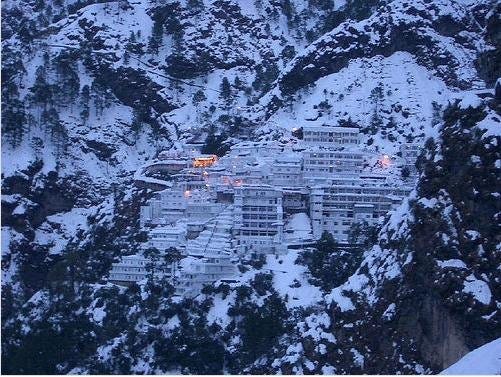
Why winter is a special time for the yatra
The goddess Vaishno Devi, the tradition says, performed her penances in these hills before merging into the three sacred Pindis worshipped in the holy cave. Pilgrims have climbed to her through every season for centuries, but the rhythm of the yatra changes completely with the cold. The great crowds of the Navratris and the summer holidays thin away, the wait for darshan shrinks to almost nothing on ordinary days, and the mountainside belongs to the sound of the wind and the bells.
There is one bright exception: the week between Christmas and New Year, when families on school holidays arrive in strength and the yatra briefly returns to its festive rush. The rush is real enough that registration has been paused for a day at the New Year peak in recent years. If you want the quiet winter, go in the first three weeks of December or after the first week of January. If you want the festive crowd, the New Year week will give it to you.
What you get in exchange for the cold is hard to overstate: the Bhawan under fresh snow, the lights of Katra twinkling far below as you climb in the early morning, and a darshan without hurry. Many pilgrims also find the climb itself easier in the cold, when the summer's heat and the monsoon's humidity are both absent.
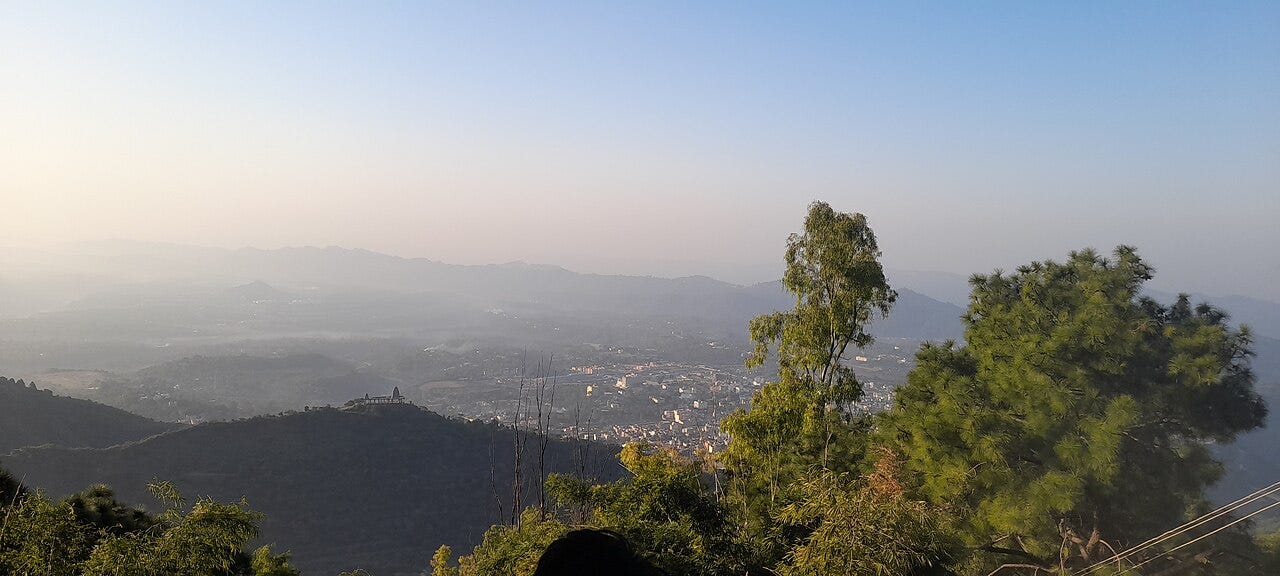
The cold, honestly: what winter means at 5,200 feet
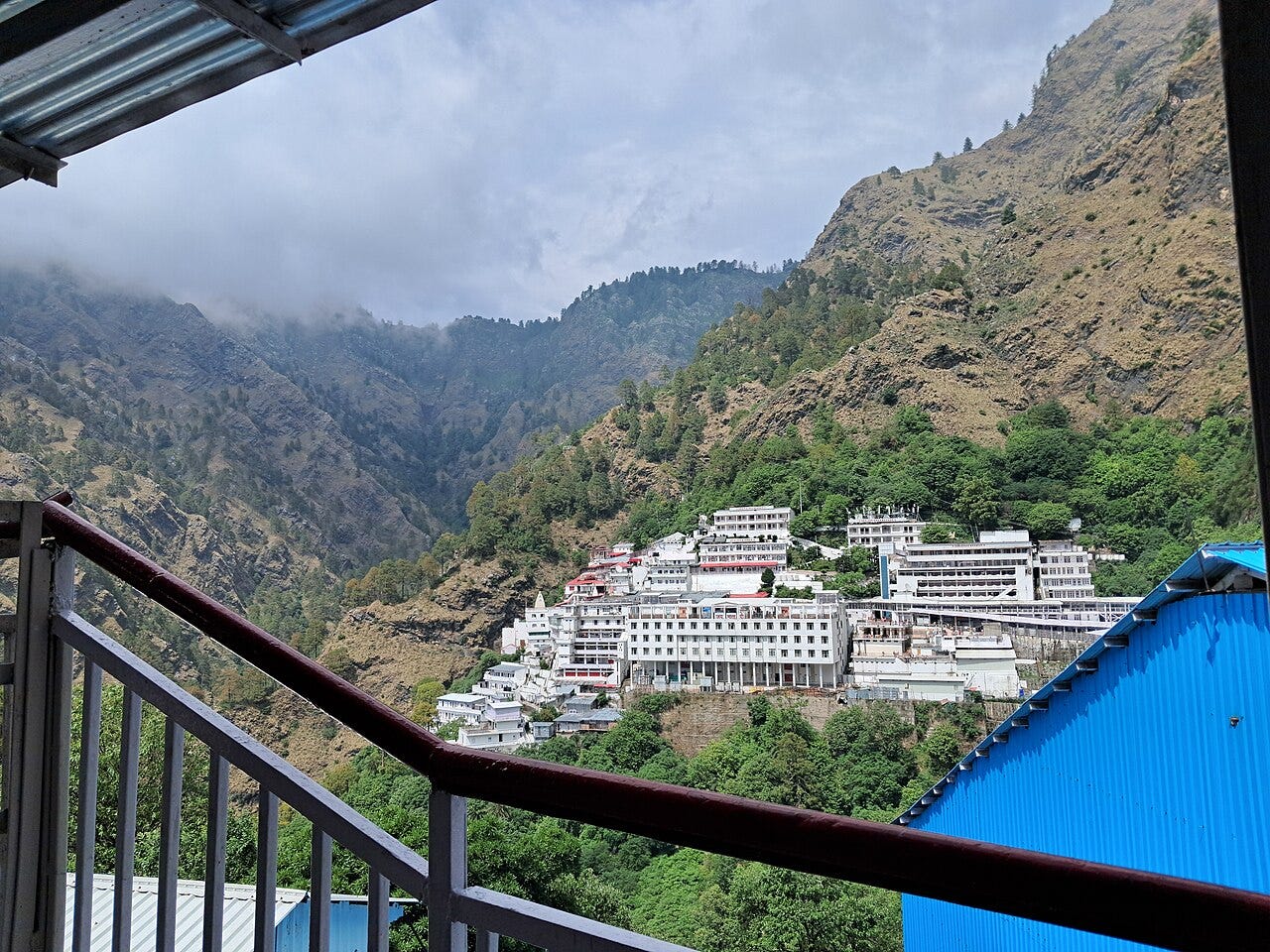
Katra, the base town at about 750 metres, has a gentle winter: sunny days, cold nights, much like Jammu. The Bhawan, at roughly 1,580 metres, is a different world, commonly eight to ten degrees colder. Typical January days at Katra range between 0 and 8 degrees Celsius, while the Bhawan can sit between minus 5 and 2 degrees, with December and February only a little milder. Snow is likely at the Bhawan and above Adhkuwari from late December into February.
Two practical consequences follow. First, the track can be icy, and on days of heavy snowfall the yatra is temporarily suspended at the base until the path is safe, as happened in late January 2026 when the season's first heavy snow stopped the climb from Katra for a spell. Such pauses are usually short, but build a spare day into your plan in winter. Second, everything weather-dependent runs to the sky's schedule: the helicopter between Katra and Sanjichhat flies only in fair conditions, and fog or snow can ground it with little notice.
Pack for the top, not the town. Thermals, a fleece, a windproof and waterproof outer layer, gloves, warm socks and shoes with a real grip are the core kit. The Shrine Board provides blankets free at the Bhawan, and heated shelters and hot tea stalls line the track all winter, so you are never far from warmth. But the half hour of standing still for darshan in a pre-dawn queue, even a short one, is when the underdressed pilgrim regrets packing for Katra.


Before you start: registration and the RFID card
Every pilgrim, child or adult, must register before climbing. Registration is free and is done only by the Shri Mata Vaishno Devi Shrine Board, which photographs each pilgrim and issues an individual RFID Yatra Access Card. The card is checked along the route, and no one is allowed beyond the Banganga check post without a valid one.
You can register online in advance on the Shrine Board's own portal and collect your card as instructed, or simply walk up to a counter in Katra: the main Yatra Registration Counter near the bus stand, or YRC-II on Udhampur Road about a kilometre away, which is convenient if you arrive by coach. One rule catches people out: you must cross the Banganga check post, about a kilometre and a half from the counter, within six hours of your card being issued, or the card lapses and you register again. So register when you are genuinely ready to climb: checked in, luggage deposited, dressed for the mountain.
A word of caution that the Shrine Board itself repeats: registration is free, and only the Board issues it. Agents, touts and lookalike websites that charge for a yatra parchi or RFID card are not authorised. Book helicopter seats, rooms, battery car and poojan only on the Board's official online portal.
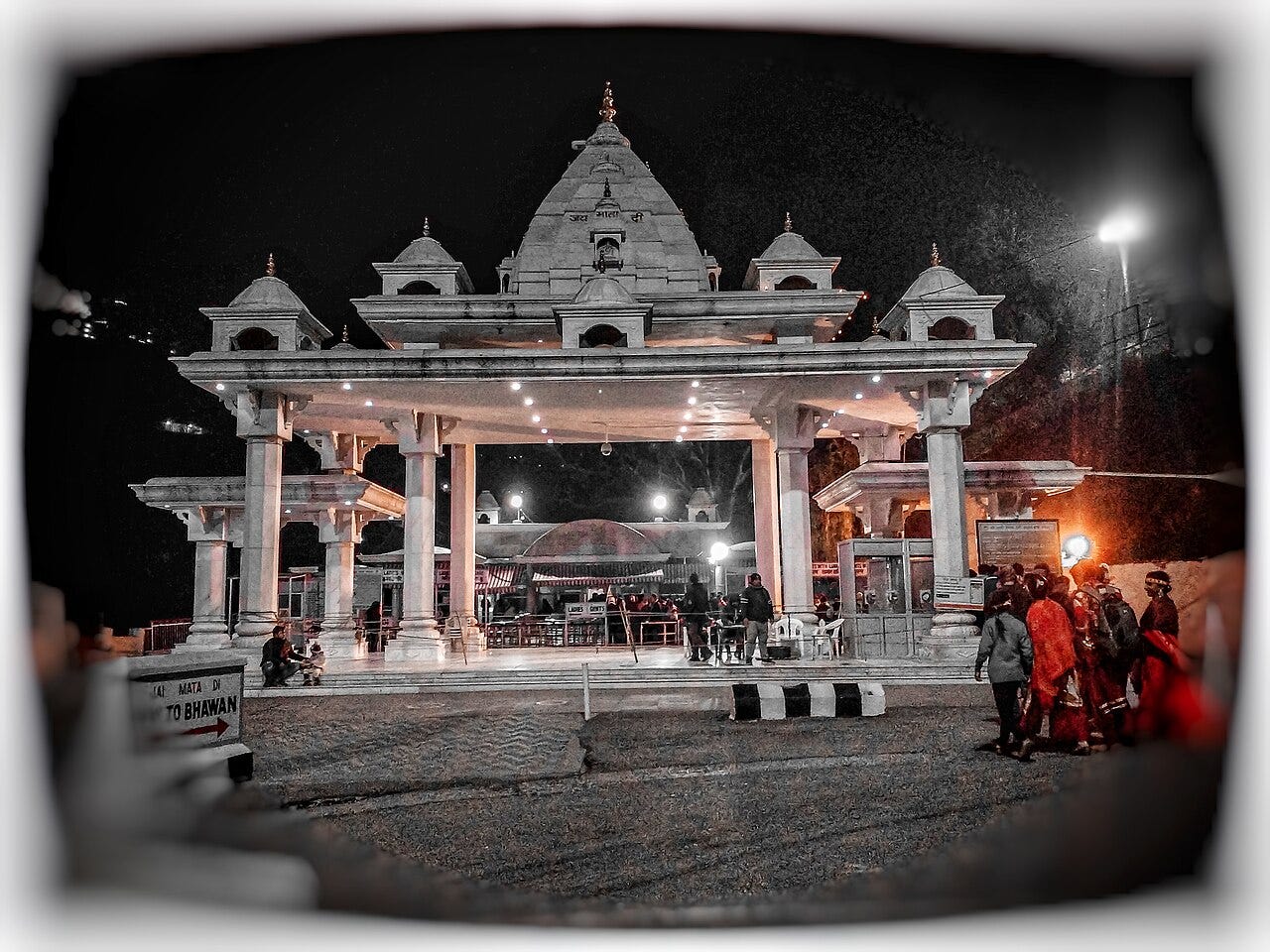

The climb: Banganga and Tarakote
The traditional route runs about thirteen kilometres from the Banganga check post to the Bhawan, climbing past Charan Paduka, where the goddess's footprints are worshipped, to Adhkuwari, the halfway point where she is believed to have meditated in a cave, and on through Sanjichhat to the shrine. This is the living heart of the yatra: tea stalls and shelters every few hundred metres, the chants of Jai Mata Di carrying up and down the slope, ponies, palkis and porters for those who need them.
The newer Tarakote Marg leaves from the other side of Katra and rejoins the mountain near Adhkuwari. It is pedestrian-only, gently graded and cleaner, with no ponies on it, and a battery car runs on its upper section between Adhkuwari and the Bhawan for those who qualify. Many pilgrims now climb by Tarakote and descend by the old Banganga route, which gives you both faces of the yatra.
For knees, age or time, there are two more options. Ponies and palkis can be hired on the traditional route at regulated rates. And the helicopter flies from Katra to Sanjichhat in about eight minutes, leaving a walk of roughly two and a half kilometres to the Bhawan. Seats are booked only on the official portal, there is a dedicated quota for senior citizens and specially abled passengers, and in winter every flight is weather permitting, so treat the helicopter as a bonus, not a promise. After darshan, most pilgrims also visit the Bhairon temple across the valley; a ropeway runs between the Bhawan and Bhairon during the day, which saves the steep climb.

Getting to Katra, and notes for NRIs
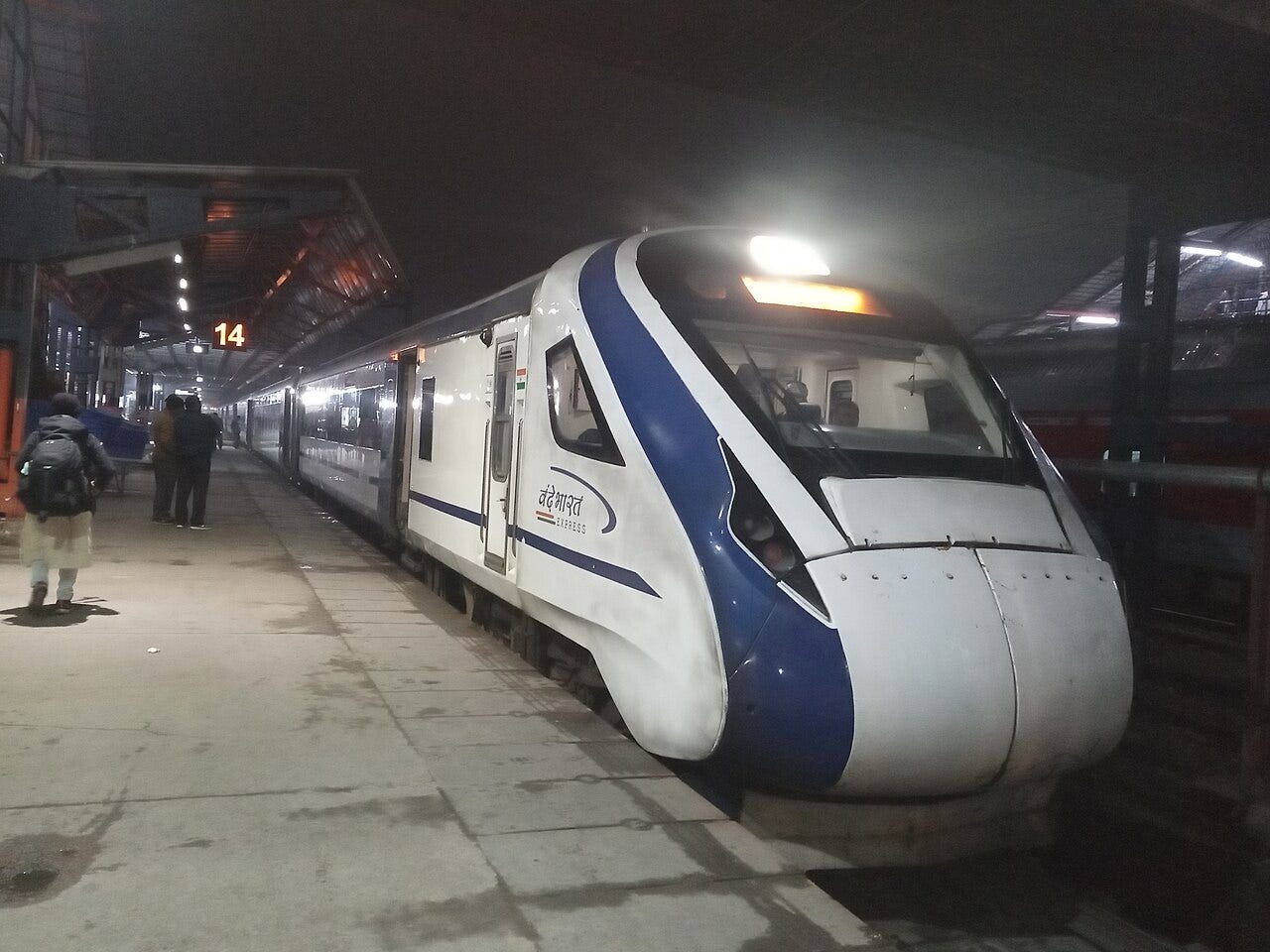
Katra is one of the best-connected pilgrimage towns in the country. The railway reaches right into town: the Vande Bharat from New Delhi covers the journey in about eight and a half hours, and overnight trains like the Shri Shakti Express let you sleep on the way and start the climb fresh in the morning. The nearest airport is Jammu, about fifty kilometres away, with taxis and buses covering the winding road to Katra in roughly an hour and a half. Booking trains and hotels well ahead is still wise for the New Year week, the one crowded stretch of winter.
If you are an NRI or coming from abroad, the smoothest route is to fly into Delhi and take the Vande Bharat or a connecting flight to Jammu. Give the yatra two full days: arrive in Katra, register and rest on day one, climb and return on day two, and hold a spare morning if you are travelling in January, when a heavy snowfall can pause the track for a short while. One more thing, said plainly: some foreign governments currently advise against non-essential travel to Jammu and Kashmir. Indian pilgrims are unaffected and the yatra runs normally, but if you hold a foreign passport, read your own government's latest advisory before you book.

Questions first-timers ask
Is Vaishno Devi open in winter? Yes. The yatra runs all year, and only heavy snowfall pauses it, usually for a day or two at a time. The Bhawan, shelters and Bhojanalayas stay open through the cold months.
How cold does it get? Katra's winter days are mild, but the Bhawan, at about 5,200 feet, commonly sits between minus 5 and 2 degrees Celsius in January, with snow likely from late December into February. Dress for the top of the mountain, not the base town.
Does the helicopter fly in winter? Yes, but only in fair weather. Fog and snow can ground the Katra to Sanjichhat shuttle with little notice, so never build a tight same-day connection on top of a helicopter booking.
How do I register? Registration is free and mandatory, done only by the Shrine Board, online on its official portal or at its counters in Katra. You are photographed and given an RFID card, and you must cross the Banganga check post within six hours of issue.
Which track should I take? The old Banganga route, about thirteen kilometres, has the shops, ponies and the classic yatra atmosphere. The newer Tarakote Marg is gentler and pedestrian-only, with a battery car on its upper section. Many climb by Tarakote and descend by Banganga.
Is winter good for elderly pilgrims? It can be, with planning. The crowds are small, palkis and ponies are available, the helicopter has a senior citizen quota, and blankets are free at the Bhawan. The cold is the main risk, so dress warmly and keep the plan flexible.
When is the winter rush? Only the Christmas to New Year week. The rest of December, January and February are among the quietest days of the year on the mountain.