

On Monday, 14 December 2026, devotees celebrate Vivah Panchami, the divine wedding anniversary of Lord Rama and Goddess Sita. The Panchami tithi of Margashirsha Shukla Paksha runs from the evening of 13 December to the evening of 14 December (New Delhi), and the celebration belongs to the day itself.
In Janakpur, the city of King Janaka in present-day Nepal, this is the biggest festival of the year. In Ayodhya, the groom's city, the wedding is celebrated with equal joy. Between them, a story retold for countless generations still draws wedding processions, tableaux, and crowds who come to watch two deities marry.

The bow of Shiva
The Ramayana tells it as a swayamvara unlike any other. King Janaka of Mithila possessed the bow of Shiva, a weapon so immense that the city's kings could not lift it, let alone string it. For his daughter Sita, found as an infant in the furrow of a ploughed field, Janaka set the condition: the man who strings the bow wins her hand.
Kings and princes came and failed. Then Vishvamitra arrived with the young princes of Ayodhya, and Rama, still in his teens, stepped forward. He lifted the bow, and as he strung it, it broke in his hands with a sound the texts describe as thunder. Sita garlanded him. The wedding that followed joined Mithila and Ayodhya not just as kingdoms but as the two poles of the Ramayana: the land that raised Sita, and the land that would be tested for her.
Why a wedding is scripture
Vivah Panchami is not only a commemoration. The tradition reads the marriage of Rama and Sita as a teaching about dharma itself. Rama embodies maryada, the discipline of righteousness; Sita embodies the earth's patience and fidelity. Their wedding is the meeting of the two, and the Ramayana that follows, with all its trials, is read as what it costs to keep that union sacred in a world that tests it.
That is why married couples worship on this day for harmony, and families pray for the marriages of their children. The blessing sought is not romance but what the tradition calls saubhagya: the durable, dharma-rooted good fortune of a household.
How the day is celebrated
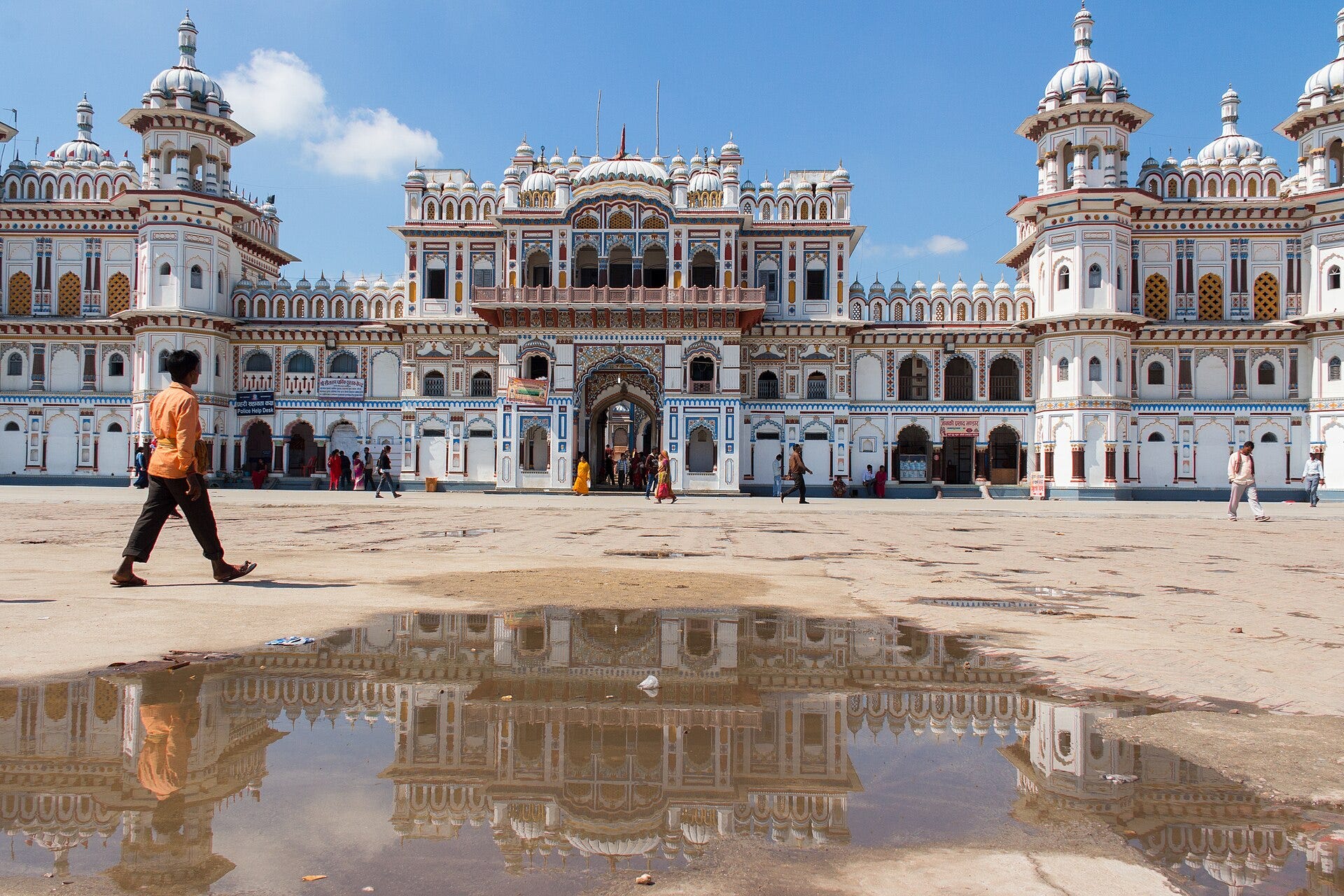

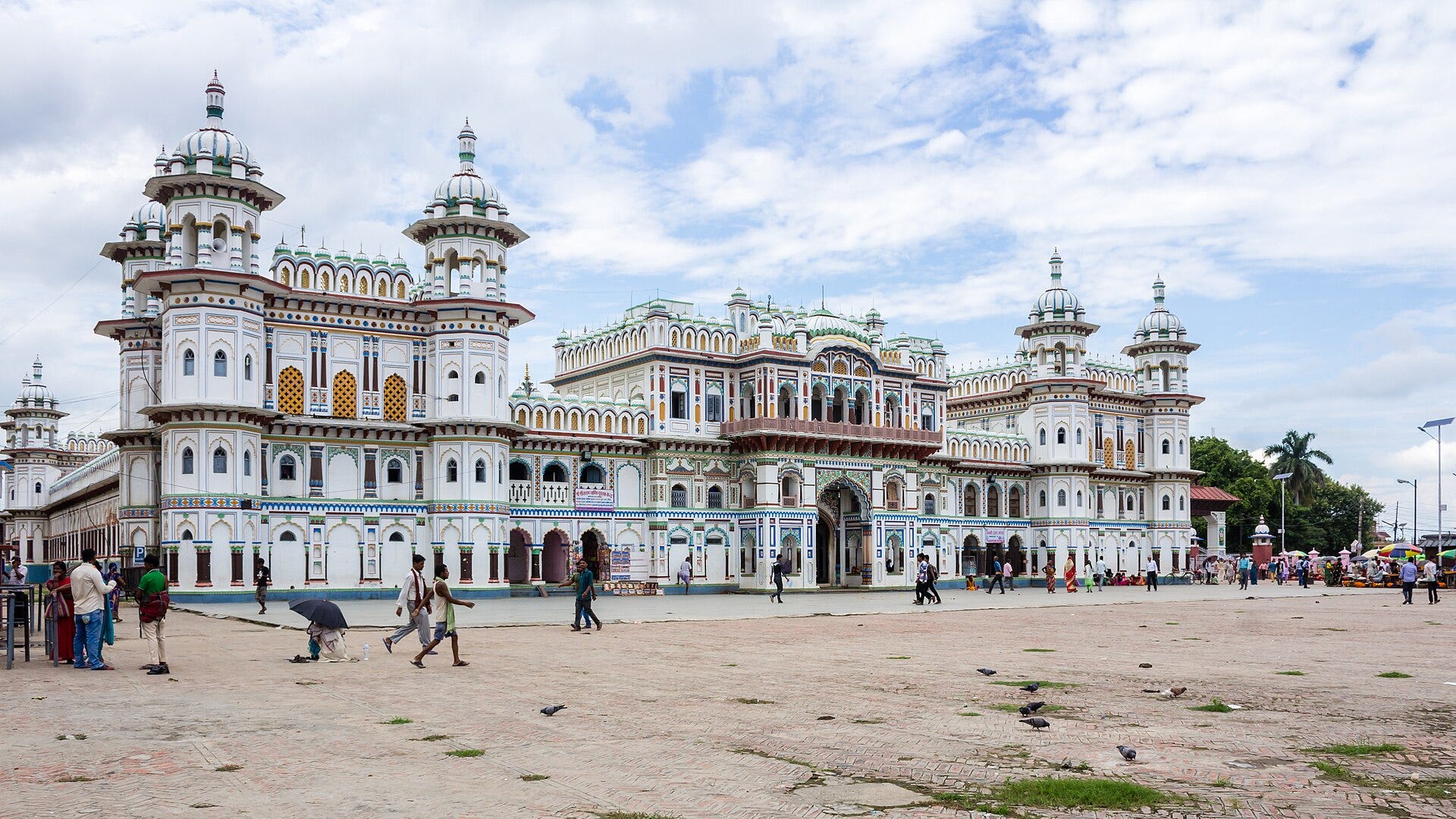
In Janakpur, the Janaki Mandir becomes the bride's house. The wedding is re-enacted over several days: the arrival of the baraat, the swayamvara, the breaking of the bow, the pheras, and the vidaai that still brings tears, because every father in the crowd knows Janaka's parting. In Ayodhya, temples hold their own celebrations, and the Ramayana's wedding cantos are recited.
At home, the observance is simple:
- Bathe and take a sankalpa in the morning; many keep a vrat through the day. - Worship Rama and Sita together, with flowers, dhupa, deepa and naivedya. - Read or listen to the Sita Swayamvara and Vivaha episodes from the Valmiki Ramayana or the Ramcharitmanas. - Sing the mangala geet, the wedding songs. In Mithila's tradition the wedding songs are the scripture's folk voice. - Bless the marriages in your own family; call the ones who are far.
Questions devotees ask
Is Vivah Panchami a good day for a wedding? The tradition treats the day itself as auspicious for celebrating and remembering marriage; actual wedding muhurats depend on the full panchang, and families consult their own purohit.
Is it the same as Sita Navami? No. Sita Navami in Vaishakha marks Sita's appearance; Vivah Panchami marks the wedding.
At DharmikVibes, our vision is to enable Divine Experiences for every seeker, on every yatra. May Rama and Sita bless every home that remembers their wedding with the same dharma that built their own.