

This week, the Himalaya changes guard. On 10 November the doors of Gangotri close; on the morning of 11 November, Kedarnath's kapat are shut at 8:30 and Yamunotri's soon after; on the evening of 16 November, at 9:37, Badrinath's great doors close too. By the third week of November the four most famous temples of Uttarakhand are under snow, and the Char Dham yatra, which carried lakhs of pilgrims up the mountains all summer, is officially over.
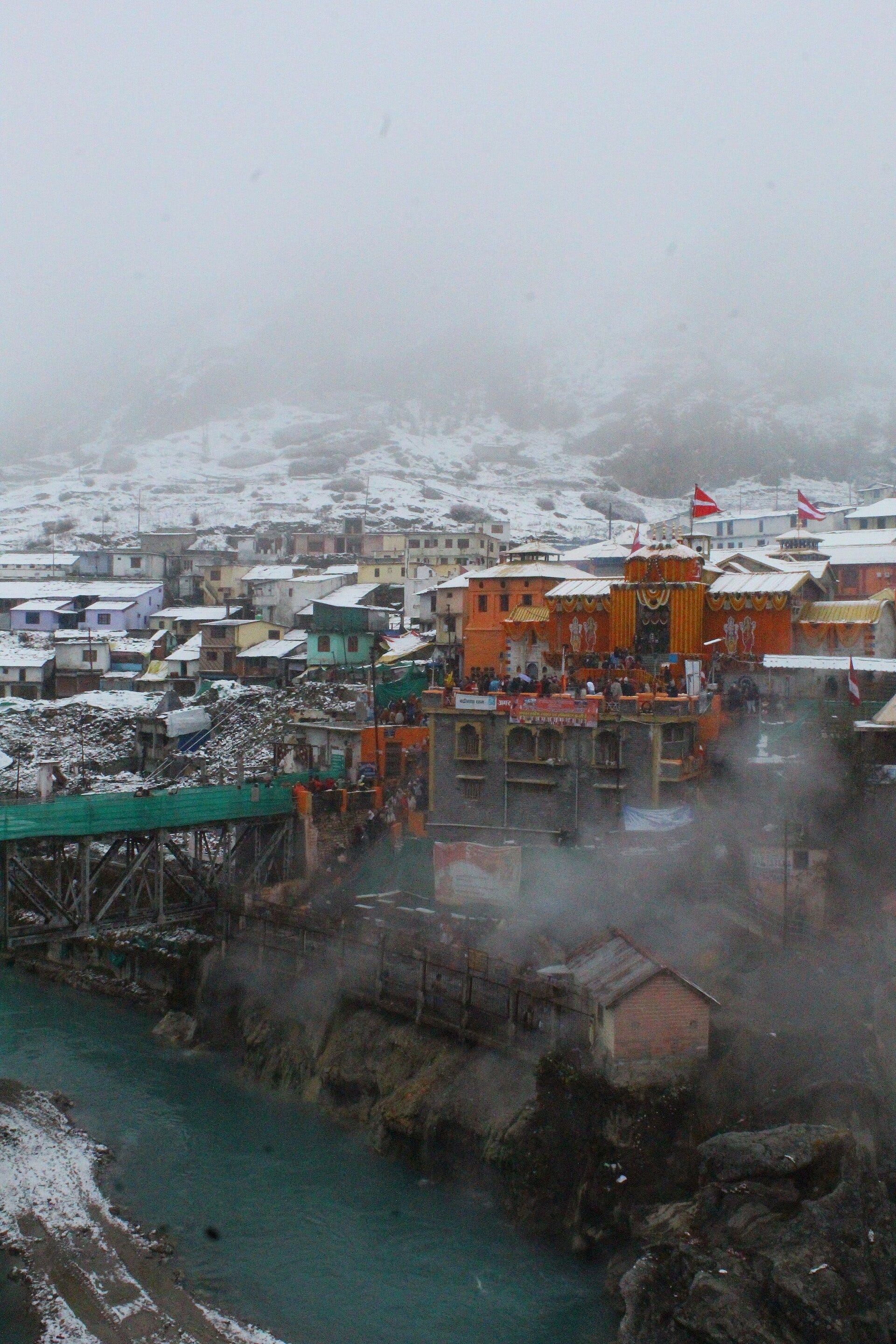

But here is what most people, even many regular yatris, never learn: the gods do not stay behind. Each deity is carried down the mountain in procession, in a palanquin, with drums and chanting and whole villages turning out, to a winter home lower in the valley. There, in four small towns and villages, the lamps are lit every single day until the snow melts and the doors open again in spring. The yatra never actually stops. It just moves downhill, becomes quieter, and, for those who know, more intimate.
This is a guide to the winter seats of the Char Dham: where the gods go, what happens there, and how you can make this quieter yatra yourself, whether you live in Dehradun or in Dubai.
A custom older than the roads
Long before motor roads reached these valleys, the priests of the high temples faced a simple problem: no human being can serve a shrine through a Himalayan winter at three thousand metres. The answer the tradition found was elegant. The deity is understood to be present not in the building but in the murti, the consecrated form. So when winter comes, the murti travels.
The closing day itself is a festival of farewell. The palanquin, the doli, is decorated with flowers; the deity is placed in it with ceremony; and the procession winds down the mountain paths it has walked for centuries, halting at villages on the way. At Kedarnath the tradition is especially vivid: the panchmukhi doli, the five-faced palanquin, descends through Guptkashi to Ukhimath over a couple of days, and villagers host it overnight as an honoured guest. What leaves is not a statue. It is the Lord going to his winter home, and the valley treats the journey exactly that way.
Ukhimath: where Kedarnath spends the winter
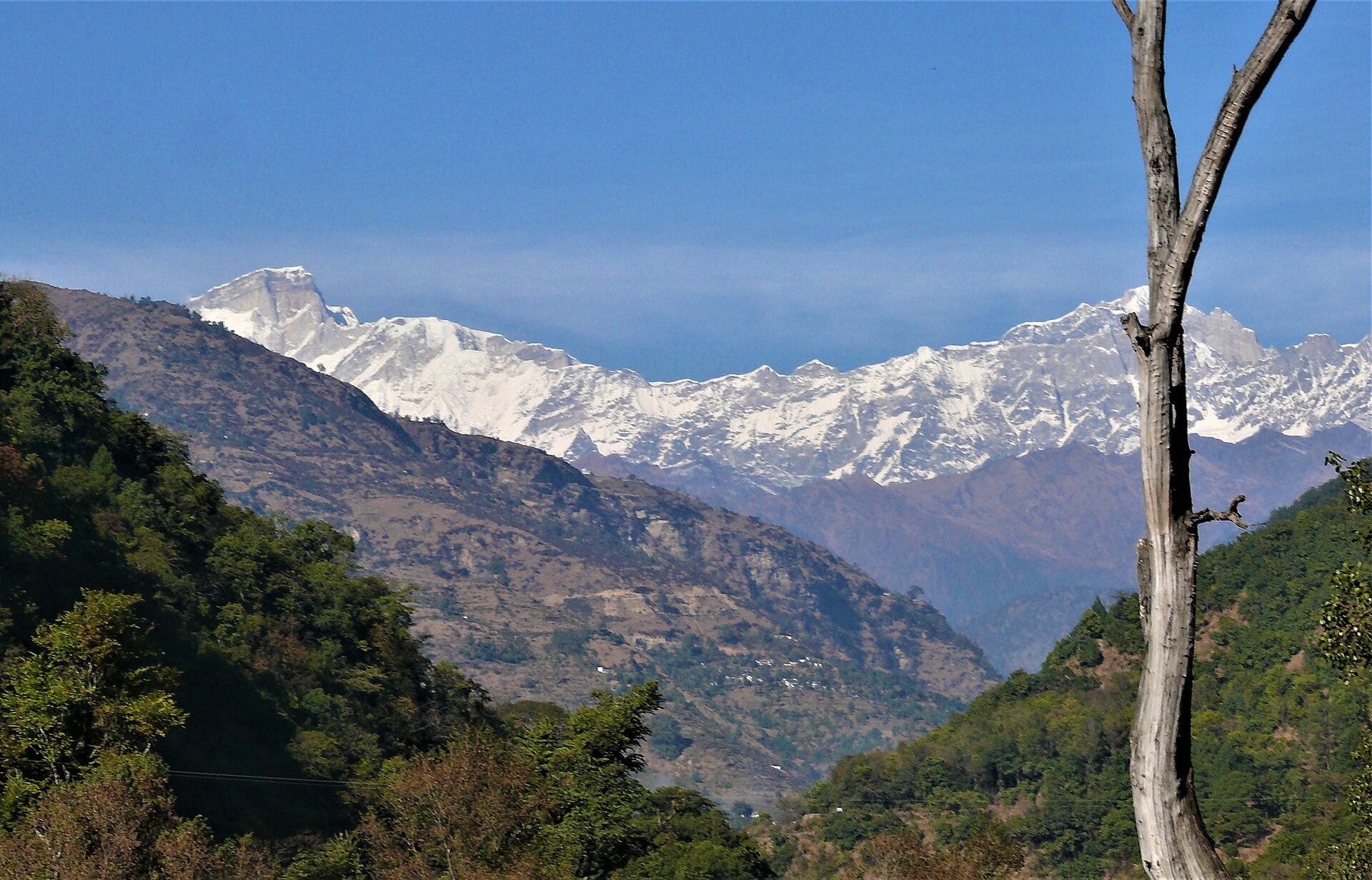

Ukhimath sits on a ridge in the Rudraprayag district, about 41 kilometres by road from Rudraprayag town, at roughly 1,300 metres: high enough for deodar forests and views of the snowline, low enough to stay open all year. The Rudraprayag district administration itself names Ukhimath as the winter seat of Lord Kedarnath.
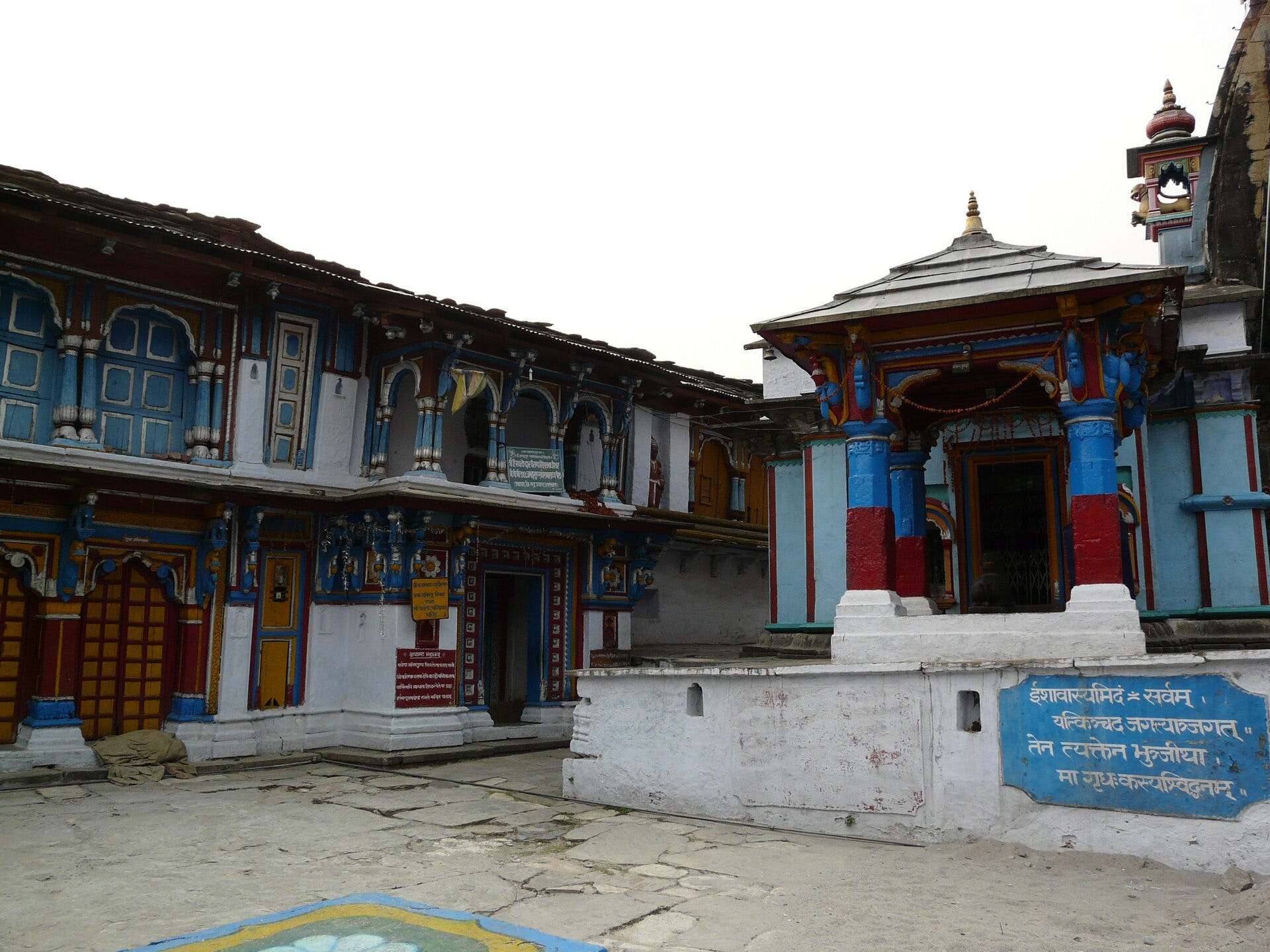

The winter home is the Omkareshwar temple in the heart of the old town, a small complex of painted wooden shrines and stone courtyards. Here the murti of Kedarnath is installed after the kapat close, and the full daily worship of the winter, morning abhishekam, evening aarti, festival days, is performed exactly as it would be up the mountain. Ukhimath carries a double honour: it is also the winter seat of Madhyamaheshwar, the second of the Panch Kedar, whose own kapat close on 16 November.
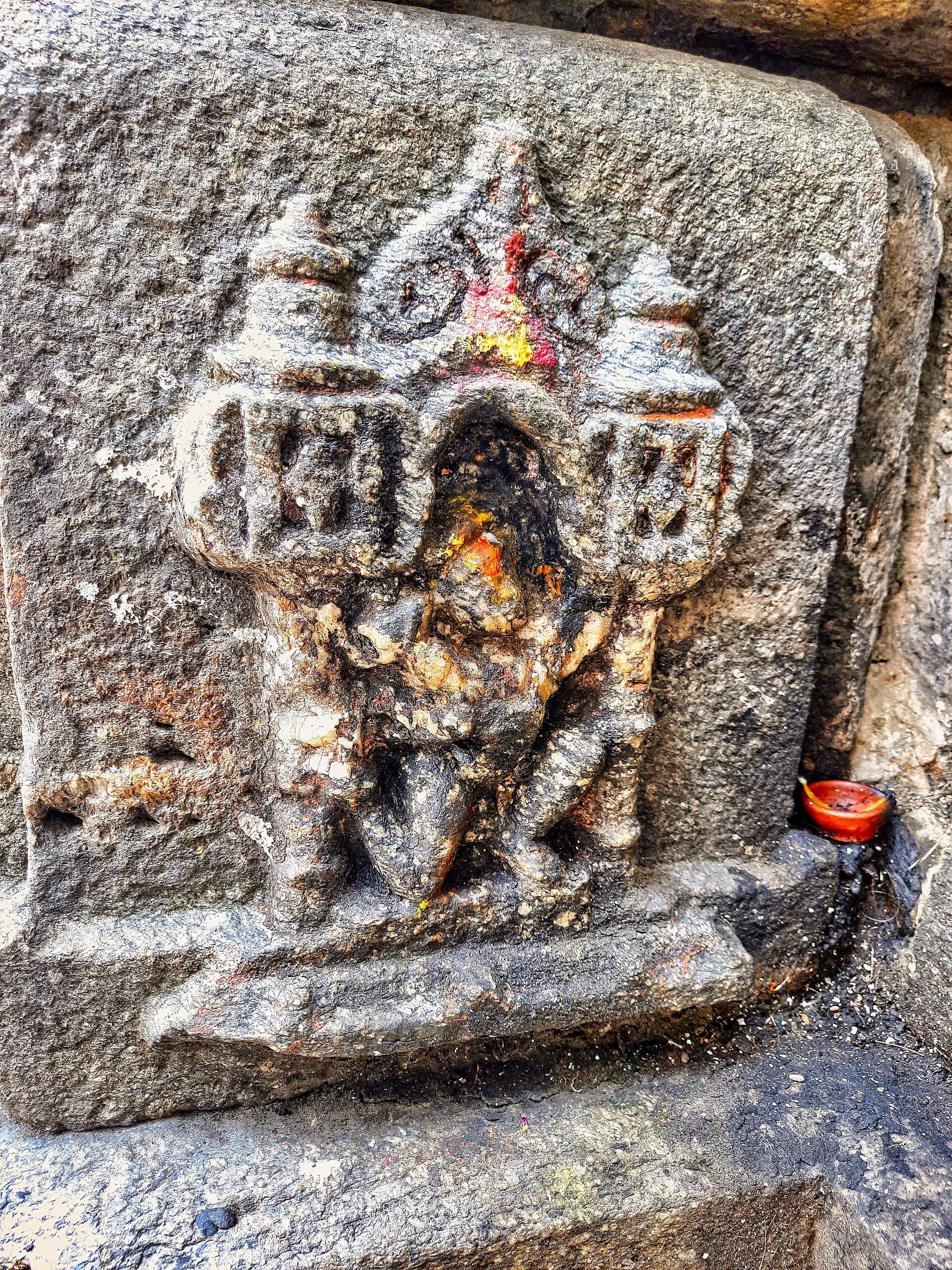

For a pilgrim, this is the remarkable part. You can stand in a warm winter sun, no crowds, no queue, and attend the same aarti that summer pilgrims jostle for at Kedarnath. The priests are the same hereditary Rawal families. The discipline is the same. Only the altitude is kinder.
Mukhba: the village where Ganga winters
Gangotri's winter seat is the tiny village of Mukhba, also spelt Mukhwa, near Harsil on the banks of the Bhagirathi. When the Gangotri temple closed this year on 10 November, the murti of Maa Ganga was brought down to Mukhba in the traditional ceremony and installed at the village's Mukhimath temple, where she is worshipped until spring.
Harsil valley is worth the journey on its own: apple orchards, deodar forests, and the river running clear and green below the snow peaks. In winter the valley is hushed. The village temple is small, the welcome personal, and the darshan unhurried. Devotees who have done both will tell you that meeting the Goddess in her winter village feels less like visiting a monument and more like being received in her home.
Kharsali: Yamuna's winter village
Yamunotri's winter seat is Kharsali, a small village of slate-roofed houses just across the river from Janki Chatti, at the foot of the climb to Yamunotri itself. When the temple closed on 11 November, the murti of Yamuna was carried down to the village's ancient temple, where she is worshipped through the cold months.
Kharsali is also known for its shrine of Shani, whom local tradition names as Yamuna's brother; the village temple that hosts her is often called the Shani Dev temple for this reason. The details of the local telling vary, as they do in every mountain valley, but the heart of it is simple: the daughter of the Sun winters among her own people.
Joshimath: the winter seat of Badrinath
Badrinath is the last of the four to close, this year on the evening of 16 November, and its winter seat is the Narsingh temple in Joshimath, the town on the Alaknanda that pilgrims pass on the road up to the dham. Narsingh, the man-lion, is the fourth avatar of Vishnu, and this ancient stone temple is where Badri Vishal is worshipped through the winter.
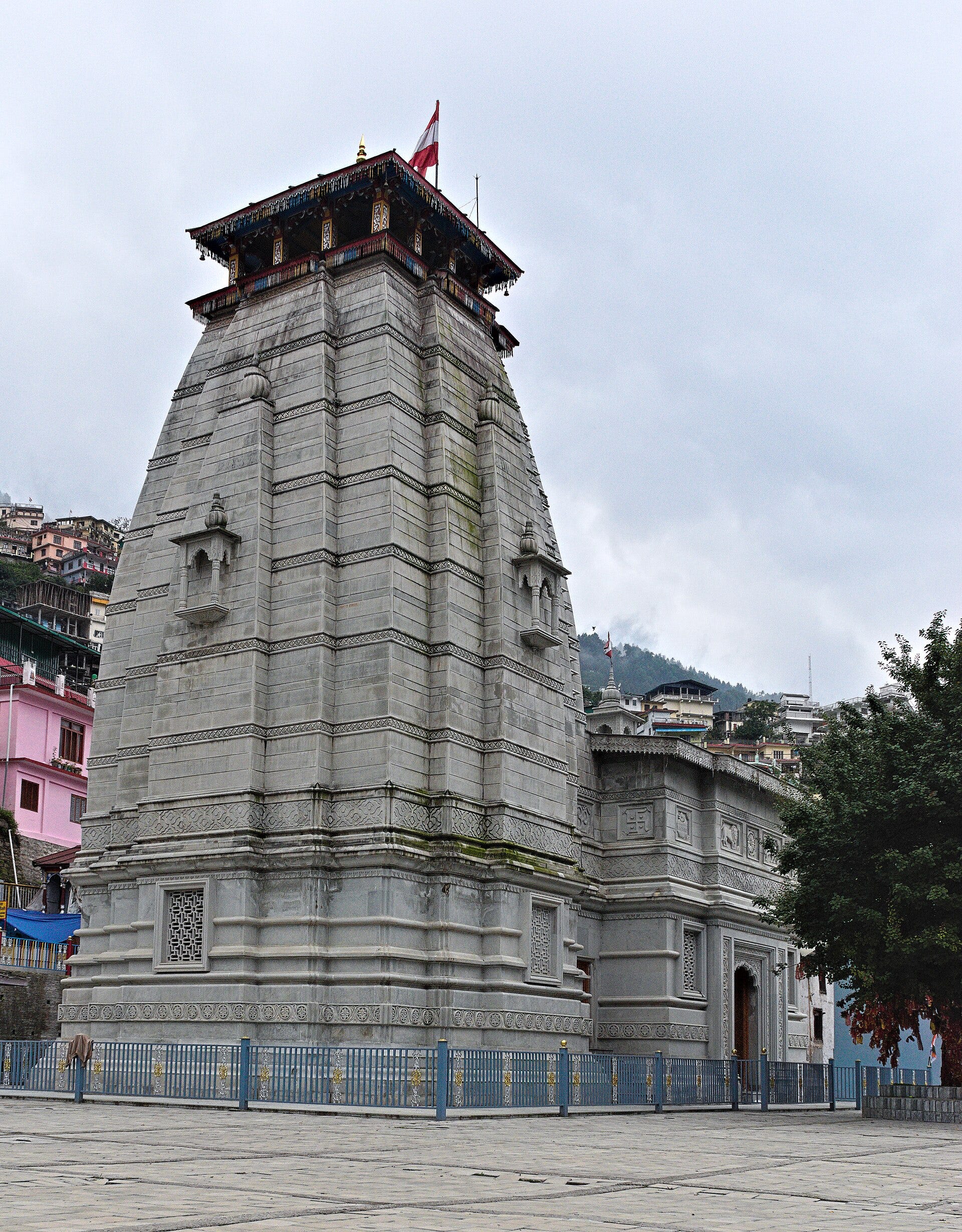

Local tradition watches one detail of the Narsingh murti with great seriousness: its right arm is said to be slowly thinning, and the old belief holds that when it falls, the way to Badrinath will close for good and the Lord will thereafter be worshipped at Bhavishya Badri, the Badrinath of the future, higher up the valley. Whether you read that as prophecy or as poetry, it tells you how deeply this temple is loved. Joshimath is also home to one of the four maths established by Adi Shankaracharya, which makes the town a fitting winter address for the deity of Badrinath.
Planning the winter yatra
The practical news is all good. The roads to Ukhimath, Mukhba, Kharsali and Joshimath stay open through a normal winter, because all four sit well below the snowbound shrines they serve. The bases are the usual gateways: Rishikesh and Dehradun, with Dehradun's Jolly Grant airport the convenient landing for those flying in. From there each winter seat is a day or less of mountain driving.
A comfortable circuit is three to five days: Joshimath with a night or two (and, if you like, a day at Auli's snow slopes next door), then down to Ukhimath, and across to Harsil for Mukhba, adding Kharsali if your dates allow. December to February is cold, with snow possible at any of these places, so carry real winter layers, check road and weather conditions before each day's drive, and start early, because hill driving after dark is never wise.
No registration or virtual queue is needed for the winter seats: darshan is simple and personal. Accommodation in winter is limited but sufficient in Joshimath and Harsil; book ahead on holiday weekends. For devotees abroad, the timing is a gift: the Christmas and New Year break lines up perfectly with the season, and this is the rare window when an NRI family can do a Himalayan yatra without the summer crowds, the monsoon risk, or the rush.
Questions first-timers ask
Is darshan at a winter seat "real" darshan? In the tradition's own understanding, yes: the deity lives in the murti, and the murti has moved. The same priests continue the same daily worship. Many mountain families do their year's darshan only at the winter seat.
What about the Panch Kedar in winter? The pattern is the same. Tungnath's kapat closed on 6 November this year, Madhyamaheshwar's on 16 November, and Madhyamaheshwar's murti winters at Ukhimath alongside Kedarnath's. Kalpeshwar, the lowest of the five in the Urgam valley, remains open all year.
Will there be snow? Possibly, and beautifully so, especially from late December. All four winter seats remain accessible in normal conditions, but snowfall can briefly delay a day's drive. Build a buffer day into your plan and you will be fine.
Is it suitable for children and elders? Far more than the summer yatra. There are no long treks involved: Ukhimath, Mukhba, Kharsali and Joshimath are all reached by road, and the walking is measured in minutes.
Can I combine the winter yatra with a family holiday? Easily. Joshimath adjoins Auli, one of India's best-known ski slopes, and Harsil and Ukhimath are scenic bases in themselves. Many families make this their year-end trip: snow for the children, darshan for the grandparents, and mountain quiet for everyone.
Do I need a guide or a package? Not necessarily. The circuit is driveable with a hired taxi from Rishikesh or Dehradun, and the darshan needs no booking. A local driver who knows the winter roads is worth more than any package.
What should I carry? Serious winter clothing: thermals, a down jacket, gloves, woollen socks and shoes with grip. Carry cash, since ATMs thin out in the high valleys, any regular medicines, and a power bank. And carry time: the mountains reward those who do not hurry.
A day at a winter seat
The rhythm at a winter seat is the rhythm of the dham itself, only gentler. The temple opens early for the morning abhishekam, when the deity is bathed and dressed for the day. Villagers drift in through the morning with offerings of ghee, grains and winter greens. The afternoon is quiet, and then comes the moment the whole day leans toward: the evening aarti, lamps circling before the deity as the cold settles on the valley and the bells carry far into the dark.
Go on an ordinary weekday and you may be one of a handful of devotees. The priest has time to talk. The darshan is not a transaction measured in seconds but a visit. Pilgrims who discover the winter seats once tend to plan their next winter around them.
Festivals at the winter seats
The winter calendar is not empty. The closing season itself begins with Annakut, the festival of the harvest offering, on which Gangotri's doors traditionally close after the mountain of food is offered and distributed. Through the cold months the winter seats observe their usual festival days, and Makar Sankranti in mid-January brings special worship as the sun turns north. By Vasant Panchami, the first whisper of spring, the valley is already looking toward the reopening, when the palanquins will climb back up and the doors of the four dhams will open to the world again.
The Char Dham do not close for winter. They come down to be among their people, in small temples where the aarti bell rings out over quiet valleys and there is no queue at all. At DharmikVibes, our vision is to enable Divine Experiences for every seeker, on every yatra, and the winter yatra is the Himalaya's best-kept secret: the same gods, the same worship, and the mountains almost to yourself.