


Yamuna Pushkaram is one of the most revered river festivals in Sanatana Dharma, celebrated once every twelve years when Jupiter (Brihaspati), the planet of wisdom and dharma, enters the zodiac sign Karka Rashi (Cancer). During this divine transit, a celestial entity known as Pushkara is believed to enter the sacred waters of the Yamuna for twelve days, purifying the river and blessing millions of devotees.
For Hindus, the festival is not merely a ritualistic bath - it is a spiritual pilgrimage, a time for ancestral offerings, devotional worship, self-purification, and reconnecting with Indian heritage and Vedic tradition. The flowing waters of Yamuna are worshipped as a living goddess, the compassionate sister of Yama (the God of Dharma), and the beloved river associated with Lord Krishna’s divine pastimes.
History and Mythological Significance
The story of Pushkaram traces back to ancient Puranic tradition. Pushkara is described as a celestial being who performed intense tapas (penance) to please Lord Shiva. As a boon, Shiva granted him the power to sanctify the twelve sacred rivers of India, one river every twelve years, based on the position of Jupiter.
The twelve rivers correspond to Jupiter’s twelve-year cycle through the zodiac. When Jupiter enters Cancer, the blessings of Pushkara flow into the Yamuna River, elevating its waters to the highest spiritual potency. These twelve days are considered divinely charged, capable of cleansing lifetimes of accumulated karmas.
Yamuna Devi occupies a central place in Indian mythology:
She is the daughter of Surya and sister of Yama.
Scriptures say, “One who bathes in Yamuna frees himself from the fear of death,” as Yama himself granted this boon.
She is intimately connected with Lord Krishna, who spent his childhood on the banks of Yamuna in Vrindavan and Mathura.
The river is mentioned in the Rig Veda, Atharva Veda, the Bhagavata Purana, and Mahabharata.
For these reasons, taking a holy dip in Yamuna during Pushkaram holds extraordinary religious merit.
Importance of Yamuna Pushkaram
The festival is cherished for its spiritual, cultural, and astrological significance. Devotees believe that participating in Yamuna Pushkaram grants blessings that are rarely obtainable through ordinary rituals.
Key Spiritual Benefits
Believed to cleanse the mind, body, and accumulated sins of past lives.
Purifies negative karmas and resolves long-pending obstacles in life.
Provides relief from Pitru Dosha, Naga Dosha, and other ancestral or planetary afflictions.
Grants spiritual merit equal to performing many pilgrimages.
Helps devotees overcome emotional burdens through surrender and prayer.
Ensures family wellbeing, peace, financial stability, and positive progress.
Yamuna Pushkaram 2026 Dates
The auspicious period is determined by the entry of Jupiter into Cancer. For the year 2026:
Pushkaram begins on 2 June 2026.
Pushkaram ends on 13 June 2026.
Total duration: 12 days.
These twelve days are considered the Aadi Pushkaram, which carry the highest spiritual potency. The concluding day is observed as Anthya Pushkaram, important for final offerings and rituals.
Auspicious Ritual Timings (General)
Early Morning Holy Bath (Mangala Snan): 4:00 AM to 7:00 AM
Pinda Pradan and Tarpanam: Morning hours, ideally before noon
Parayanam, Japa, Meditation: Daytime hours
Deepa Daan and Yamuna Aarti: Around sunset
Major Yamuna Pushkaram Pilgrimage Locations
During Pushkaram, devotees may visit any sacred location along the Yamuna River, from its Himalayan origin to the plains where it merges with the Ganga. Several towns and ghats are specially prepared for the influx of millions of visitors.
Important Pilgrimage Points Along the Yamuna
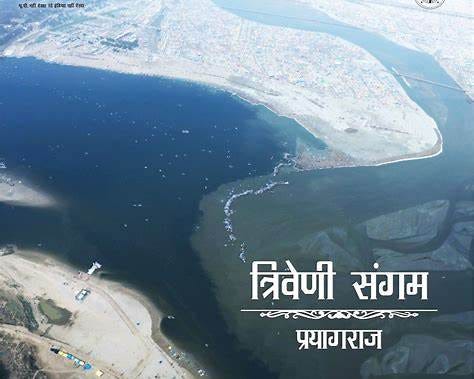
Prayagraj (Triveni Sangam)
Mathura
Vrindavan
Agra
Delhi & Noida
Yamunotri (source of the Yamuna)
Firozabad
Baghpat
Etawah
Hamirpur
Kalpi
Sonipat
Panipat
Auraiya
Yamuna Nagar
Each location has its own spiritual significance and dedicated ghats for ritual bathing.
Most Sacred Yamuna Pushkaram Sites to Visit
Prayagraj – Triveni Sangam
Considered the most powerful location for Pushkar Snan, where Yamuna meets Ganga and Saraswati. The ghats at Sangam are expanded every Pushkaram to accommodate pilgrims.
Mathura – The Divine City of Krishna
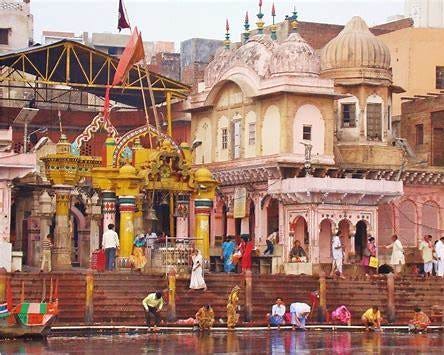
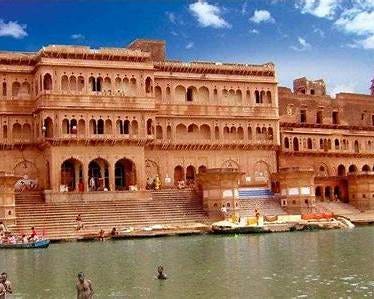
Vishram Ghat and Keshi Ghat are central bathing spots. Visiting Krishna temples and performing parikrama during Pushkaram is considered extremely auspicious.
Vrindavan – Land of Krishna’s Pastimes
Keshi Ghat is known for its enchanting Yamuna Aarti. Temples like Banke Bihari, ISKCON, and Prem Mandir draw millions of devotees.
Yamunotri – The Birthplace of River Yamuna
A pilgrimage to Yamunotri during Pushkaram is considered spiritually elevating. The trek from Janki Chatti is scenic and deeply devotional.
Delhi and NCR
Kalindi Kunj, Wazirabad, and Nigambodh Ghats are major bathing points for devotees from the capital region.
Agra
Kailash Ghat and Balkeshwar Ghat draw pilgrims who wish to combine Pushkaram with visits to the Taj Mahal and other historical temples.
Pujas, Rituals, and Spiritual Practices During Yamuna Pushkaram
Devotees perform a variety of sacred rituals during these twelve days. Each carries symbolic meaning and spiritual depth.
Important Rituals
Pushkara Snan: A mandatory ritual bath believed to purify past sins and karmic burdens.
Pinda Pradan: Offerings made to ancestors for peace and liberation of their souls.
Tarpanam: A water-based ritual to honor and satisfy forefathers.
Deepa Daan: Lighting lamps in the river at dusk, symbolizing devotion and removal of inner darkness.
Go Daan: Charity in the form of donating cows or equivalent offerings.
Annadanam: Feeding devotees, sadhus, and the needy; considered one of the highest acts of dharma.
Japa, Meditation, Parayanam: Chanting mantras such as Vishnu Sahasranama, Yamunastakam, and Krishna bhajans.
Temple Visits: Visiting Krishna temples, Yamuna temples, and ancient shrines along the river.
Doshas Believed to Be Alleviated During Pushkaram
Devotees participate in Pushkaram specifically for relief from various spiritual or astrological afflictions.
Pitru Dosha: Caused by unsatisfied ancestors or improper ancestral rites.
Naga Dosha: Related to issues in marriage, progeny, or repeated obstacles.
Kula Dosha: Family-level karmic burdens affecting generations.
Graha Doshas: Unfavorable planetary influences, especially linked to Jupiter.
Paapa Karma: Accumulated sins or negative deeds from previous births.
Performing rituals at Yamuna during Pushkaram is believed to provide significant relief.
How Devotees Can Travel for Yamuna Pushkaram
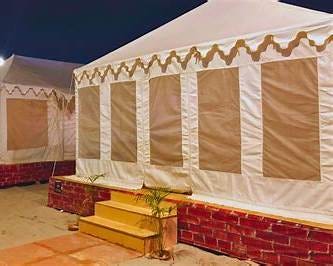
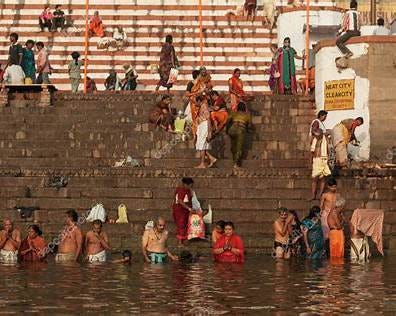
Pilgrims from across India and abroad visit Yamuna Pushkaram. The government and local administrations make special arrangements for transportation, accommodation, sanitation, and crowd management.
Travel to Key Locations
Prayagraj
Reachable by air, rail, and road.
Special buses and trains operate during the festival.
Mathura & Vrindavan
Well-connected by road from Delhi and Agra.
Mathura Junction is the nearest railway hub.
Yamunotri
Devotees travel to Dehradun or Rishikesh, then proceed to Janki Chatti by road.
A short trek leads to Yamunotri Temple.
Agra
Accessible by expressways from Delhi.
Major railway junction with wide connectivity.
Delhi/NCR
Pilgrims can visit local ghats without long-distance travel.
Essential Guidelines for Pilgrims
What to Carry
Simple cotton clothing suitable for bathing.
Towels, spare sets of clothes, and footwear appropriate for wet ghats.
Water bottle, medicines, first-aid kit.
Puja materials for rituals.
Identification documents.
Recommended Practices
Take an early morning dip before crowds build.
Use designated ghats for safety.
Participate in Annadanam and charity activities.
Respect local customs and maintain cleanliness.
Avoid
Bathing in deep or unsafe waters.
Carrying valuables or jewelry.
Pushing or rushing in crowded spaces.
Disposing plastic or waste in the river.
Suggested Yamuna Pushkaram Yatra (Sample 3-Day Plan)
Day 1
Take Pushkara Snan at sunrise.
Perform Pinda Pradan and Tarpanam.
Visit nearby temples.
In the evening, attend Yamuna Aarti.
Day 2
Visit Mathura and Vrindavan for Krishna-related temples.
Perform parikrama at holy sites.
Engage in bhajan, kirtan, and scripture reading.
Day 3
Spend time in meditation, chanting, and personal worship.
Offer Deepa Daan during sunset.
Carry home Yamuna Theertham (holy water) for blessings.
Yamuna Pushkaram is much more than a religious event - it is a rare spiritual opportunity that arrives only once every twelve years. It invites devotees to immerse themselves in the sacred waters of Yamuna, release burdens of the past, honor their ancestors, and reconnect with the divine through rituals, devotion, and pilgrimage.
Participating in Yamuna Pushkaram restores inner harmony, brings ancestral blessings, and strengthens one’s spiritual path. The river that has witnessed the pastimes of Krishna and the evolution of civilizations continues to bless millions with peace, prosperity, and liberation.


